Syrian journalist killed in city of Hama
New York, September 21, 2012–Syrian security forces launched an assault Wednesday on the home of a cameraman who had recorded hundreds of videos on the country’s conflict, burning the house and killing the journalist and three of his friends, local activists told international news outlets. The Committee to Protect Journalists condemns the brutal attack and…
Lebanon must free a journalist detained without charge
New York, September 14, 2012–Authorities must immediately release journalist Rami Aysha who has been detained without charge and abused since being seized more than two weeks ago while investigating alleged arms smuggling in the southern suburbs of Beirut, the Committee to Protect Journalists said today.
Critical Bahraini journalist detained for four months
New York, September 13, 2012–The Committee to Protect Journalists is concerned about the ongoing imprisonment of Ahmed Radhi, a freelance journalist who was first detained four months ago after making critical comments about Bahraini-Saudi relations. Radhi now faces terrorism and other anti-state charges which he says were lodged after he was abused and forced into…
Iran persists in its crackdown against journalists
New York, September 12, 2012–Continuing their three-year-long clampdown on journalists covering human rights, minority groups, and political reform, Iranian authorities have summoned two journalists to begin prison terms and are bringing two others to trial.
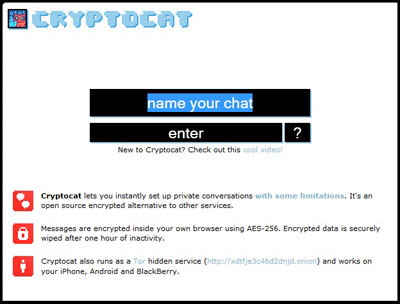
In Cryptocat, lessons for technologists and journalists
Alhamdulillah! Finally, a technologist designed a security tool that everyone could use. A Lebanese-born, Montreal-based computer scientist, college student, and activist named Nadim Kobeissi had developed a cryptography tool, Cryptocat, for the Internet that seemed as easy to use as Facebook Chat but was presumably far more secure.
Bahrain should scrap life sentence of blogger Alsingace
New York, September 6, 2012–Bahraini authorities should toss out the unjust conviction and life sentence handed to an online journalist who was imprisoned for exercising his right to free expression during the country’s 2011 popular uprising, the Committee to Protect Journalists said today.
In Jordan, proposed amendments to censor Internet
New York, August 31, 2012–Proposed legislation in Jordan would impose significant new restrictions on online news content and reader comments while giving authorities new powers to block domestic and international websites. The Committee to Protect Journalists calls on the lower house of parliament to reject the bill when it takes up debate on Sunday.
Dear CPJ: Some malware from your ‘friend’
We talk a lot about hacking attacks against individual journalists here, but what typifies an attempt to access a reporter’s computer? Joel Simon, CPJ’s executive director, received an email last week that reflects some characteristics of a malware attack against a journalist or activist. There was nothing particularly notable about the targeting. (Like many reporters,…