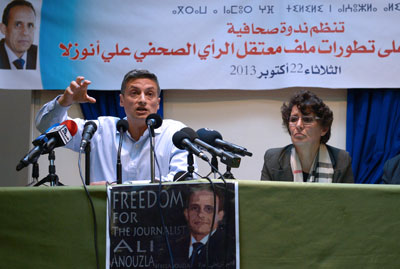
Morocco accuses Spain’s El País of inciting terrorism
Morocco’s inclination for wielding terrorism accusations against journalists and news outlets who report on extremist groups has extended to Spain, where authorities are investigating El País newspaper and one of its journalists at the behest of the Moroccan government.
News from the Committee to Protect Journalists, March 2014
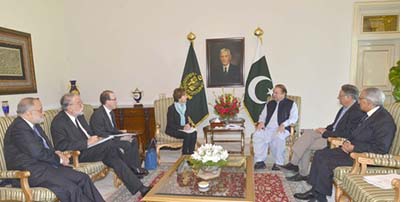
Pakistani PM pledges justice, journalist security to CPJ A CPJ delegation traveled to Pakistan this month and met with high-level Pakistani officials including Prime Minister Nawaz Sharif, who pledged to continue to expand Pakistan’s media freedoms and address the insecurity plaguing the country’s journalists.
Journalist shot dead covering clashes in Egypt
New York, March 28, 2014–An Egyptian journalist was shot dead in Cairo today while covering deadly clashes, according to news reports. Mayada Ashraf was a reporter for the daily Al-Dustour. She had covered previous protests for the paper, the reports said.

Freelance Bahraini photographer given 10-year prison term
New York, March 26, 2014–Today’s conviction of freelance photographer Ahmed Humaidan is an attempt by Bahraini authorities to censor independent and dissident voices in the lead-up to the Formula One race in April, the Committee to Protect Journalists said today. Humaidan, who has been imprisoned since December 2012, was sentenced to 10 years in jail,…
Egypt hands jail term to journalist, holds others in custody
New York, March 17, 2014–The Committee to Protect Journalists condemns the one-year prison sentence given today to Samah Ibrahim, a reporter for the Muslim Brotherhood’s Freedom and Justice newspaper. Ibrahim is one of at least 10 journalists imprisoned in the country, according to news reports and CPJ research.
Syria, the most dangerous place for journalists
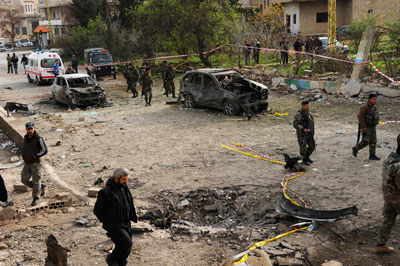
Three-year anniversary of the Syrian uprising New York, March 13, 2014–Syria ranks as the most dangerous country in the world for journalists, according to the Committee to Protect Journalists. Since the start of the bloody uprising against President Bashar al-Assad, at least 65 journalists have been killed, more than 80 have been abducted, and approximately…
Rouhani has yet to deliver on press reforms in Iran
CPJ joined 26 other human rights and civil society groups on Wednesday in an open letter calling on the member states of the U.N. Human Rights Council to renew the mandate of Ahmed Shaheed, the special rapporteur on the situation of human rights in Iran. The public letter also urged the members to participate in…