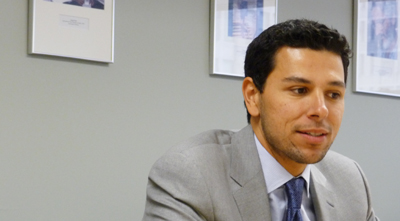
Q&A: Ayman Mohyeldin, Al-Jazeera English correspondent
For the millions of non-Arabic speakers around the world who followed Egypt’s revolution live one journalist stood out–Ayman Mohyeldin of Al-Jazeera English. Mohyeldin, 32, used his knowledge of the region and of the West to make sense of the events unfolding in Cairo’s Tahrir Square for an international audience. He also witnessed the unprecedented wave…
At SXSW Interactive, theory and reality converge
I’ve just returned from a hectic week at SXSW Interactive, the annual gathering of digital technologists and creators in Austin, Texas. Conferences like this are often moments of isolation from the rest of the world, where attendees become consumed with the trivia of the event itself. But because many of those attending SXSWi are prolific…
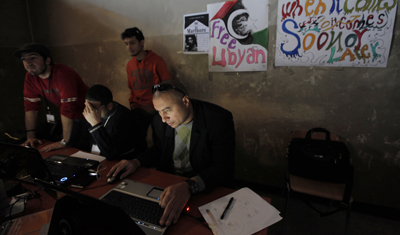
CPJ condemns attacks on press in Libya, Yemen, and Egypt
New York, March 9, 2011–The Committee to Protect Journalists is alarmed by an attack on the Ouzo Hotel in the rebel-held city of Benghazi in eastern Libya on Tuesday. Unknown assailants threw an explosive device into the hotel, which has been the primary residence for journalists in the city, in the early morning hours, according…
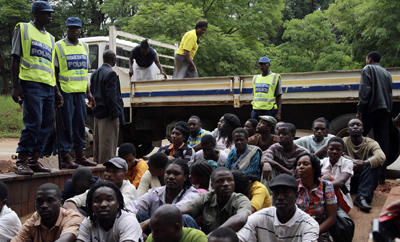
Zimbabwe charges 45 with treason for viewing Egypt footage
The right to receive and impart information is a fundamental human right enshrined in the United Nations’ Universal Declaration of Human Rights, but in Zimbabwe, watching news of North African and Middle East protests apparently amounts to treason.
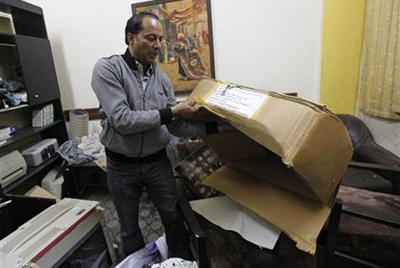
Libya: foreign reporters ‘outlaws’; Mideast attacks continue
New York, February 23, 2011–The Committee to Protect Journalists is concerned about the ongoing attack on journalists and bloggers in the Middle East. Today the Libyan deputy foreign minister warned foreign journalists crossing the eastern border that they will be treated as “outlaws,” according to news reports. In Iraq, gunmen raided the office of a…
Libya’s disordered Internet
Craig Labowitz at Arbor has been sifting through the evidence of how countries in the Middle East have been blocking and throttling the Internet in the last week. His analysis indicates that while both Bahrain and Yemen had periods of slowed or impaired access, only Libya seems to have taken the drastic step of shutting off the…
Documenting sexual violence against journalists
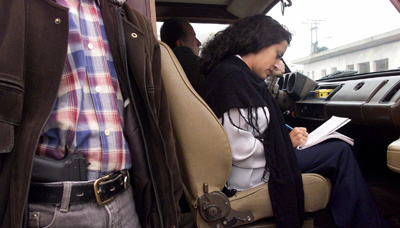
The news of the sexual assault against CPJ board member and CBS correspondent Lara Logan hit us hard on Tuesday. At CPJ, we work daily to advocate on behalf of journalists under attack in all kinds of horrific situations around the world. Because of Lara’s untiring work with our Journalist Assistance program, she’s well known…
CPJ alarmed by attack on Lara Logan of CBS News
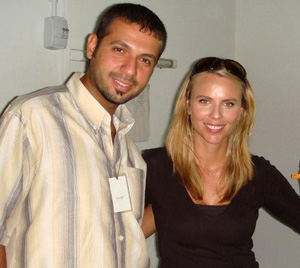
New York, February 15, 2011–The Committee to Protect Journalists is alarmed by news that CBS correspondent and CPJ board member Lara Logan was sexually assaulted and beaten in Cairo on Friday while covering rallies marking the resignation of Egyptian leader Hosni Mubarak. “We have seen Lara’s compassion at work while helping journalists who have faced…
Attacks on the Press 2010: Middle East and North Africa Analysis
Suppression Under the Cover of National Security By Mohamed Abdel Dayem Relying on an extensive network of sources in the military, government, and Islamist groups, Yemeni freelance journalist Abdulelah Shaea had become a frequent and pointed critic of the administration’s counterterrorism efforts. By July, President Ali Abdullah Saleh’s government had enough, dispatching security agents to…
Attacks on the Press 2010: Egypt
Top Developments • Government blocks satellite TV, news texting ahead of parliamentary vote. • Political maneuvering seen as critical editor sacked, another jailed. Key Statistic 12: Satellite television stations taken off the air one month before the election. Back in 2005, reporters exposed widespread ballot fraud and voter intimidation during the country’s first multi-party presidential…