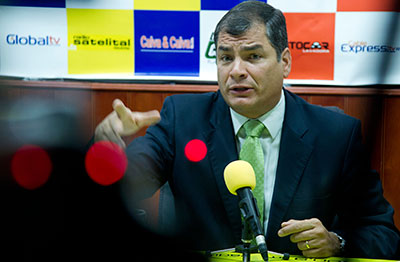
In Correa’s Ecuador, a bulletin on breakfast is routine
On September 11, 2012, the Ecuadoran government interrupted a morning newscast on the Teleamazonas TV station for an official bulletin. What could be so urgent? A coup d’etat? An earthquake? A cholera outbreak? It turned out the government sought to clarify what President Rafael Correa had for breakfast.

Eritrea: Ali Abdu pleads ignorance of Dawit Isaac’s fate
On Wednesday, the Swedish newspaper Expressen published what it described as an exclusive interview with Ali Abdu–Eritrea’s long-time information minister, government spokesman, and censor-in-chief–who vanished from public view in November. The piece confirmed that Ali had gone into exile, but it shed no light on the whereabouts and well-being of more than two dozen imprisoned…
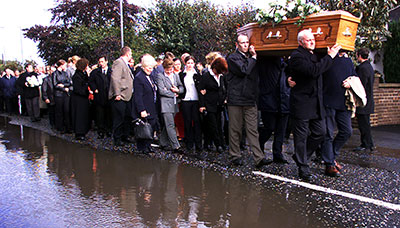
Setback in O’Hagan murder must not mean case closed
More than 11 years have passed since investigative journalist Martin O’Hagan was murdered near his home in Lurgan, Northern Ireland, and the case has not been solved. Last week Northern Ireland’s public prosecutor announced a major setback to the case that has colleagues worried it never will be.
An information void in Mali as journalists are obstructed
Three weeks after France’s military intervention in Mali, the war remains largely “without images and without facts,” as described by Jean-Paul Mari, special envoy for the newsweekly Le Nouvel Observateur. Although journalists have been allowed to follow French and Malian forces into the towns that have been recovered from armed Islamist groups, the real battlefields…
NYT reports Chinese hacking: one battle in large war
The New York Times reported Thursday that, after four months, it has expelled what it believes to be China-based hackers from its computer system and has, so far, kept them from breaking back in. The paper said a group had been “infiltrating its computer systems and getting passwords for its reporters and other employees.” The…

Conflating critics with terrorists in Turkey
The government of Prime Minister Recep Tayyip Erdoğan is quick to brand critics as “terrorists,” and that’s one of the main reasons that Turkey was the world’s worst jailer of the press when CPJ conducted its recent census of imprisoned journalists. This week, the prime minister and two pro-government newspapers applied the label once again…
Tajikistan blames censorship on complaints by citizens
In the last year, CPJ has documented a disturbing trend of attacks against the press in Tajikistan: the frequent blocking orders that the State Communications Agency has issued to local Internet service providers. Delivered in most instances via text message, the orders urge the ISPs to block nationwide access to local and international news websites…
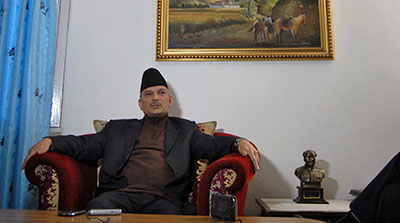
Nepal takes one step toward justice for Dekendra Thapa
Lau Tzu once said: A journey of a thousand miles begins with a single step. In Nepal, getting to that first step has been a tumultuous process. Tomorrow, a court in the western district of Dailekh is expected to formally begin hearings in the 2004 murder case of journalist Dekendra Raj Thapa.
Journalist Assistance helps record number in 2012
An increase in press freedom violations last year created a surge of need among journalists, driving a record number of assistance cases for CPJ’s Journalist Assistance Program in 2012. More than three-quarters of the 195 journalists who received support during the year came from East Africa and the Middle East and North Africa, reflecting the…