Terror charges for Al-Jazeera in Egypt prompt outcry
Today, the Committee to Protect Journalists joined other leading international media freedom and human rights organizations, including Article 19, Index on Censorship, and Reporters Without Borders, in calling on the European Union and United States to demand Egyptian authorities drop charges against Al-Jazeera journalists and release those under arrest.
Obama must chart clearer course on surveillance policy
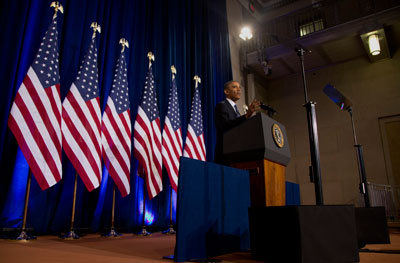
Tonight President Obama has another opportunity to redirect the country’s out-of-control surveillance programs during his annual State of the Union address. He should seize it. The president’s much-anticipated January 17 speech about U.S. surveillance policy, which came in response to outrage over National Security Agency spying, left much unsaid–and many of the commitments he did…
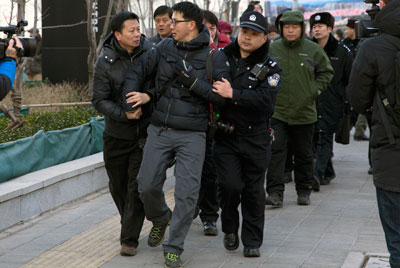
Tougher tactics emerge in China’s media crackdown
Late in 2013, Time’s Hannah Beech posted a great blog on the magazine’s website around the time that about 24 foreign journalists were worried that the visas allowing them to work in China might not be approved: “Foreign Correspondents in China Do Not Censor Themselves to Get Visas,” she told readers. She’s right, of course,…
South Sudanese towns suffer information vacuum
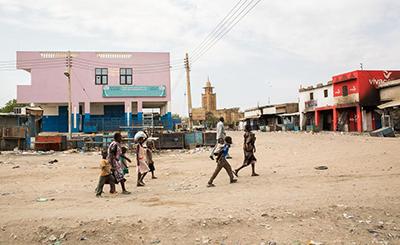
“This is the worst situation I ever reported since I started reporting in 2007,” BBC Media Action producer Manyang David Mayar told me after he left the restive town of Bor, Jonglei State in South Sudan. Forced to walk long distances carrying his suitcase on his head to escape the fighting in Bor, Mayar drank…
Put Syrian press freedom on Geneva agenda
Today the Committee to Protect Journalists joins 15 other press freedom and media development organizations calling on the participants of the Syrian peace conference in Geneva to include freedom of the press and expression as “fundamental cornerstones in any viable political settlement.”
Correa steps up fight; hacking alleged on both sides
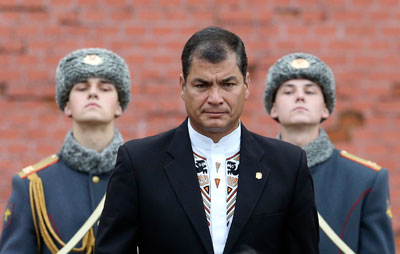
Seven months after Ecuadoran President Rafael Correa flirted with the idea of offering asylum to former National Security Agency contractor Edward Snowden, intercepted communications and leaked emails are again making headlines in the Andean country. This time, the story is not about international surveillance but a window onto the latest front in the ever-escalating war…