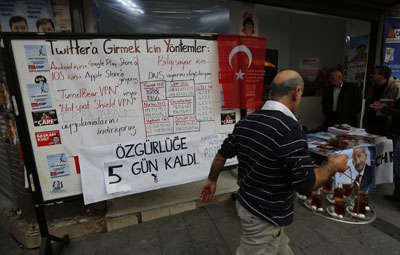
When the rule of law isn’t: Turkey at the crossroads
In less than a week, Turkish voters will cast their ballots in local elections widely seen as a test of support for embattled Prime Minister Recep Tayyip Erdoğan, who has faced growing questions about official corruption since a high-level probe first became public in December. Although many observers believe Erdoğan will survive the current political…
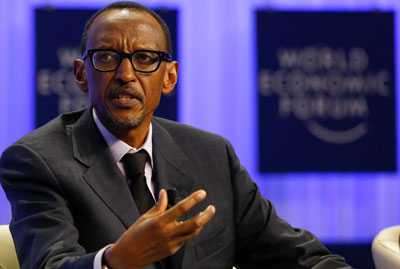
Twitter war shines light on how Rwanda intimidates press
“@RFI speak straight up English, frenchie!! U crying? U started not to make sense,” was one taunting tweet from a certain prolific Twitter account belonging to “Richard Goldston.” The account, since deleted, belonging to a self-proclaimed “anti-imperialist,” repeatedly antagonized Radio France Internationale journalist Sonia Rolley for her critical coverage of the deaths of Rwandan government…
Mission Journal: Hope in Pakistan
For the last decade, Pakistan has been one of the world’s most dangerous countries for the media. At least 46 journalists have been killed, 24 of them murdered for the “crime” of covering the intelligence services, the Taliban, separatists in Baluchistan, or the criminal underworld. The result is a legacy of self-censorship and fear among…
Hello, I’m Robert Capa, may I take a picture?
How would Robert Capa and Joe Pulitzer have reacted to the law that came into force on March 15 in their country of birth, Hungary? Let us guess that they would have been stunned. A provision in the new Hungarian civil code forbids taking pictures without the permission of everyone in the photograph.
FCCC survey finds China abuses press card, visa process
The Foreign Correspondents’ Club of China (Beijing) published the findings of its annual visa survey last week. The findings are grim but come as no surprise following the Chinese government’s showdown late last year with members of the foreign press.
Burma clampdown gathers pace as legislation passed
In a clear step backwards for press freedom in Burma, new legislation will give the government censorship powers and the sole authority to issue and revoke news publication licenses. While the legislation enshrines into law broad press freedom guarantees, specific provisions will give the Ministry of Information ultimate power over what news is permissible for…
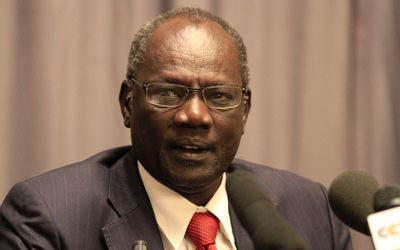
South Sudan government warning: Don’t interview rebels
Last week, South Sudanese Information Minister Michael Makuei warned reporters in the capital, Juba, not to interview the opposition or face possible arrest or expulsion from the country. According to the minister, a lawyer by profession, broadcast interviews with rebels by local media are considered “hostile propaganda” and “in conflict with the law.”
Rouhani has yet to deliver on press reforms in Iran
CPJ joined 26 other human rights and civil society groups on Wednesday in an open letter calling on the member states of the U.N. Human Rights Council to renew the mandate of Ahmed Shaheed, the special rapporteur on the situation of human rights in Iran. The public letter also urged the members to participate in…