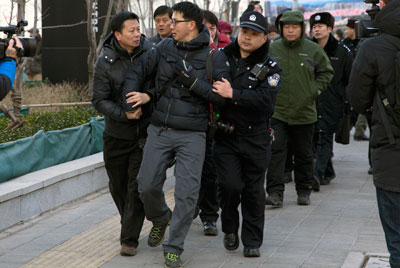
Press freedom in Bahrain three years after #Feb14
Three years ago, hundreds of thousands of Bahrainis descended to the streets to demand change. A harsh government crackdown and the turn to violence by some protesters have since dampened the hope lit on February 14, 2011. In this context, we asked Bahrainis and Bahrain observers on Twitter how they think the status of press…
Cameron must consider UK press freedom’s global example
Each year, members of the Global Coordinating Committee of Press Freedom Organizations gather to discuss threats to journalists around the world and plan action. Usually, we focus on frontline countries where journalists face life and death issues. But as our annual meeting took place in London this year, we couldn’t help but notice the emerging…
Pressure by CPJ, other groups keeps Karimov out of Prague
The Committee to Protect Journalists this week joined a campaign spearheaded by Human Rights Watch and Uzbek human rights defenders urging Czech President Milos Zeman to cancel Uzbek dictator Islam Karimov’s visit to Prague. Zeman had invited Karimov to visit this month despite the Central Asian leader’s notorious intolerance to freedom of the press and…
Media surveillance and ‘the day we fight back’
Today, a broad coalition of technology companies, human rights organizations, political groups, and others will take to the Web and to the streets to protest mass surveillance. The mobilization, known as “The Day We Fight Back,” honors activist and technologist Aaron Swartz, who passed away just over a year ago. Throughout the day, the campaign…
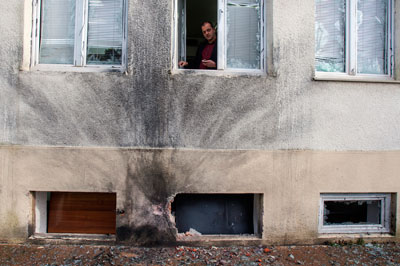
EU should scrutinize Montenegro–Wild West for the press
Nestled between Croatia’s Dalmatian coast and Albania, the small state of Montenegro (14,000 square kilometers, 630,000 inhabitants) evokes images of sandy beaches, pristine lakes, and gorgeous mountains. The wild beauty advertised by its savvy tourist board, however, looks more like the Wild West for the Montenegrin press. In the past weeks a number of violent…
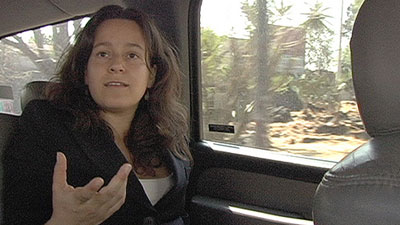
Mexican documentary ‘Presumed Guilty’ finds justice
In the three years since its theatrical premiere, the Mexican documentary “Presumed Guilty” (“Presunto Culpable”) has earned enough headlines to make any film publicist envious. The movie has been banned, disparaged, acclaimed, and the subject of multiple lawsuits. Along the way, it has broken every documentary box office record in Mexico. Now a series of…
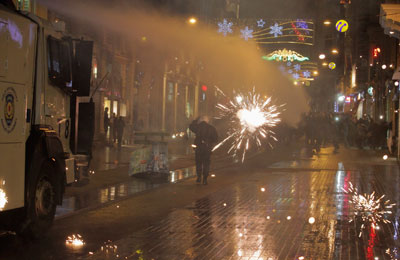
Turkish Internet bill would deepen press freedom crisis
The Turkish parliament is on the verge of voting on radical censorship measures that, if approved, would allow the government to block individual URLs without prior judicial review, mandate Internet data retention for periods of up to two years, and consolidate Internet Service Providers (ISPs) into a single association, among other changes. If passed, the…
Terror charges for Al-Jazeera in Egypt prompt outcry
Today, the Committee to Protect Journalists joined other leading international media freedom and human rights organizations, including Article 19, Index on Censorship, and Reporters Without Borders, in calling on the European Union and United States to demand Egyptian authorities drop charges against Al-Jazeera journalists and release those under arrest.