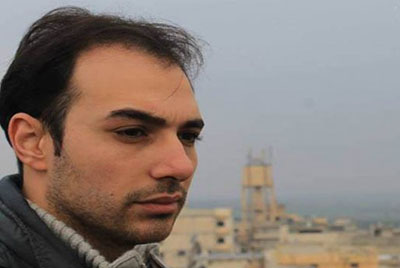
Attacks on Orient News illustrate Syria’s many threats
It is increasingly difficult to document violations against the press in Syria, let alone hold those responsible to account. It has always been hard to verify facts within the country. But now, the sheer number of violations and the expanding list of violators have become admittedly overwhelming.
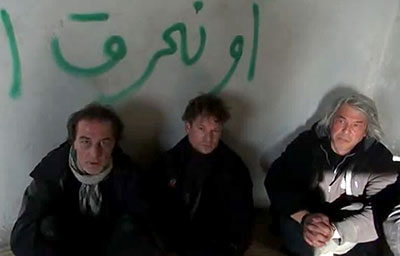
Do news blackouts help journalists held captive?
At any given time over the past two years, as wars raged in Libya and then Syria, and as other conflicts ground on in South Asia and sub-Saharan Africa, a number of journalists have been held captive by a diverse array of forces, from militants and rebels to criminals and paramilitaries. And at any given…

In Syria, the quandary of freelance news coverage
Forces on all sides of the Syrian conflict that have tried to censor news coverage through violence have won a round. By sharply increasing the risk for reporters covering the civil war they have forced news organizations to think twice before sending their staff to the battlefields. In a worrying development they even have led…

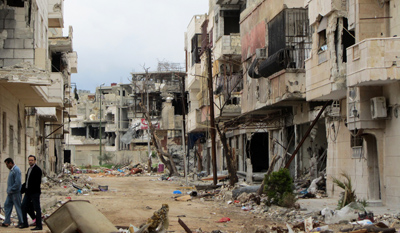
Preparation helps freelancers survive, thrive
When the story is so important but the risks are so high, journalists must keep safety at the forefront of their thinking. That’s especially true for freelancers who often do not have the support of a large news organization. Preparation, peer networking, and smart planning can help improve the odds of not only surviving hostile…
Audio slideshow: A look at missing journalist James Foley
James Foley, a U.S. freelance journalist, was abducted in Syria in November. His colleague and friend Nicole Tung, a freelance photographer, spoke to CPJ about her experience working and traveling with Foley. A petition appealing for Foley’s release can be signed here.

Combat deaths at a high, risks shift for journalists
Murder is the leading cause of work-related deaths among journalists worldwide–and this year was no exception. But the death toll in 2012 continued a recent shift in the nature of journalist fatalities worldwide. More journalists were killed in combat situations in 2012 than in any year since 1992, when CPJ began keeping detailed records.
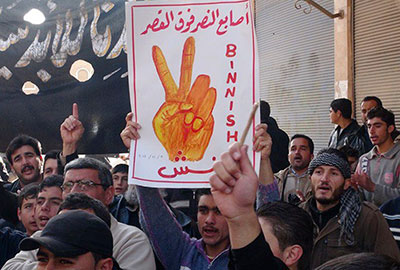
Syria’s desperate move to cut links won’t succeed
The Syrian Internet, like the country, appears to have been collapsing into a patchwork of unconnected systems for some time. I spent time talking to Syrians tech activists this week in Tunisia before Thursday’s shutdown, and their reports from the front painted a picture of two different networks.

Will UN plan address impunity, security for journalists?
Here are the facts:A journalist is killed in the line of duty somewhere around the world once every eight days.Nearly three out of four are targeted for murder. The rest are killed in the crossfire of combat, or on dangerous assignments such as street protests.Local journalists constitute the large majority of victims in all groups.The…