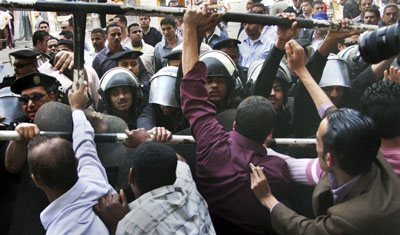
In Egypt, a deplorable press freedom climate
Judging by what’s transpired in recent weeks, press freedom in Egypt is in a deplorable state. To hear that Egyptian police abused and illegally detained peaceful protestors who took to the streets on April 6 is par for the course. To read that police and plainclothes thugs also beat and detained journalists, confiscating and destroying…
FOIA needs new muscle behind it, not just promises
These are busy days for Freedom of Information. On April 5, the watchdog Web site that knows no borders, WikiLeaks, posted a classified U.S. military video showing U.S. forces firing on Iraqi civilians, killing many, including two Reuters journalists, as well as wounding children. Two days later, the Pentagon posted a redacted U.S. military assessment of the same incident concluding that U.S. troops fired “in accordance…

Technicalities: 10 Questions on WikiLeaks
Monday’s release of graphic video footage of an attack by the U.S. military on two Reuters journalists vividly depicted the dangers involved in covering a battlefield. It also thrust into the spotlight WikiLeaks, the enigmatic Web site responsible for obtaining, decoding, and publicizing the footage. Here’s 10 questions answered on WikiLeaks, including how it works, its goals, and some…

A distorted picture from Iraq
The Iraqi government is keeping photographers away from scenes of suicide attacks, according to a piece published today by Stephen Farrell on The New York Times’ “At War” blog. CPJ has objected to government regulations promulgated in May 2007 barring photographers from the scene of such bombings for an hour after they take place.
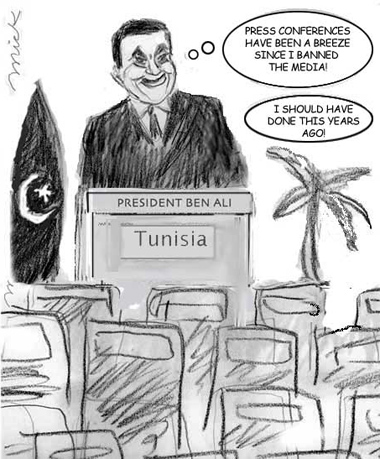
A perfect press conference in Tunisia
The government of President Zine El Abidine Ben Ali has made it clear there is little room for a critical press in Tunisia. Taking a cue from the government’s recent anti-press actions, CPJ cartoonist Mick Stern imagines the president’s “ideal” press conference. See more Mick Stern cartoons.
Tunisian airport officials confiscate CPJ publications
On Saturday, Tunis airport customs officials confiscated two copies of CPJ’s annual report, Attacks on the Press, as well as five copies of the Arabic-language translation of the Middle East and North Africa section of the book from Tunisian rights lawyer Mohamed Abbou and journalist Lotfi Hidouri on their return from Morocco, the two men told CPJ.
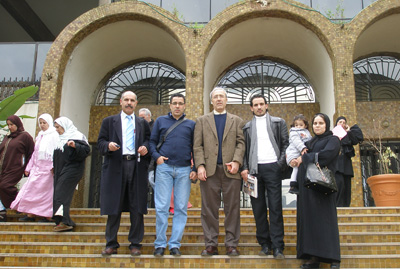
CPJ trip to Morocco reveals gap between rhetoric and reality
Two weeks ago, Mohamed Abdel Dayem, CPJ’s Middle East and North Africa Program Coordinator, and I were in Morocco to hold meetings with government officials as well as journalists. In some ways the trip was a success, but in other ways it left much to be desired from a country that claims to be “at the forefront of…
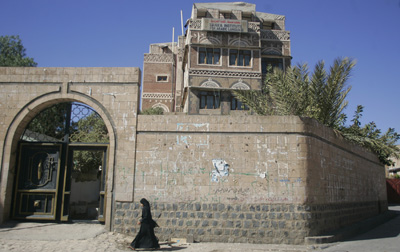
Foreign journalists have privileges locals don’t in Yemen
It is possible that so-called “Christmas Day bomber” Umar Farouk Abdulmutallab came to Yemen for Al-Qaeda terrorist training because it was out of the limelight. Until now, international media has sent in journalists intermittently to cover stories on Somali refugees or the Houthi rebellion in the North, but few foreign journalists are based here and the majority of coverage had come from local…

CPJ launches yearly findings globally, and is heard
On February 16, CPJ held an ambitious international launch of our annual report Attacks on the Press. We coordinated events in six cities on four continents in order to expand the reach of our international headlines while also focusing on specific issues in each region. So how did we do?