Video: Free imprisoned Iranian journalists
In late January, Iranian authorities waged the largest crackdown on the press since 2009, detaining a wave of journalists and issuing arrest warrants for numerous others. The Ministry of Intelligence accused the journalists of conspiring with foreign media to repeat the alleged “sedition” of 2009, referring to electoral fraud exposed by the media and the…
Journalist Assistance helps record number in 2012
An increase in press freedom violations last year created a surge of need among journalists, driving a record number of assistance cases for CPJ’s Journalist Assistance Program in 2012. More than three-quarters of the 195 journalists who received support during the year came from East Africa and the Middle East and North Africa, reflecting the…


Will Israel respond to query on targeting Gaza journalists?
On December 2, CPJ sent a letter to Israeli Prime Minister Benjamin Netanyahu requesting an explanation for airstrikes on media facilities during the November 2012 military action in Gaza. The strikes damaged two media buildings and killed and injured a number of journalists. Israeli officials said the military targeted terrorist infrastructure, but provided no explanation…
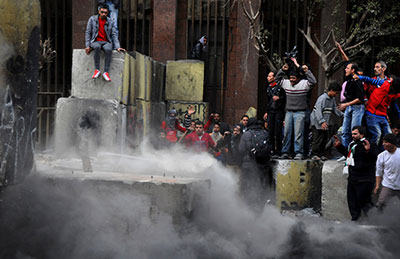
Two years on, Mubarak’s tactics still haunt Egypt media
On the second anniversary of Egypt’s January 25 revolution, Hosni Mubarak’s footprints are still present in many areas of the public sphere–and media are no exception. President Mohamed Morsi needs to cease using Mubarak-era tactics of silencing his critics with criminal charges such as defamation.
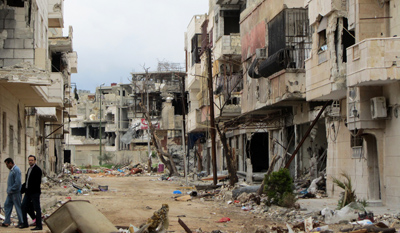
Preparation helps freelancers survive, thrive
When the story is so important but the risks are so high, journalists must keep safety at the forefront of their thinking. That’s especially true for freelancers who often do not have the support of a large news organization. Preparation, peer networking, and smart planning can help improve the odds of not only surviving hostile…
Audio slideshow: A look at missing journalist James Foley
James Foley, a U.S. freelance journalist, was abducted in Syria in November. His colleague and friend Nicole Tung, a freelance photographer, spoke to CPJ about her experience working and traveling with Foley. A petition appealing for Foley’s release can be signed here.

Combat deaths at a high, risks shift for journalists
Murder is the leading cause of work-related deaths among journalists worldwide–and this year was no exception. But the death toll in 2012 continued a recent shift in the nature of journalist fatalities worldwide. More journalists were killed in combat situations in 2012 than in any year since 1992, when CPJ began keeping detailed records.

Journalists still murdered where impunity reigns
Almost half of the 67 journalists killed worldwide in 2012 were targeted and murdered for their work, research by the Committee to Protect Journalists shows. The vast majority covered politics. Many also reported on war, human rights, and crime. In almost half of these cases, political groups are the suspected source of fire. There has…