In digital security, knowledge and simplicity are keys
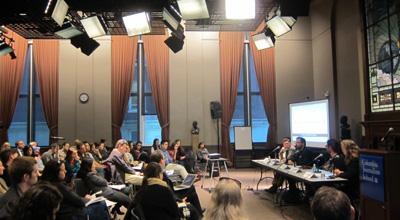
Governments and criminal organizations are stepping up digital surveillance of journalists, but the press is not keeping pace in meeting the challenge, a panel of experts said Wednesday at an event marking the launch of the CPJ Journalist Security Guide. Reporters are using unsecure consumer electronic products for sensitive tasks such as note-taking and source…
Most censored nations each distort the Net in own way
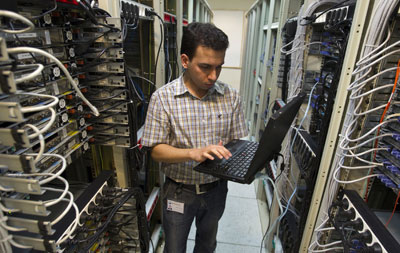
One big reason for the Internet’s success is its role as a universal standard, interoperable across the world. The data packets that leave your computer in Botswana are the same as those which arrive in Barbados. The same is increasingly true of modern mobile networks. Standards are converging: You can use your phone, access an…
China not most censored, but may be most ambitious
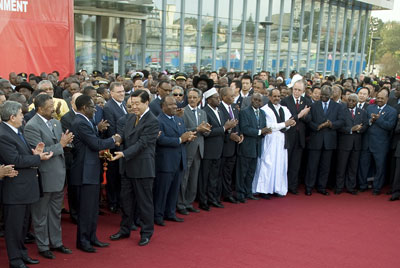
China didn’t make the cut for our 10 most censored countries. While the Chinese Communist Party’s censorship apparatus is notorious, journalists and Internet users work hard to overcome the restrictions. Nations like Eritrea and North Korea lack that dynamism.

Safer mobile use is key issue for journalists
As the Internet and mobile communications become more integrated into reporters’ work, the digital threats to journalists’ work and safety have increased as well. While many press reports have documented Internet surveillance and censorship–and the efforts to combat them–mobile communications are the new frontline for journalist security.
As Eurovision host, Azerbaijan must promote free press
Today in its report on the Most Censored Countries in the world, CPJ singled out Azerbaijan for its lack of foreign or independent broadcasters and because the handful of journalists there who manage to work on independent newspapers or websites are subjected to intimidation, harassment, physical attacks that occur with impunity for those responsible, and…
For conflict journalists, a need for first-aid training
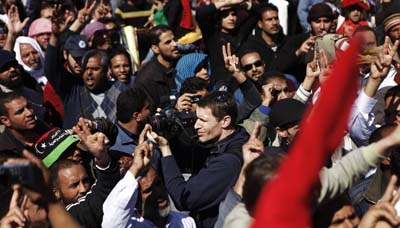
Stop the bleeding. It’s a critical and fundamental step in aiding a journalist or anyone wounded in conflict. Hemorrhage is the number one preventable death on the battlefield. And yet large numbers of journalists covering wars and political unrest all across the world are untrained in this life-saving skill. It doesn’t need to be that…
Journalist as a threat to Kazakhstan’s national security
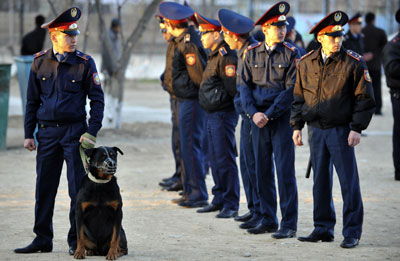
In a reply to CPJ’s protest letter regarding the politicized imprisonment of journalist Igor Vinyavsky, Kazakhstan’s General Prosecutor’s Office said the prosecution wasn’t retaliatory nor related to his journalism. CPJ publicly appealed to Kazakh President Nursultan Nazarbayev after his country’s security service, the KNB, raided Vinyavsky’s newsroom and apartment, confiscated reporting equipment, and imprisoned the…

Why journalists need new ways to stay safe
After the Salvadoran online newsmagazine El Faro exposed a secret government deal with criminal gangs last month, its staff faced repercussions that illustrate the new and complicated risks facing journalists worldwide. El Faro’s report, which said the government provided more lenient treatment of imprisoned gangsters in exchange for the groups’ agreement to slow down their…