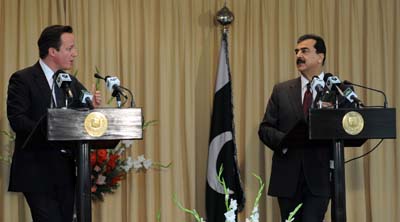
In UK talks, some practical solutions for Pakistani press
Amid political tumult in Islamabad, Pakistani Prime Minister Yousuf Raza Gilani and a team of six ministers are in London for far-ranging meetings today through May 13. The Pakistan-U.K. Enhanced Strategic Dialogue will review education, health, defense, security, and cultural cooperation. CPJ has written a letter to Prime Minister David Cameron to urge that press…
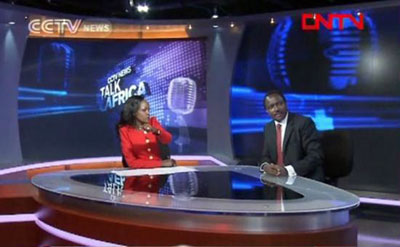
China’s media footprint in Kenya
Will China’s quickly expanding media presence in Africa result in a fresh, alternative, and balanced perspective on the continent–much as Al-Jazeera altered the broadcast landscape with the launch of its English service in 2006–or will it be essentially an exercise in propaganda?
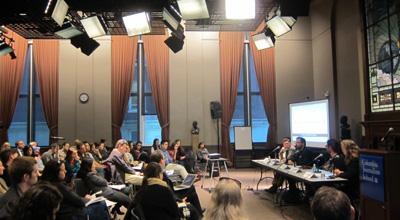
In digital security, knowledge and simplicity are keys
Governments and criminal organizations are stepping up digital surveillance of journalists, but the press is not keeping pace in meeting the challenge, a panel of experts said Wednesday at an event marking the launch of the CPJ Journalist Security Guide. Reporters are using unsecure consumer electronic products for sensitive tasks such as note-taking and source…
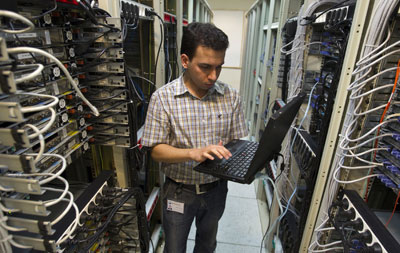
Most censored nations each distort the Net in own way
One big reason for the Internet’s success is its role as a universal standard, interoperable across the world. The data packets that leave your computer in Botswana are the same as those which arrive in Barbados. The same is increasingly true of modern mobile networks. Standards are converging: You can use your phone, access an…
China’s media conditions threaten Chen Guangcheng
The battle over blind Chinese activist Chen Guangcheng’s freedom and well-being is a battle over information. Both Chinese and U.S. officials are trying to spin the story their way. A few activists and media claim to speak for Chen, and in China’s anti-press environment they are putting themselves at risk. Direct interviews with the man…
China not most censored, but may be most ambitious
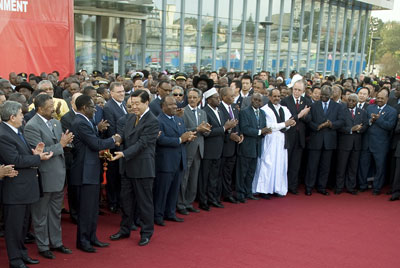
China didn’t make the cut for our 10 most censored countries. While the Chinese Communist Party’s censorship apparatus is notorious, journalists and Internet users work hard to overcome the restrictions. Nations like Eritrea and North Korea lack that dynamism.

Safer mobile use is key issue for journalists
As the Internet and mobile communications become more integrated into reporters’ work, the digital threats to journalists’ work and safety have increased as well. While many press reports have documented Internet surveillance and censorship–and the efforts to combat them–mobile communications are the new frontline for journalist security.

New film “High Tech, Low Life” on Chinese bloggers
“High Tech, Low Life,” a new documentary about Chinese bloggers directed by Stephen Maing, debuted at the 2012 Tribeca Film Festival in New York on April 19. It documents the lives of Zola (Zhou Shuguang) and Tiger Temple (Zhang Shihe), as they blur the lines of citizen journalism and activism though their reporting on evictions,…
For conflict journalists, a need for first-aid training
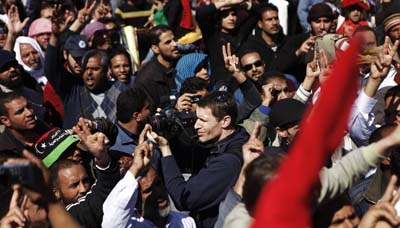
Stop the bleeding. It’s a critical and fundamental step in aiding a journalist or anyone wounded in conflict. Hemorrhage is the number one preventable death on the battlefield. And yet large numbers of journalists covering wars and political unrest all across the world are untrained in this life-saving skill. It doesn’t need to be that…
Blind lawyer spurs news blackout in China
News of blind legal activist Chen Guangcheng has been censored for months. International news reports of his escape last week from incarceration in his home in Linyi, Shandong–apparently to U.S. protection, although his whereabouts remain unclear–has only intensified that censorship. That is unlikely to stop discussion among those familiar with Chen’s case.