Verdict postponed in landmark Thai Internet freedom case
Earlier today, press and human rights groups from around the world heard that the decision in the case of Chiranuch “Jiew” Premchaiporn, the manager of Thai online news site Prachatai, was being delayed yet another month. Chiranuch is charged under Thailand’s Computer Crime Act for 10 counts of not deleting apparently anti-monarchy comments on Prachatai’s…

Why journalists need new ways to stay safe
After the Salvadoran online newsmagazine El Faro exposed a secret government deal with criminal gangs last month, its staff faced repercussions that illustrate the new and complicated risks facing journalists worldwide. El Faro’s report, which said the government provided more lenient treatment of imprisoned gangsters in exchange for the groups’ agreement to slow down their…
Afghan journalist’s death must lead to better combat rules
Wednesday, the Afghanistan Analysts Network (AAN) released its report, “Death of an Uruzgan Journalist: Command Errors and Collateral Damage,” by Kate Clark on the July 2011 shooting death of journalist Omaid Khpalwak. Clark’s details on how Khpalwak died corroborate and then go beyond the investigation already conducted by the U.S.-led NATO forces who were responsible.…

In Sri Lanka: Protecting Peiris, hounding victim’s family
The magistrate’s hearings into the January 24, 2010, disappearance of opposition journalist and cartoonist Prageeth Eknelygoda continue at a tortuously slow pace. A correspondent in Colombo shared the details of the April 24 hearing, where Eknelygoda’s wife, Sandhya, and the couple’s two teenage sons continue to press for any news of Prageeth. The family’s attorney said…
Another Pakistan attack, this one online
The Friday Times in Lahore has come under cyberattack. Earlier Friday, its website could not be accessed. Najam Sethi, the paper’s editor, told CPJ that someone has “launched an attack on the websites of both The Friday Times and Vanguard Books [the book publishing and distribution company that owns the Times]. A tsunami of killer…
Indian justice grinds slowly, but not so finely
First, a bit of history: In 2008, CPJ reported: The high court in the western state of Gujarat defended the media, rebuking a prosecutor for demanding state regulation of newspaper content. The prosecution sought restrictions after the Ahmedabad police commissioner filed sedition charges against a Times of India editor and reporter, and a Gujarat Samachar…
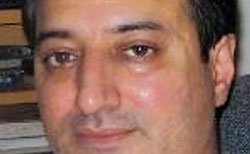
Murtaza Razvi, and what should come next
The ceremony for Murtaza Razvi was held in Karachi Friday. Even as more details of the killing of one of the Dawn Media Group’s most senior journalists emerge, it’s difficult to discern a motive. Several Pakistani media quoted an anonymous police official as saying, “We are investigating into the matter but it is a case…
Internet giants submit to external free expression scrutiny
Journalists and bloggers in authoritarian countries have their work cut out thwarting governments that try to restrict their writing and reporting. The last thing they need to worry about is the provider of their publication platform helping authorities with censorship or surveillance. Cue the Global Network Initiative (GNI), a voluntary grouping of Internet companies, freedom…