
Cuban blogger Yoani Sánchez launches independent news site
Late last October, as I accompanied Cuban blogger Yoani Sánchez in a cab ride from LaGuardia Airport to her hotel in Manhattan, we talked nonstop about what had changed in Cuba during 2013 and about her plans for 2014. Two things she told me then were particularly striking.

Rousseff to CPJ: ‘Brazil committed to fighting impunity’
“The federal government is fully committed to continue fighting against impunity in cases of killed journalists,” Brazilian President Dilma Rousseff told a CPJ delegation during a meeting on Tuesday in Brasilia, the country’s political capital. Accepting that deadly violence against the media is a detriment to freedom of the press, Rousseff said her administration will…

Obama transparency record remains unimpressive
Nearly seven months ago, CPJ published its first in-depth report on press freedom in the United States, concluding that the Obama administration’s aggressive prosecution of leakers of classified information, broad surveillance programs, and moves to stem the routine disclosure of information to the press meant that the president had fallen far short of his campaign…
Slideshow: Covering protests in Venezuela
Coverage of street demonstrations is an exceptionally dangerous assignment, with journalists subject to assaults, obstruction, detention, raids, threats, censorship orders, and confiscation or destruction of equipment. This report is one in a series of three by Getty photographers who documented for CPJ their recent experiences covering protests and shared their photographs.
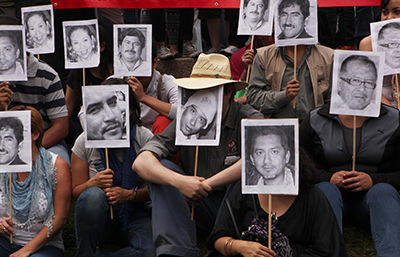
Unprecedented response to Mexican journalist’s murder
The disappearance and murder in Veracruz from February 5 through 11 of local journalist Gregorio Jiménez de la Cruz remains mired in controversy. In mid February, after Jiménez’s murder, a group of journalists traveled to Veracruz and investigated the authorities’ response to the journalist’s killing. On March 19, the group, called Misión de Observación, published…
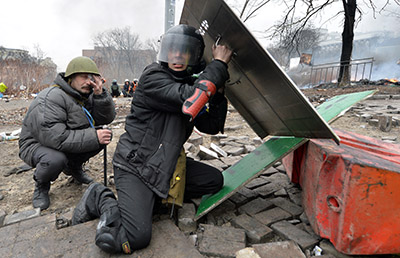
Body armor must match threat in Venezuela and Ukraine
Covering street violence is one thing. Covering gunfire is another. This week, firearms were unexpectedly introduced into ongoing clashes between protesters and police in two parts of the world, raising the threat level faced by journalists trying to cover events.
Media surveillance and ‘the day we fight back’
Today, a broad coalition of technology companies, human rights organizations, political groups, and others will take to the Web and to the streets to protest mass surveillance. The mobilization, known as “The Day We Fight Back,” honors activist and technologist Aaron Swartz, who passed away just over a year ago. Throughout the day, the campaign…
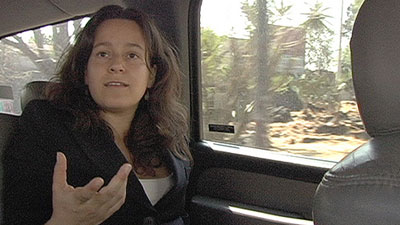
Mexican documentary ‘Presumed Guilty’ finds justice
In the three years since its theatrical premiere, the Mexican documentary “Presumed Guilty” (“Presunto Culpable”) has earned enough headlines to make any film publicist envious. The movie has been banned, disparaged, acclaimed, and the subject of multiple lawsuits. Along the way, it has broken every documentary box office record in Mexico. Now a series of…
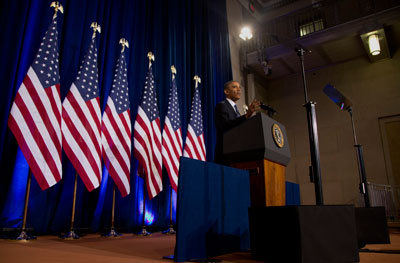
Obama must chart clearer course on surveillance policy
Tonight President Obama has another opportunity to redirect the country’s out-of-control surveillance programs during his annual State of the Union address. He should seize it. The president’s much-anticipated January 17 speech about U.S. surveillance policy, which came in response to outrage over National Security Agency spying, left much unsaid–and many of the commitments he did…