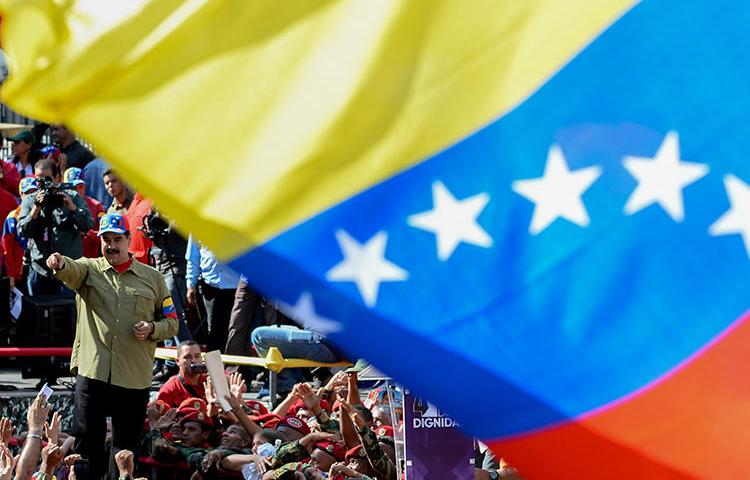
Venezuela’s anti-hate law provides Maduro with another tool to intimidate the press
In what journalists fear could be a taste of things to come, Venezuela’s new anti-hate law was enforced for the first time against a news organization on January 30, when Yndira Lugo, the editor of Diario Región, was called before government agents for questioning.
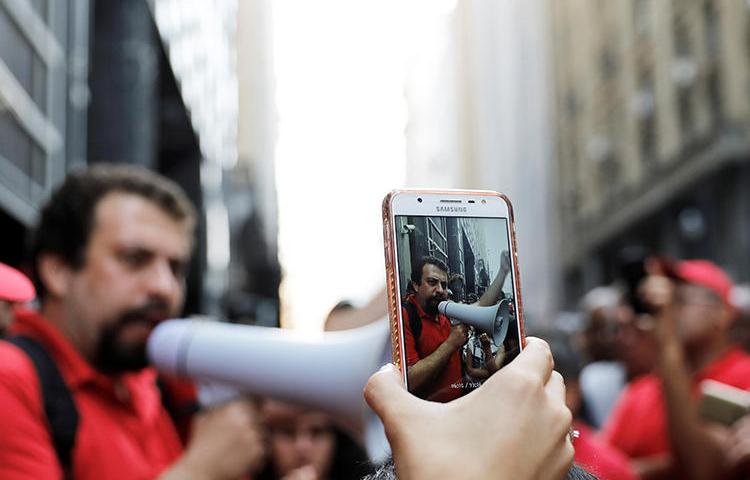
Ahead of elections, Brazil’s police announce plan to crackdown on ‘fake news’
In November last year, Brazilian police stopped a truck on a highway in the center of the country and, after a thorough search, discovered more than six tons of marijuana stashed in false compartments. The truck had the name Romanelli on the side, but police said it was a label designed to confuse and that…

Mexico’s special prosecutor says FEADLE is improving, but impunity continues
For approximately two months, Mexico’s office of the Special Prosecutor for Attention for Crimes Against Freedom of Expression (FEADLE) led a nomadic existence after its building was damaged in a September 19 earthquake that killed almost 400 people in and around Mexico City. The agency now has a new home, but the natural disaster served…

How US vote to extend NSA program could expose journalists to surveillance
The U.S. Senate last week approved a six-year extension to Section 702 of the Foreign Intelligence Surveillance Amendments Act (FISA), in a move that could put journalists at risk. Because people targeted by Section 702 are often of interest to the press as well as the NSA, journalists are more likely than most to have…
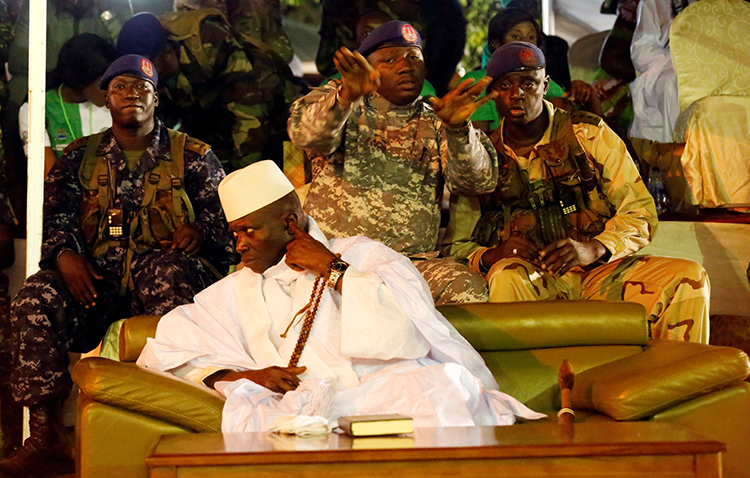
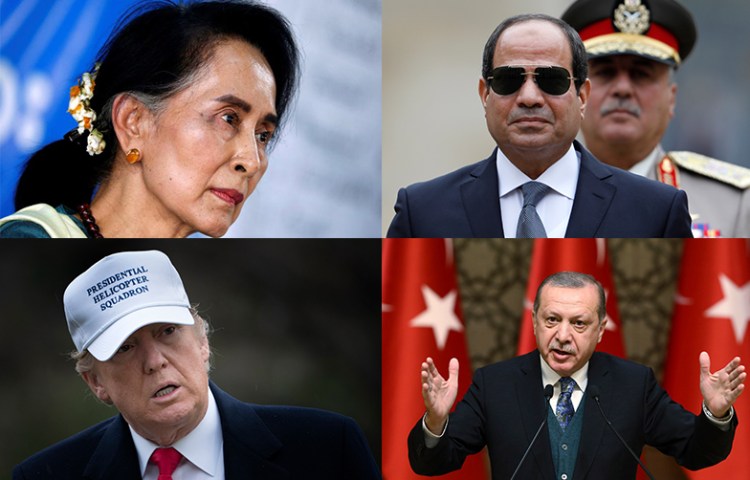
In response to Trump’s fake news awards, CPJ announces Press Oppressors awards
Amid the public discourse of fake news and President Trump’s announcement via Twitter about his planned “fake news” awards ceremony, CPJ is recognizing world leaders who have gone out of their way to attack the press and undermine the norms that support freedom of the media. From an unparalleled fear of their critics and the…
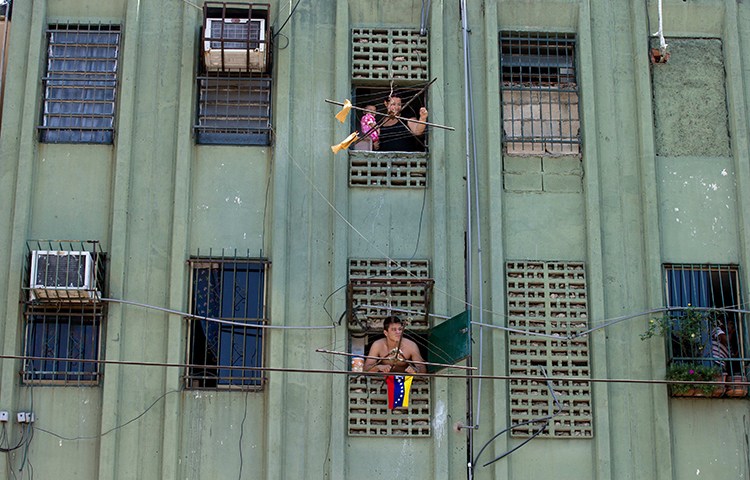
End of the print run for Venezuela’s regional press as supplies dry up for critical outlets
The lobby of El Carabobeño includes a display of vintage cameras, engraving plates and paper cutters from the 1930s when the newspaper was founded in Valencia, Venezuela’s third-largest city. But now El Carabobeño’s modern printing press could be added to the exhibit.
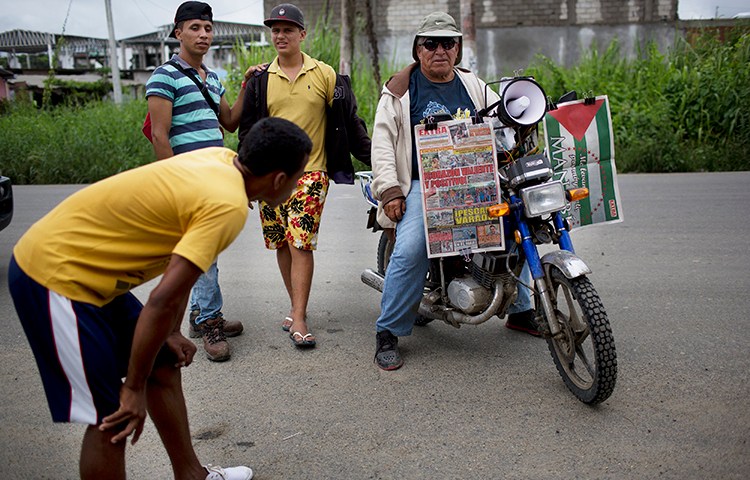
Correa’s legacy leaves a long road to recovery for Ecuador’s journalists
Since taking office in May, Ecuadoran President Lenín Moreno has pledged to end a decade-long battle between the government and the media. But several reporters and editors with whom CPJ spoke said that the anti-press campaign carried out by Moreno’s predecessor, former President Rafael Correa, has caused lasting damage to journalism in Ecuador.
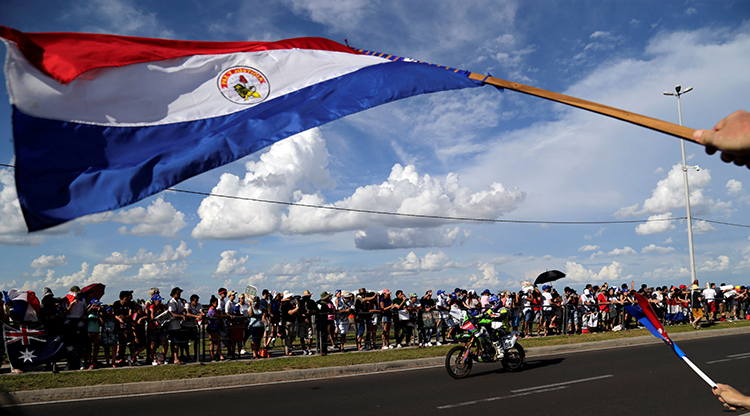
CPJ calls on Paraguay to reject social media regulations
The Committee to Protect Journalists, along with more than 20 international and local rights organizations sent a letter to Paraguayan lawmakers on October 25, calling on them to reject a proposed law regulating anonymous online posts during elections.