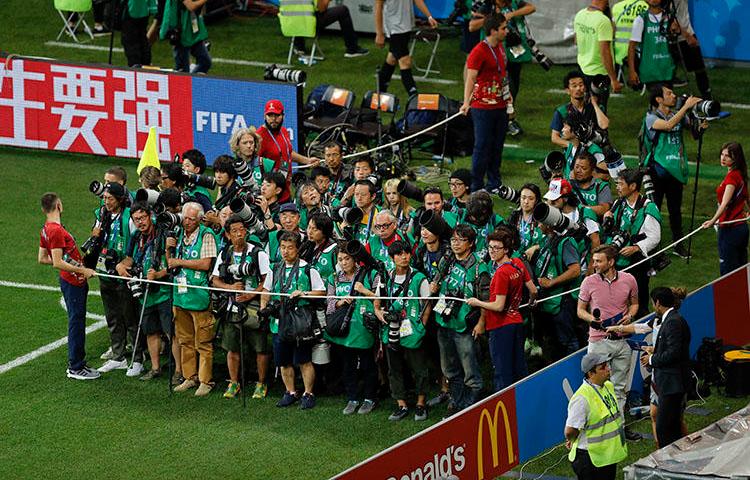
World Cup harassment highlights issues female sports journalists face on daily basis
With the World Cup final just a few days away, female sports journalists say the experiences of at least four reporters who were grabbed, groped, or sexually harassed on air while covering the tournament in Russia have highlighted the harassment they face.
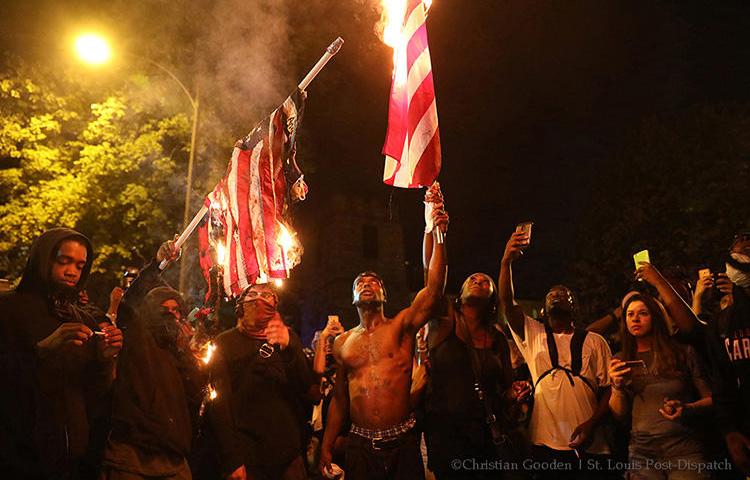
Non-white journalists describe risks and repercussions of covering protests in the US
“I was just another in a sea of black faces on the other side of a police line,” said Christian Gooden, a St. Louis Post-Dispatch photographer who was hit by pepper spray while covering a protest on September 29, last year. Gooden said that he turned his head when police sprayed indiscriminately, then resumed photographing…
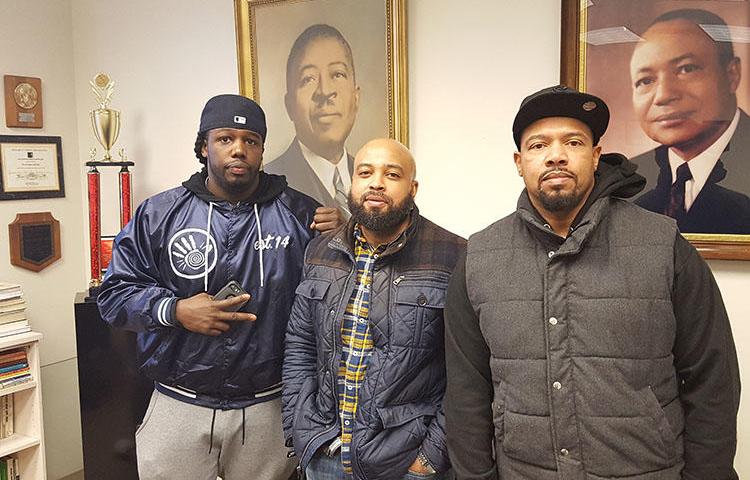
With Zack Stoner’s killing, Chicago loses vital voice covering overlooked community
I weighed the possibility of being killed for writing this. Seriously. I know that shedding light on or speaking about particular persons and issues can increase the likelihood of being murdered, especially in Chicago. To some this may seem like hyperbole or another introduction to a hit-piece on the city’s violence, exaggerating statistics and depicting…
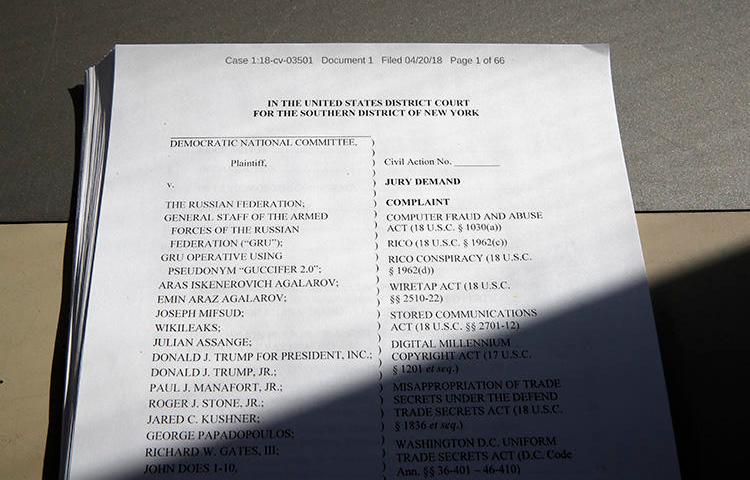
By suing WikiLeaks, DNC could endanger principles of press freedom
In 1993, WILK radio host Frederick Vopper broadcast a conversation intercepted by an illegal wiretap and sent anonymously to the Pennsylvania radio station, in which two teachers union officials discussed violent negotiating tactics. The officials sued Vopper, arguing that he should be liable for the illegal wiretap that captured their comments. But the Supreme Court…
Greater transparency welcome but social media sites should allow independent audits of content takedowns
In recent days, some of the world’s largest tech companies released new transparency reports, opened up their content moderation guidelines, and adopted approaches to fighting pernicious content as they tried to head off government regulation amid concerns about “fake news,” harassment, terrorism and other ills proliferating on their platforms.

Covering LGBTQ issues brings risk of threats and retaliation for journalists and their sources
To mark the annual International Day Against Homophobia, Transphobia and Biphobia, CPJ spoke with journalists and news outlets based in Argentina, Iran, Indonesia, the U.S., Uganda, and Russia, about the challenges they face reporting on LGBTQ issues.
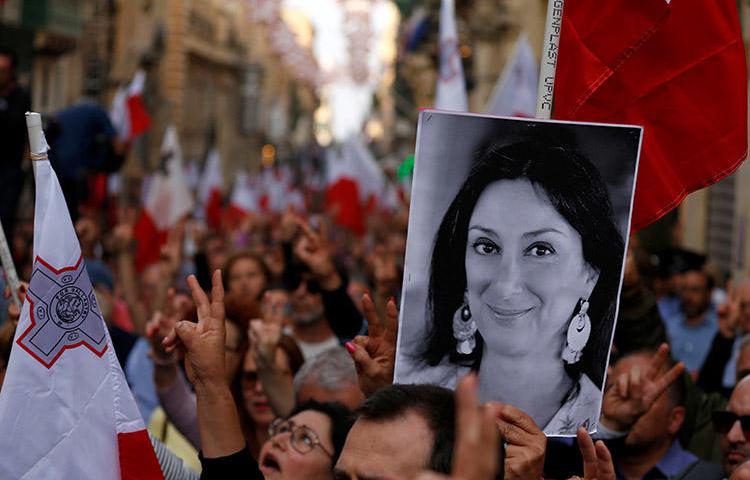
Make solving journalist murders a priority, CPJ tells US Helsinki Commission
“Being a reporter in much of the world is dangerous work. Being an investigative reporter can be deadly,” CPJ Deputy Executive Director Robert Mahoney told the U.S. Commission on Security and Cooperation in Europe, known as the Helsinki Commission, at a briefing in Washington, D.C. today.
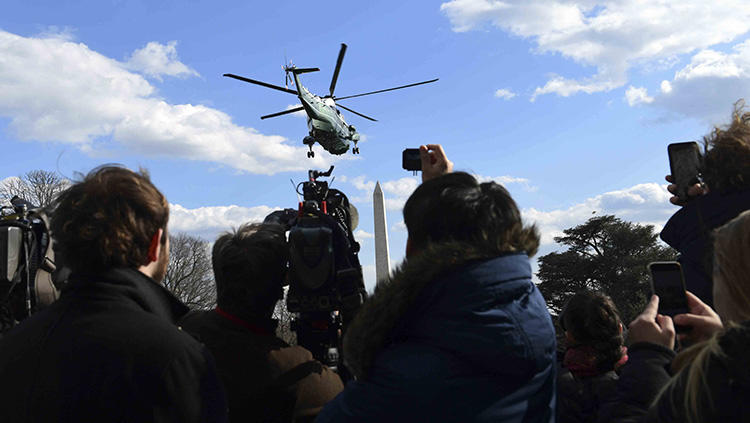
Joint report on press freedom in US details worsening media environment
Journalists and news organizations in the U.S. face a range of intensifying challenges that threaten their right to freedom of the press, according to a report launched today by international press freedom and free expression advocacy groups to mark World Press Freedom Day.
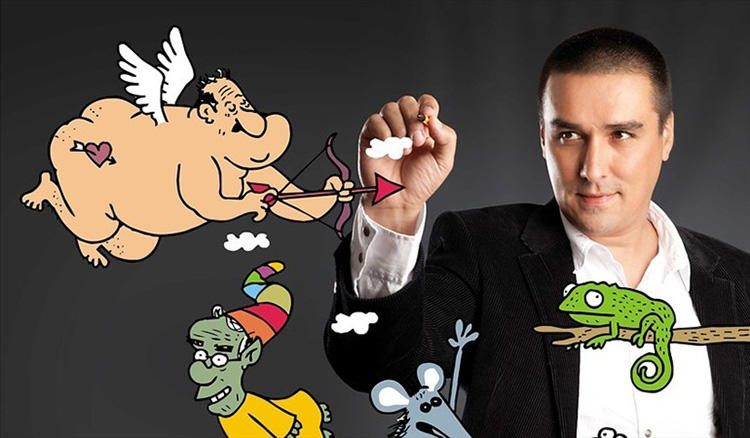
Death threat drives Colombian cartoonist Matador offline
During his 15-year career satirizing public figures, Colombia’s best-known editorial cartoonist has made numerous enemies. In his drawings for the Bogotá daily El Tiempo, Julio César González, better known by his pen name, Matador, targets politicians of all stripes.