New laws obstruct work of investigative journalists in Puerto Rico
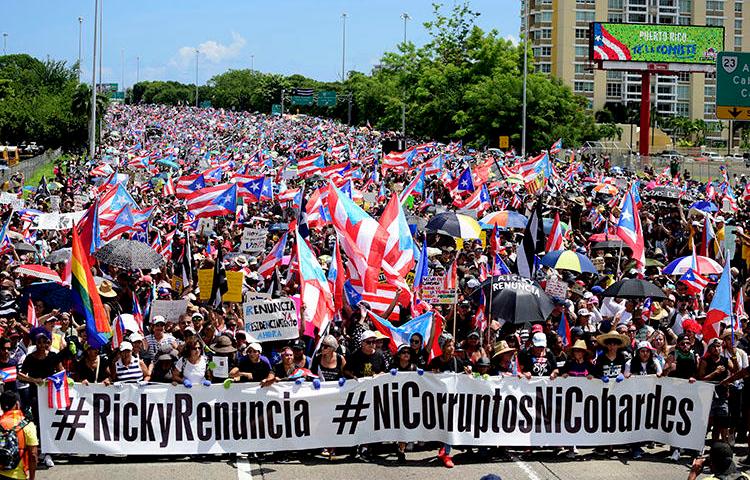
In July 2019, anti-government protesters gathered on the streets of Puerto Rico, motivated in part by the work of investigative journalists who had obtained and published over 900 messages exchanged by then Governor Ricardo Rosselló and his allies that disparaged political opponents and the island’s citizens. Before Rosselló gave in to public pressure to resign…
CPJ, 57 news organizations ask Senate to rethink press restrictions during impeachment
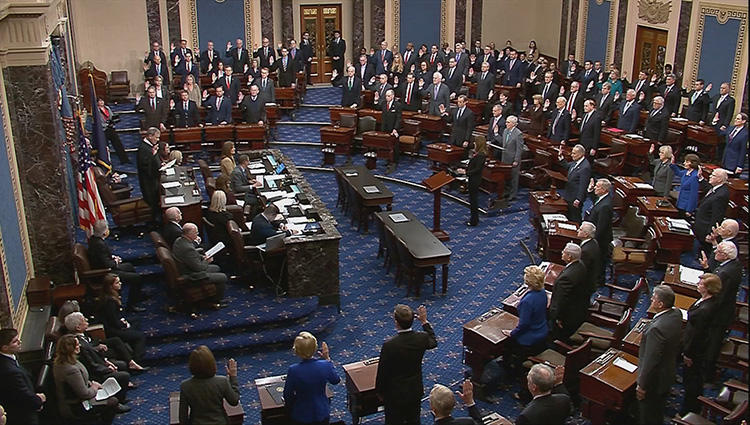
The Committee to Protect Journalists and at 57 other news organizations yesterday sent a letter to Senate authorities asking them to reconsider press restrictions during the impeachment trial of President Donald Trump.
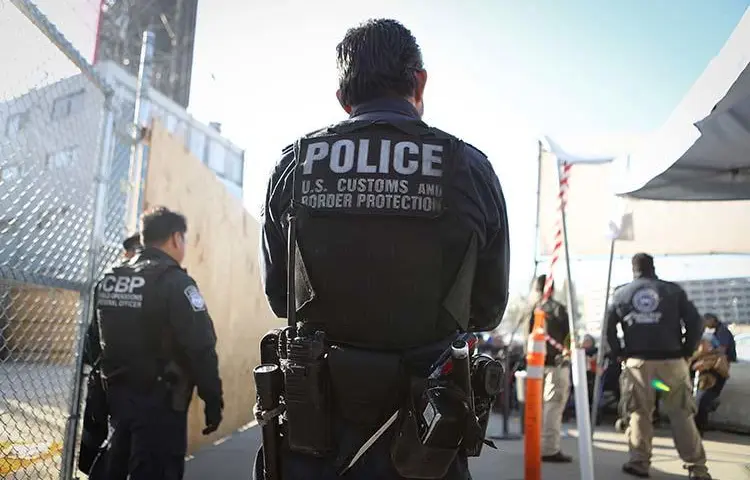
Q&A: Isma’il Kushkush and Sophia Cope on U.S. court ruling against warrantless border search
Journalists crossing U.S. borders face a particular set of challenges, as CPJ has reported extensively. The U.S. government claims sweeping authority to interrogate travelers and search electronic devices without a warrant under what is known as the “border search exception.” CPJ has called this a chilling prospect for reporters in transit—especially those working with confidential…

When it comes to protecting journalists, Mexico’s safety mechanism comes up short
Gildo Garza sighs when he speaks of the institution that is supposed to protect him. “I feel disappointed, depressed, desperate, and alone,” he said. “I no longer have any hope in a system that was supposed to help me build up a new life or get my old life back.”
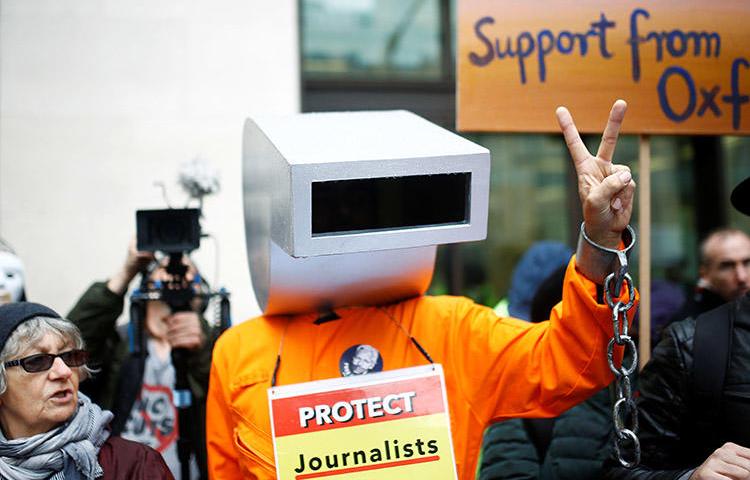
For the sake of press freedom, Julian Assange must be defended
Nine years ago this month, the Committee to Protect Journalists took a stand on one of the most polarizing figures in journalism. We wrote President Barack Obama and his attorney general, Eric Holder, urging them not to prosecute Julian Assange.
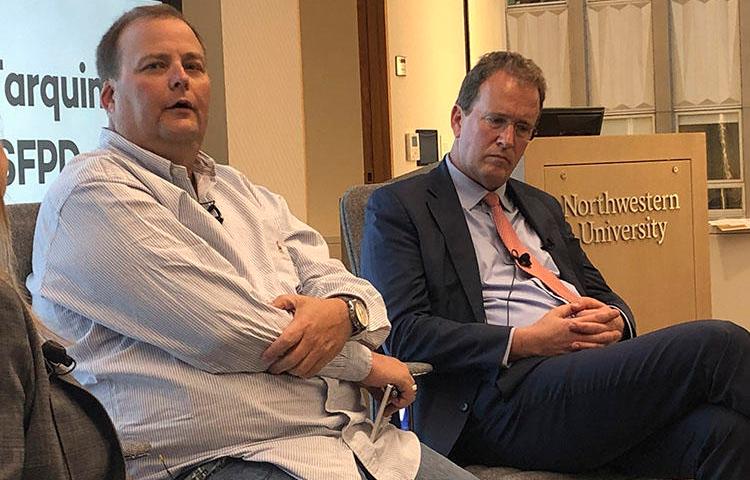
Carmody case shows grave police overreach, say lawyers
Bryan Carmody, a breaking news stringer who frequently worked the police beat in San Francisco, woke on May 10 to the sound of a sledgehammer at the metal gate securing his front door. Law enforcement agents investigating the leak of internal police documents were attempting to discover his source, CPJ reported at the time.
