Attacks on the Press 2009: Preface
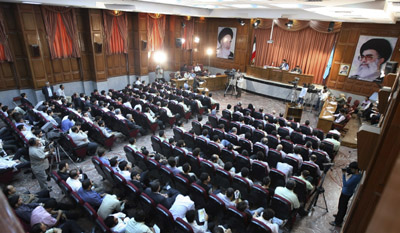
By Fareed Zakaria Toward the end of his 118-day ordeal inside Tehran’s Evin prison, Newsweek reporter Maziar Bahari had a bizarre exchange with his interrogator. Bahari had been held in solitary confinement since his arrest after Iran’s disputed presidential election in June; he had been subjected to near-daily beatings and interrogation sessions that stretched for…
Attacks on the Press 2009: Introduction
By Joel Simon Does “name and shame” still work in the Internet age? After all, the massacre of 31 journalists and media workers in the Philippines pushed the 2009 media death toll to the highest level ever recorded by CPJ. The number of journalists in prison also rose, fueled by the fierce crackdown in Iran.
Why a killing in Chechnya is an international issue
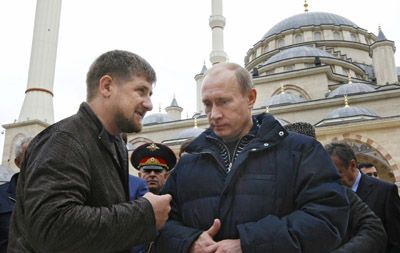
By Nina Ognianova The day before, Natalya Estemirova had seen off two colleagues from Moscow. Yelena Milashina, a reporter with the newspaper Novaya Gazeta, and Tanya Lokshina, an advocate with the international group Human Rights Watch, had traveled to Chechnya on separate assignments. Like many visiting journalists and human rights defenders, Milashina and Lokshina had…
Attacks on the Press 2009: Armenia
Top Developments• Broadcast media controlled by government or its allies.• Numerous assaults reported, but police do little. Key Statistic 12: Broadcast license applications filed by independent outlet A1+. None approved. The nation remained polarized by the fraud-marred 2008 presidential election won by Serzh Sargsyan, with large public protests and violent government reprisals continuing well into 2009. The…
Attacks on the Press 2009: Azerbaijan
Top Developments• Critical reporters jailed for defamation, “hooliganism.”• CPJ honors imprisoned editor Eynulla Fatullayev. Key Statistic 68: Novruzali Mamedov’s age when he died in prison after being denied medical care. Using imprisonment as a crude form of censorship, the authoritarian government of President Ilham Aliyev remained one of the region’s worst jailers of journalists. Authorities allowed one…
Attacks on the Press 2009: Belarus
Top Developments• Restrictive law requires media obtain government registration.• Administration eases some repressive tactics to gain EU favor. Key Statistic 13: Independent papers blacklisted by state-controlled distributors. Authorities eased their heavy-handed tactics of repression for much of the year even as a restrictive new media law took effect. The change in tone coincided with the European Union’s…
Attacks on the Press 2009: Croatia
Top Developments • Government makes progress on reforms, but press freedom lags. • Ruling HDZ gains influence with some media outlets.Key Statistic 8: People indicted in a car bombing that killed two media executives. Croatia’s efforts to join the European Union by 2011 did not yield major improvements in press freedom. While the EU said…
Attacks on the Press 2009: Georgia
Top Developments • TV news politicized due to government manipulation. • Opposition-aligned broadcaster obstructed. Key Statistic 7: Percent of Internet penetration nationwide. While no journalists were killed or imprisoned in Georgia in 2009, press freedom in this small South Caucasus nation stagnated due to persistent state manipulation of news media, particularly television broadcasting. In a…
Attacks on the Press 2009: Kazakhstan
Top Developments• Repressive media law takes effect, sets limits online.• Politicized lawsuits threaten independent newspapers. Key Statistic 2010: Year that Kazakhstan assumes chairmanship of OSCE. The authoritarian government of this central Asian nation brazenly defied international standards for freedom of expression even as it prepared to assume chairmanship of the Organization for Security and Co-operation in…
Attacks on the Press 2009: Kyrgyzstan
Top Developments• Saipov murder case unsolved and beset by questions.• Four journalists badly beaten; no arrests made. Key Statistic 76: Percentage of vote won by Kurmanbek Bakiyev in flawed presidential election. The press climate deteriorated in this mountainous central Asian nation that once offered promise for democracy and free expression. The government’s erratic investigation into the…