Attacks on the Press in 2011: Belarus
After a rigged December 2010 presidential vote, authoritarian leader Aleksandr Lukashenko unleashed two waves of repression against critics and political opponents, one in early year and one in summer. The KGB and police raided independent newsrooms and journalists’ homes, confiscated reporting equipment, and jailed independent reporters. Politicized courts handed suspended prison terms to prominent journalists…
Attacks on the Press in 2011: Azerbaijan
Four years after Eynulla Fatullayev was imprisoned on a series of fabricated charges, and more than a year after the European Court of Human Rights ordered his immediate release, the editor finally walked free. In an interview with CPJ, Fatullayev praised the international community for its sustained support. Attacks against domestic journalists covering sensitive subjects…
Attacks on the Press in 2011: Italy
Silvio Berlusconi’s government crumbled in November amid the country’s economic crisis, ending a tenure marked by manipulation and restriction of the press. As prime minister and media owner, Berlusconi owned or controlled all of Italy’s major national television channels, ensuring news coverage favorable to his administration. He worked methodically for three years to enact controversial…
Attacks on the Press in 2011: United Kingdom
The News of the World phone-hacking scandal and subsequent public inquiry raised concerns that public interest journalism could suffer from efforts to curtail unethical practices through regulation. While investigating related police leaks, Scotland Yard invoked the Official Secrets Act to pressure a journalist to reveal sources for her coverage of the scandal. Authorities ultimately backed…
Attacks on the Press in 2011: France
France’s press freedom record continued a downward slide, in large part because authorities attempted to violate the confidentiality of journalists’ sources and interfere with editorial decisions. Most of the recent cases stemmed from the “Bettencourt affair,” the alleged illegal financing of the presidential party by the billionaire Liliane Bettencourt. In 2010, President Nicolas Sarkozy’s office…
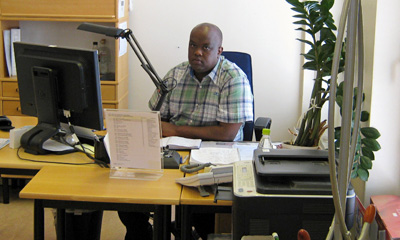
Rwandan exiled journalist comes out of hiding
I must have received at least a dozen communications from worried friends and colleagues, asking the whereabouts of the chief editor of the highly critical Rwandan website, Umuvugizi. By mid-January, no one had heard from John Bosco Gasasira, nothing new had been published on Umuvugizi since January 11, and his cell phones were switched off.…
CPJ urges Kazakhstan to stop repressing media
Dear President Nazarbayev: The Committee to Protect Journalists is deeply disturbed by the ongoing crackdown by Kazakhstan’s security service, the KNB, against independent journalists. The imprisonment of Vzglyad editor Igor Vinyavsky and interrogations of independent reporters by KNB agents appear to be reprisals for critical reporting on government policies, including a December 2011 confrontation in which authorities killed civilians.
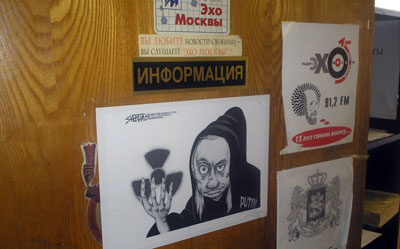
Ekho Moskvy board shuffled ahead of Russian election
The Russian blogosphere erupted with comments today following an announcement that the board of directors of the iconic radio station, Ekho Moskvy, will be changed. The timing of the development–weeks before presidential elections–and the potential consequences for Ekho’s editorial policy threw listeners into a frenzy of worry and speculation.
Russia expels French journalist for interviewing opposition
New York, February 13, 2012–The expulsion of prominent French journalist and author Anne Nivat from Russia today, on alleged violation of her visa status, indicates an increasingly restrictive environment for journalists in the lead-up to Russia’s presidential election, said the Committee to Protect Journalists.

India: Let us in!
In 2005, we deliberately violated the immigration laws of India. We broke the law by producing a documentary film even though we had entered the country on a tourist visa. We broke the law because we wanted to show that Scandinavian companies were in violation of many other laws in India.