Journalists imprisoned, threatened in Belarus
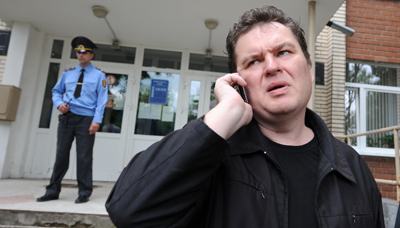
New York, June 26, 2012–Belarusian authorities should immediately release a critical journalist who was tried, convicted and sentenced to prison in a single day on a vague charge of hooliganism, the Committee to Protect Journalists said today. In an unrelated incident, a Belarus correspondent for the independent Moscow-based newspaper Novaya Gazeta received a threatening package…
In Belarus, journalist arrested, charged with libel
New York, June 21, 2012–Authorities in Belarus must drop the charges against a prominent journalist arrested today for libel against the president, and immediately release him, the Committee to Protect Journalists said today. Andrzej Poczobut has been targeted in the past for his critical writing, CPJ research shows.
Most censored nations each distort the Net in own way
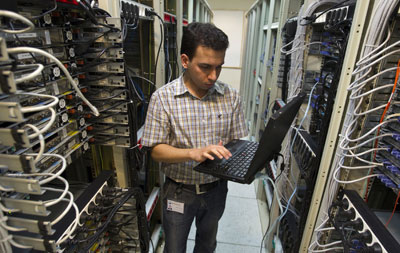
One big reason for the Internet’s success is its role as a universal standard, interoperable across the world. The data packets that leave your computer in Botswana are the same as those which arrive in Barbados. The same is increasingly true of modern mobile networks. Standards are converging: You can use your phone, access an…
Video: 10 Most Censored Countries
CPJ Deputy Director Robert Mahoney counts down the 10 countries where the press is most tightly restricted. How do leaders in these nations silence the media? And which country is the worst of all? (4:03) Read CPJ’s report on the 10 Most Censored countries for more detail on how censorship works, and which countries were…
China not most censored, but may be most ambitious
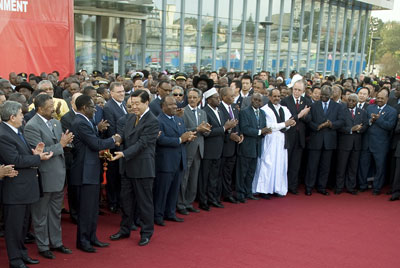
China didn’t make the cut for our 10 most censored countries. While the Chinese Communist Party’s censorship apparatus is notorious, journalists and Internet users work hard to overcome the restrictions. Nations like Eritrea and North Korea lack that dynamism.

Safer mobile use is key issue for journalists
As the Internet and mobile communications become more integrated into reporters’ work, the digital threats to journalists’ work and safety have increased as well. While many press reports have documented Internet surveillance and censorship–and the efforts to combat them–mobile communications are the new frontline for journalist security.
Belarus must lift travel ban against journalists
New York, March 15, 2012–The Committee to Protect Journalists is outraged by the illegal foreign travel ban on at least four independent journalists in Belarus, and calls on the government of Aleksandr Lukashenko to immediately restore their freedom of movement.
Attacks on the Press in 2011: Profiles in Freedom
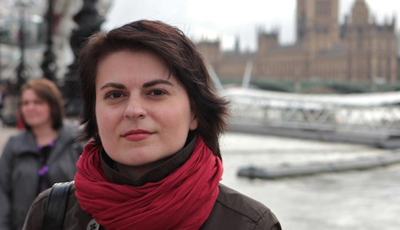
How does one negotiate the choice to stay and report potentially dangerous news, rather than take a less risky assignment, leave the profession, or flee the country? The recipients of the 2011 International Press Freedom Awards explain. By Kristin Jones
Attacks on the Press in 2011: Belarus
After a rigged December 2010 presidential vote, authoritarian leader Aleksandr Lukashenko unleashed two waves of repression against critics and political opponents, one in early year and one in summer. The KGB and police raided independent newsrooms and journalists’ homes, confiscated reporting equipment, and jailed independent reporters. Politicized courts handed suspended prison terms to prominent journalists…