Jonathan Rozen
Jonathan Rozen is a Program Coordinator with CPJ’s Africa team. He is also a Technology and Human Rights fellow at the Harvard Kennedy School and serves as a Senior External Advisor with the International Justice Clinic at the University of California, Irvine School of Law. Previously, he worked in South Africa with the Institute for Security Studies and wrote for the Germany-based adelphi consulting group on links between climate action and conflict prevention. Rozen was a U.N. correspondent for IPS News and has written for Al Jazeera English and Daily Maverick, among other outlets. Follow him on LinkedIn.
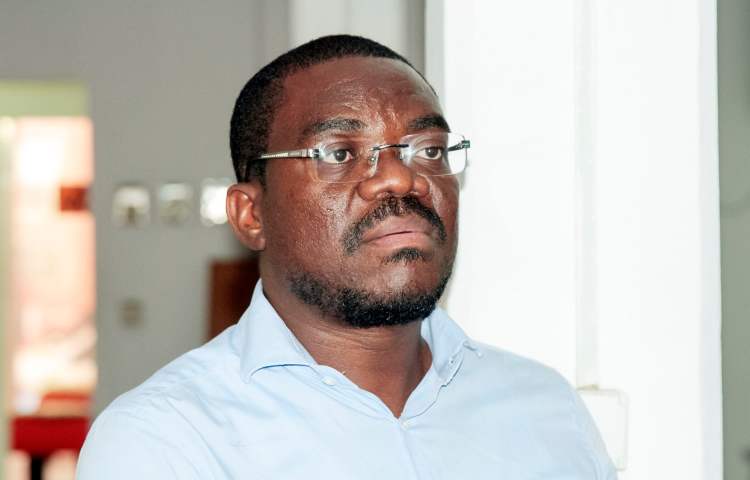
‘I literally felt naked’: Angolan journalist Teixeira Cândido targeted with Predator spyware
Angolan journalist and lawyer Teixeira Cândido wants to know who targeted him with spyware, and he wants justice. “First and foremost, we must seek to find out who the entities are that have acquired these spyware tools,” Cândido told CPJ, as findings published by Amnesty International’s Security Lab show that a malicious link sent in…

Cyberattackers use easily available tools to target media sites, threaten press freedom
When exiled Russian news website Meduza was hit with a flood of internet traffic in mid-April, it set off alarm bells among the staff as the deluge blocked publishing for more than four hours and briefly rendered the site inaccessible for some readers. It was the largest distributed denial of service attack (DDoS) attack in…

Record number of journalists in Senegal’s jails amid political turmoil
Senegalese reporter Ndèye Maty Niang, also known as Maty Sarr Niang, would have likely jumped at the chance to report on the political crisis gripping her country since the president postponed elections in early February. But Niang can’t cover the news – she’s in a women’s prison awaiting trial. She’s not alone: Niang is one…
‘Network abuse’: Attacks on 3 media sites involved services of US, UK firms
Cyberattackers used services of technology companies based in the U.S. and U.K. to target media sites from Somalia, Kosovo, and Turkmenistan, Qurium, a nonprofit hosting the sites, said Tuesday. Earlier this month, CPJ reported on how cyberattackers used a Nebraska company, RayoByte, in attempts to knock those same media sites offline, as well as at…
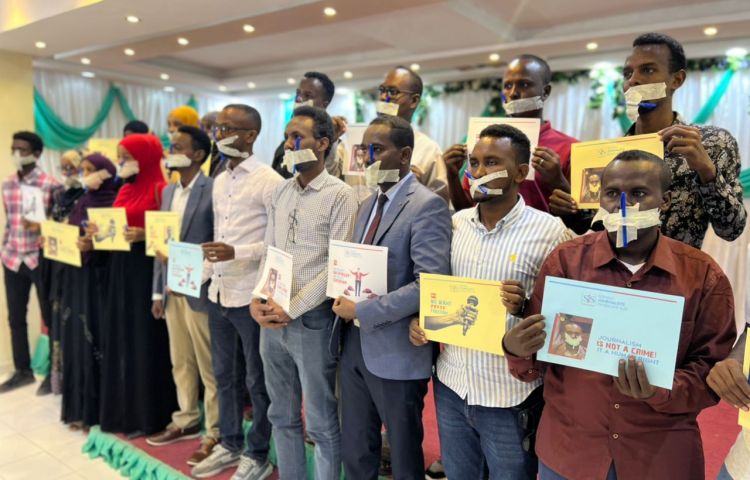
Cyberattackers used US company RayoByte in efforts to crash media sites
The cyberattack against the Somali Journalists Syndicate could not have come at a worse time. A distributed denial-of-service attack, known by its acronym DDoS, flooded the local press freedom group’s website with traffic in early August and knocked it offline. Days later, authorities arrested SJS staff member and Kaab TV editor Mohamed Ibrahim Osman Bulbul…
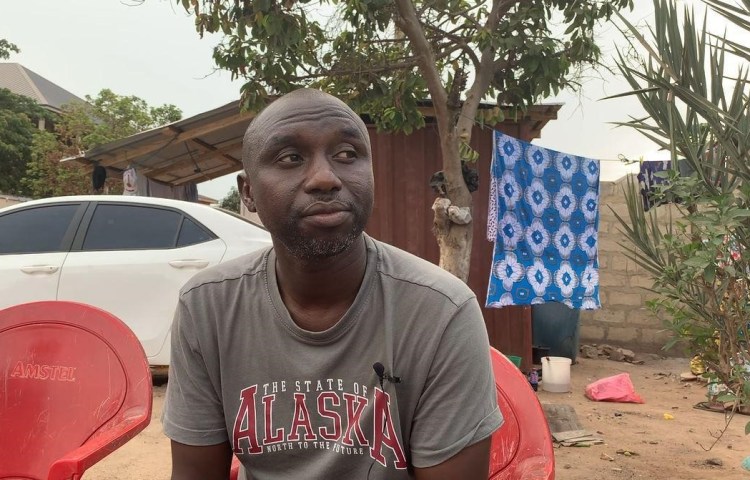
‘You better shut up’: A Ghana family’s relentless calls for justice
Kamilu Ibrahim Tahidu and his brothers gather every evening outside their family home in Ghana’s capital of Accra. They sit in a circle of plastic chairs and enjoy each others’ company. They pray together. And they never forget that one of them is missing. It’s been over four years since assassins came to their neighborhood,…
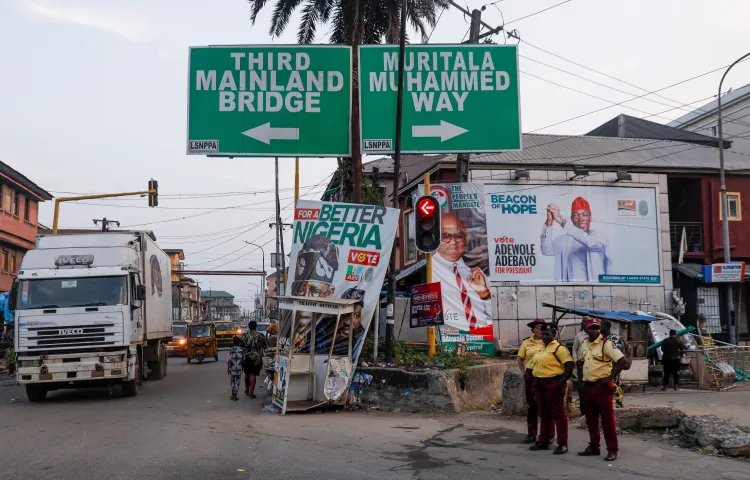
‘Like going to the war front’: Nigerian journalists offer tips for covering 2023 elections
In the early hours of February 1, unknown gunmen set fire to an office of Nigeria’s Independent National Electoral Commission and a police station in the country’s southeastern Anambra state. Days earlier, gunmen had attacked and killed soldiers and policemen at checkpoints along a road that connects nearby Enugu and Ebonyi states. The incidents underscored…
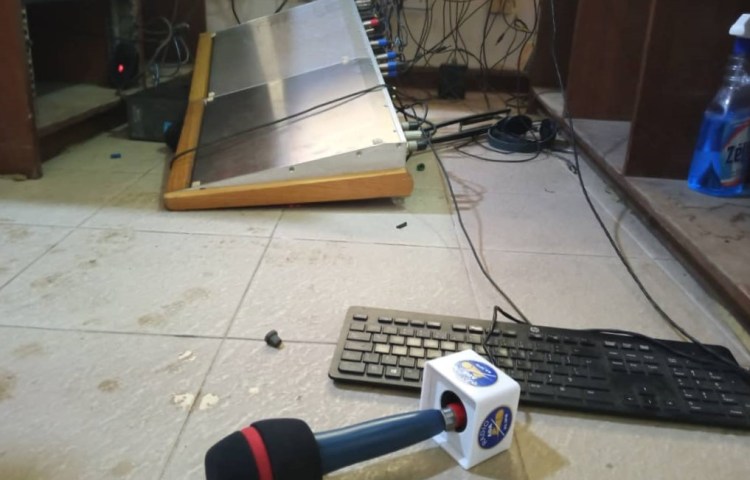
Four years since murder of Ahmed Hussein-Suale Divela, Ghana’s journalists still attacked with impunity
The January 16, 2019, murder of Ghanaian journalist Ahmed Hussein-Suale Divela, who was gunned down by unidentified men months after threats by a local politician, sent shockwaves through the country’s press corps and yielded promises from leaders to find the killers and bring them to justice. But four years later – despite police assurances of progress and two arrests – nobody has been…

‘Permanent fear’: Togolese journalists on their lives 1 year after Pegasus Project revelations
One year after news broke about a list of over 50,000 phone numbers allegedly selected for surveillance with Pegasus spyware, journalists around the world continue to live and work with the fear that their phones can be used to track their conversations and penetrate all the personal and professional data stored on their devices. The…
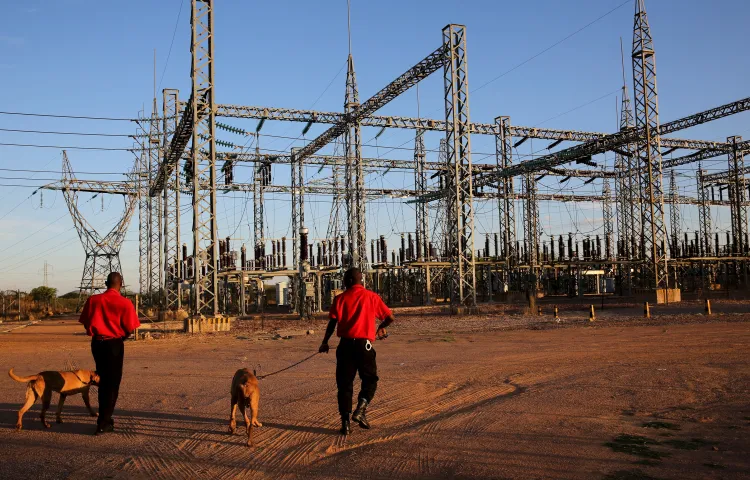
Botswana journalists remain ‘vigilant’ under new surveillance law
When Botswana’s government sought to pass a new law early this year that would have allowed for warrantless surveillance, local opposition came swift. Authorities eventually introduced judicial oversight, which local media groups considered a success, but the Botswana police’s history of searching journalists’ devices and accessing their telecom information remains cause for concern. “We do…