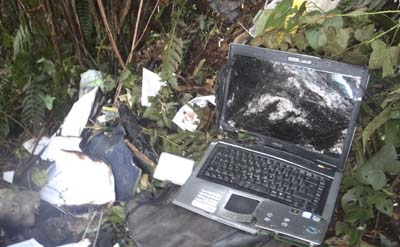
Even by Pakistani standards, a terrible month for press
May has been a terrible month for journalists in Pakistan, a country that has ranked as the world’s deadliest place for the press for two consecutive years. Two journalists have been killed, two more shot and wounded, and one attacked while in police custody, all in less than a month, according to news reports.
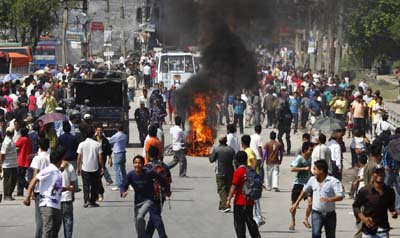
Journalists targeted during protests in Nepal
New York, May 23, 2012–Authorities in Nepal must protect journalists seeking to report on developments in the volatile run-up to Sunday’s deadline for a new constitution, the Committee to Protect Journalists said today. Dozens of journalists were reportedly attacked by ethnic activists during a three-day general strike that began Sunday, according to news reports.

No joke: Moves to squelch Pakistani media, again
With general elections approaching, the landscape is again bearing eerie resemblance to the final days of General Pervez Musharraf’s reign. In November 2007 he banned selected TV channels for 88 days to stifle what he saw as “irresponsible journalism.” Now, Pakistani electronic media might be chained again, this time for violating cultural and ethical values…

Don’t get your sources in Syria killed
Because foreign journalists have been virtually banned from Syria during the uprising against Bashar al-Assad’s regime, news coverage has relied heavily on citizen journalists and international reporters working with sources inside the country. Syrians who communicate with foreign news media run the risk of being threatened, detained, tortured, or even killed.
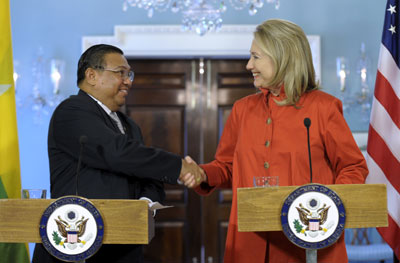
Sorting out sanctions, censorship, sincerity in Burma
On Thursday, the United States rolled back prohibitions against American companies doing business in Burma. The announcement marked the latest diplomatic reward given to President Thein Sein’s quasi-civilian government for initiating reforms in what has historically been a military-run country. In making the announcement, U.S. Secretary of State Hillary Clinton said the democratic changes initiated…
Signs of change in North Korea
CPJ may have raised some eyebrows with this year’s list of the world’s 10 most censored countries. North Korea was relegated to the number two slot, behind Eritrea. In our last ranking, in 2006, we ranked North Korea as the worst, and many other organizations continue to do that.
Sri Lanka Supreme Court slams door on websites
On Wednesday, Sri Lanka’s Supreme Court slammed the door on a case about the shutdown of four websites that had failed to register with the government. In handing down its decision, the Court appeared to rule that freedom of expression in Sri Lanka is not an absolute right and can be restricted–and you don’t need…