Americas
2015
Officials sentenced in Colombia for spying on journalists
Bogotá, May 1, 2015–The Committee to Protect Journalists welcomes the sentencing on Thursday by the Colombian Supreme Court of two former senior government officials for their roles in an illegal surveillance program. The program, which occurred while former President Álvaro Uribe was in office, involved spying on some of the country’s most prominent journalists as…
On World Press Freedom Day and journalists’ safety
Last week, I met a Cameroonian journalist who worked in the Congo until he fled following a series of threats and an attack on his home by armed men who assaulted his sister. Elie Smith, a TV host who documented alleged abuses by police and was outspoken in his criticism of the government, said he…
Brazilian journalists injured while covering protests
São Paulo, May 1, 2015–At least five Brazilian journalists were injured while covering clashes on Wednesday between police and striking teachers in the southern state of Paraná, according to news reports and local journalists. The Committee to Protect Journalists condemns the attacks and calls on Brazilian authorities to ensure the perpetrators are held responsible.
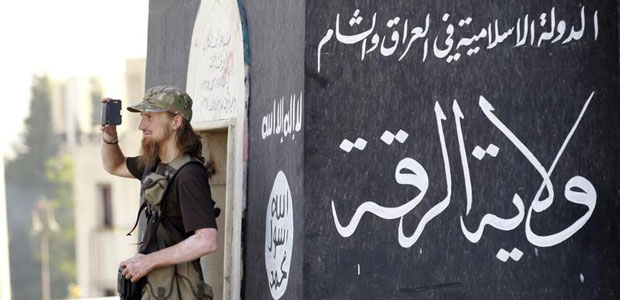
Broadcasting murder: Militants use media for deadly purpose
News of the August 19, 2014, murder of journalist James Foley broke not in the media but instead on Twitter. News organizations faced the agonizing questions of how to report on the killing and what portions of the video to show. If a group or individual commits an act of violence, and then films it,…

Between conflict and stability: Journalists in Pakistan and Mexico cope with everyday threats
By Daniel DeFraia The Pakistani journalist knew the risk, but he wrote the story about the militants anyway. Years earlier he had been shot, after reporting on another taboo subject, but for him the freelance work was thrilling, even after he had to marry his girlfriend in secret and flee Pakistan without her–and still now,…
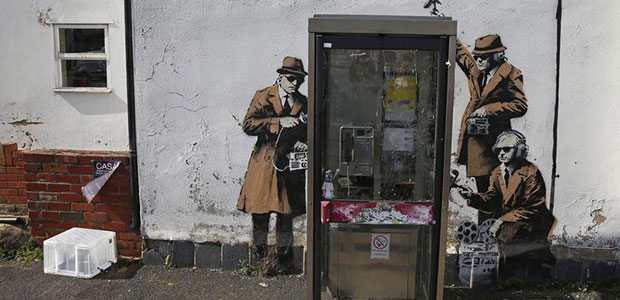
Surveillance forces journalists to think and act like spies
Once upon a time, a journalist never gave up a confidential source. When someone comes forward, anonymously, to inform the public, it’s better to risk time incarcerated than give them up. This ethical responsibility was also a practical and professional necessity. If you promise anonymity, you’re obliged to deliver. If you can’t keep your word,…

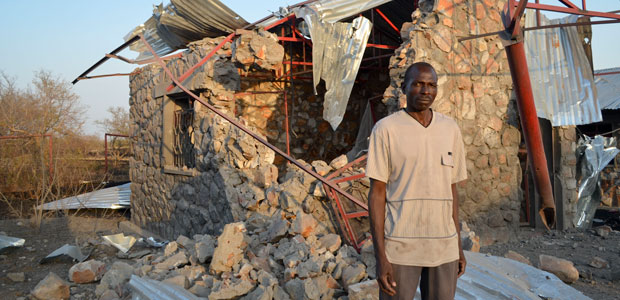
Journalists overcome obstacles through crowdfunding and determination
During South Africa’s Boer War, at the turn of the 20th century, a determined news organization relocated reporters, copy editors, and printing presses to the front line to ensure accurate reporting. In the Warsaw Ghetto, during World War II, a literal underground press, established to counter Nazi propaganda, required the nightly movement of cumbersome printing…