Americas
2015
Radio station owner gunned down in Colombia
Bogotá, February 18, 2015–The Committee to Protect Journalists condemns the murder on Saturday of a Colombian radio station owner and calls on authorities to identify the motive and ensure the perpetrators are held to account. Luis Antonio Peralta Cuéllar was a journalist and an aspiring politician who often broadcast reports criticizing political corruption in the…
TrollBusters app takes on those seeking to silence women writers
Eight years ago Michelle Ferrier was forced to quit her job as a newspaper columnist and move to a different state after being targeted by racist hate mail. But Ferrier has managed to turn a traumatic experience into an empowering one by inspiring a team of tech-savvy media professionals and entrepreneurs to create TrollBusters, a…
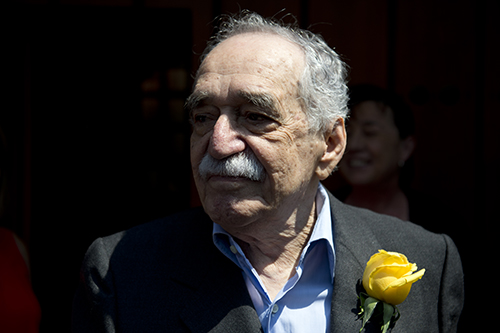
Why García Márquez’s work to improve press protection in Colombia is still vital
To coincide with Colombia’s national day for journalists the Colombian organization Foundation for Freedom of the Press (FLIP) has published its annual report on press freedom conditions. The review of challenges faced by the media in 2014 comes as we remember the loss last year of one of the great defenders and promoters of Colombian…
Mexican editor flees after gunmen abduct and beat him
Mexico City, February 6, 2015–The editor of a Mexican daily in Matamoros has fled the city after gunmen abducted him from his office on Wednesday and beat him, prompting the paper to say it will stop covering violence. The abduction came after the newspaper published stories and photos on drug cartel violence near the U.S.-Mexico…
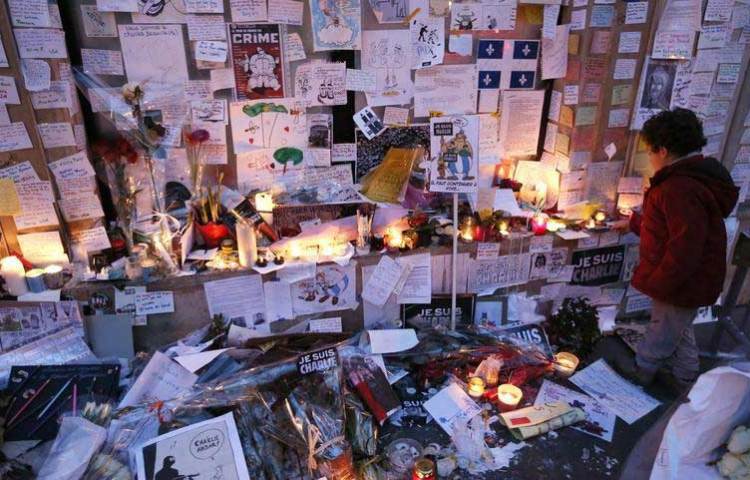
News from the Committee to Protect Journalists, January 2015
Putting Charlie Hebdo in context When masked gunmen raided the office of French satirical magazine Charlie Hebdo on January 7, killing 12 people including eight journalists, the media turned to the Committee to Protect Journalists to put the attack in context and comment on the repercussions for press freedom worldwide. CPJ’s experts and directors gave…
Veracruz officials say abducted journalist found dead
Mexico City, January 29, 2015–The decapitated body of Mexican journalist José Moisés Sánchez Cerezo was found early Saturday in Veracruz state, according to a statement from the state attorney general’s office. The journalist and owner of the newspaper La Unión had been missing since January 2.
Journalist flees Argentina after reporting on prosecutor’s death
New York, January 26, 2015–The Committee to Protect Journalists is concerned that Argentine journalist Damián Pachter fled the country early Saturday out of concern for his safety, according to news reports. Pachter broke the news on January 18 that Alberto Nisman, a prosecutor investigating the 1994 terrorist attack on Jewish cultural center AMIA, had been…
Colombian photojournalist escapes kidnappers
EDITOR’S NOTE: On January 29, 2015, reports in the Colombian press said Johanny Vargas issued a statement saying he had not been kidnapped and that his disappearance occurred under personal circumstances. CPJ is investigating. Bogotá, January 23, 2015–The Committee to Protect Journalists condemns the abduction of Colombian news photographer Johanny Vargas and calls on authorities…
Uneasy alliance: State Department and journalists discuss rise in violence
Doug Frantz spent more than three decades in the journalistic trenches covering wars, overseeing investigative reporting, and directing national security coverage. He did stints at The New York Times, the Los Angeles Times, and The Washington Post. Today Frantz works for the State Department, serving as Assistant Secretary of State for Public Affairs. Alarmed by…
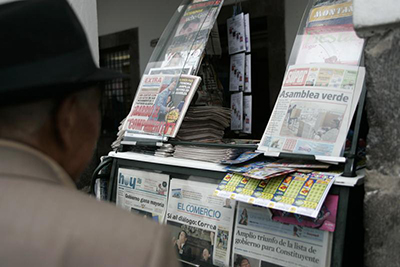
How Ecuador’s plans to make communications a public service is threat to free press
Attempts to amend Ecuador’s constitution to categorize communications as a “public service” has sparked a fierce debate, with one critic drawing comparisons to the way dictators such as Stalin and Hitler used the press as a propaganda tool, and supporters of President Rafael Correa’s government arguing that the proposed reforms will make journalism more accountable…