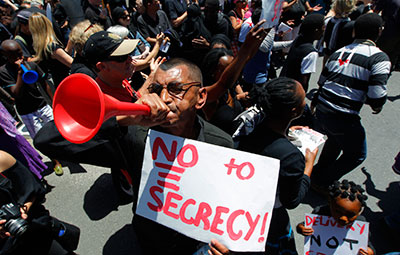
South African Secrecy Bill kept at bay, for now
South African journalists and civil society groups were uneasy this month amid rumors that the Protection of State Information Bill, commonly known as the Secrecy Bill, would pass the Upper House of parliament, the last step before a presidential signature. Since 2008, journalists and civil society have lobbied against the bill, which many fear would…
South African journalists probed over scandal coverage
Johannesburg, July 30, 2012–South African authorities should immediately drop a criminal investigation against three newspaper journalists who have sought to report details on a multi-billion-dollar arms scandal, the Committee to Protect Journalists said today.
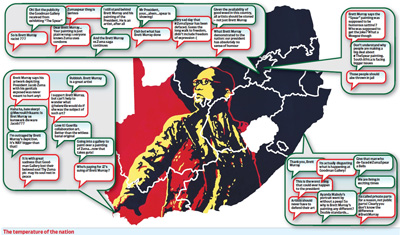
South Africans clash on Twitter over #Zumaspear
South African journalist and arts critic Charl Blignaut made what turned out to be an excellent prediction. “Of all the work on show, it’s this depiction of the president that will set the most tongues wagging and most likely generate some howls of disapproval,” he wrote on May 13 in a review of an art…
Zimbabwe detains, deports award-winning photojournalist
On April 16, 2012, the Zimbabwe Republic Police in the southern border town of Beitbridge arrested Robin Hammond, a freelance photojournalist with dual U.K. and New Zealand citizenship, as he reported on migration between Zimbabwe and neighboring South Africa, government-controlled state daily The Herald reported.
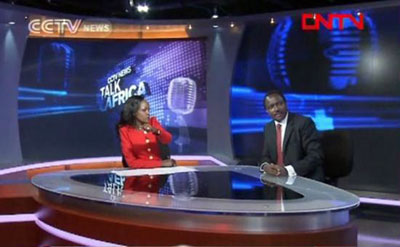
China’s media footprint in Kenya
Will China’s quickly expanding media presence in Africa result in a fresh, alternative, and balanced perspective on the continent–much as Al-Jazeera altered the broadcast landscape with the launch of its English service in 2006–or will it be essentially an exercise in propaganda?
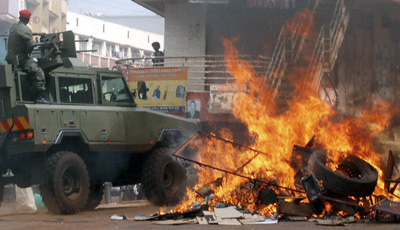
Attacks on the Press in 2011: South Africa
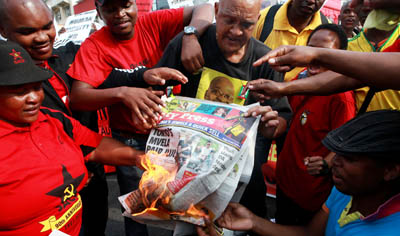
The ruling African National Congress bridled at news media scrutiny of its record on poverty, crime, and corruption, which raised concerns about the durability of post-apartheid democratic reforms. In June, the government announced a new policy to use state advertising expenditures to reward supportive media outlets. Members of the ANC’s youth wing tried to intimidate…
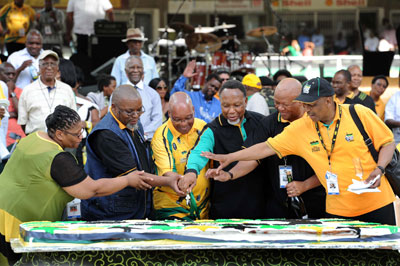
#ANC100 debate lays bare divisions over South Africa media
On January 8, 1912, South African intellectuals–including pioneering black newspaper publishers Pixley ka Isaka Seme, editor of Abantu-Batho, and John Langalibalele Dube, editor of Ilanga lase Natal–formed Africa’s oldest liberation movement, the African National Congress (ANC), in the Wesleyan Church in Bloemfontein.