A legal victory for press freedom in Bility case
Testifying at the Special Court for Sierra Leone in The Hague, Liberian journalist Hassan Bility described a harrowing 1997 reporting trip to Sierra Leone in which he documented Liberian government support for the brutal RUF rebels. His testimony was undoubtedly damaging to defendant Charles Taylor, the former Liberian president on trial for war crimes and…
Can Sierra Leone bring justice in fatal beating of editor?
The case had all the hallmarks of a sordid thriller. There was “a rogue politician, a journalist getting killed, a staunchly incurious police, and the media in frenzy,” veteran journalist Lansana Gberie wrote in the New African, describing the fatal 2005 beating of editor Harry Yansaneh in Sierra Leone.
Getting Away With Murder 2009
CPJ’s Impunity Index spotlights countrieswhere journalists are slain and killers go free New York, March 23, 2009 — The already murderous conditions for the press in Sri Lanka and Pakistan deteriorated further in the past year, the Committee to Protect Journalists has found in its newly updated Impunity Index, a list of countries where journalists…
Ivorian editor abruptly jailed in libel case
New York, March 20, 2009–Ivorian authorities on Thursday abruptly jailed a journalist who was scheduled to appear in court next week on libel charges related to a column critical of the government, according to local journalists and press reports. The imprisonment appeared to violate the 2004 Ivorian press law, which decriminalized press offenses and banned pretrial…
Jailed Burundian journalist acquitted; two others arrested
New York, March 18, 2009–A Burundian online journalist jailed since last September was acquitted today, according to local journalists. In a separate case on Tuesday, however, authorities detained two journalists covering the activities of a former CPJ Press Freedom Award winner, according to the same sources.

For investigative reporters, many risks and some answers
Reporters who dig up carefully buried facts about those in power can easily find themselves in danger. In countries where a tradition of watchdog journalism has not yet taken hold, the risks of practicing investigative reporting can be real and physical for those reporters that take it on.
Former CPJ award winner acquitted in Burundi
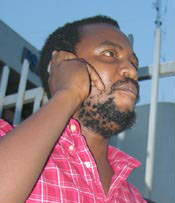
The staff at CPJ was relieved to hear that former CPJ Press Freedom Award winner Alexis Sinduhije was released from prison today. The former radio station director and veteran Burundian journalist was acquitted by a Bujumbura court after serving four months of a two and a half year jail sentence for “insulting the president.” A…
Swazi columnist criticizes king, gets fined … in cows
About two weeks ago, traditional authorities in the mountain kingdom of Swaziland slapped the nation’s most outspoken political columnist, Mfomfo Nkambule, with a fine–to be paid in cows–for criticism of the administration of King Mswati III, Africa’s last absolute ruler.
Madagascar media outlets raided during political crisis
New York, March 10, 2009–The Committee to Protect Journalists condemns Saturday’s ransacking of a TV and radio broadcaster by security forces in the Indian Ocean island of Madagascar. The raid was part of ongoing government efforts to censor independent media coverage of political unrest, stemming from a bitter power struggle between opposition leader Andry Rajoelina…