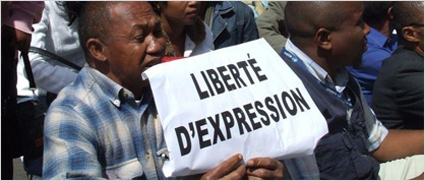
Amid political tumult, jailing draws protest in Madagascar
In Madagascar, dozens of journalists took to the streets of the capital, Antananarivo, to protest the imprisonment of radio presenter Evariste Ramanatsoavina, held since May 4. Ramanatsoavina, a presenter with Radio Mada, a now-banned station owned by ousted president Marc Ravalomanana, faces charges in connection with the station’s political commentary. The case illustrates the volatile…
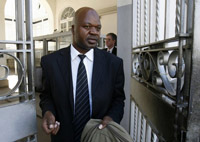
In Republic of Congo, another mysterious fire
A mysterious fire in Republic of Congo this week destroyed property belonging to President Denis Sassou Nguesso. The origin of the fire was not officially determined, recalling a similar murky blaze in January, which led to the death of journalist Bruno Ossébi.
Congolese governor urged to ensure journalist’s safety
Dear Governor Kahongya: We are concerned about the safety of journalist Tuver Wundi Muhindo following an armed attack on his home in the North Kivu capital of Goma on April 12. The incident followed the 2007 murder of Goma photojournalist Patrick Kikuku Wilingula, which is still unsolved. We call on you to use your influence to ensure authorities conduct a thorough and transparent investigation and bring the perpetrators to justice.
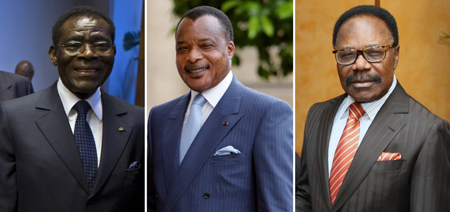
Ossébi’s byline missing as sensitive case moves forward
A French judge on Tuesday authorized an anti-corruption group to pursue a complaint that questions how the leaders of three oil-rich, central African nations amassed their personal assets. One byline was absent in news media coverage: Bruno Ossébi, an online Congolese columnist and one of the few local journalists who had covered the sensitive issue.…
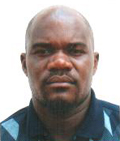
NABJ honors persecuted Zimbabwean journalist
On Thursday, the U.S.-based National Association of Black Journalists announced the winner of its 2009 Percy Qoboza Foreign Journalists Award: Zimbabwean journalist Anderson Shadreck Manyere. Half a world away, however, Manyere, left, lingered in a hospital in the capital, Harare, traumatized by nearly four months of imprisonment, according to his lawyer.
Congolese government reacts to CPJ report
The government of the Republic of Congo reacted over the weekend to last week’s CPJ special report looking into the unsolved death of Franco-Congolese online journalist Bruno Jacquet Ossébi. We welcome the government’s interest in the case and take note that an official spokesman did not dispute our findings.