
Attacks on the Press in 2011: Regulating the Internet
Legislation for Internet security can quickly turn into a weapon against the free press. Cybercrime laws are intended to extend existing penal codes to the online world, but they can easily be broadened to criminalize standard journalistic practices. By Danny O’Brien
Attacks on the Press in 2011: Evolution in Journalist Security
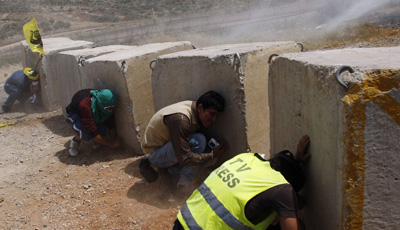
The danger of covering violent street protests has become a significant risk for journalists, alongside combat and targeted killings. Sexual assault, organized crime, and digital vulnerability are also hazards. The security industry is struggling to keep up. By Frank Smyth
Attacks on the Press in 2011: The Year in Photos
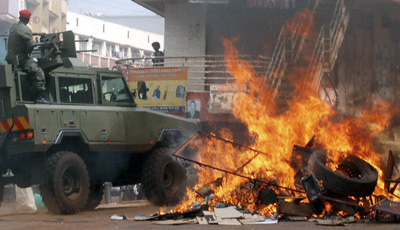
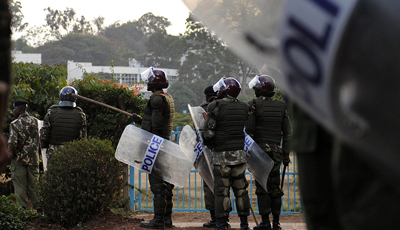
Photographers from The Associated Press, Reuters, Agence France-Presse, and other news outlets documented historic events in 2011, often at great peril. The Year in Photographs: Press Freedom in 2011 features images from the Arab uprisings, South Asia’s armed conflicts, and political repression in the Americas, Africa, and Europe.
Attacks on the Press in 2011: Eritrea
No independent press has operated in this Red Sea nation since a September 2001 government crackdown on dissent that led to the imprisonment of 11 leading journalists without charge or trial and the enforced closure of their publications. President Isaias Afewerki’s administration consistently refused to account for the whereabouts, legal status, or health of the…
Attacks on the Press in 2011: Zimbabwe
Although official anti-press harassment continued a gradual decline from its peak after the disputed 2008 elections, a highly restrictive legal framework kept domestic, independent news sources to a mere handful. The fractious coalition between Robert Mugabe’s ZANU-PF and Morgan Tsvangirai’s MDC failed to implement the media reforms they had pledged to undertake in their 2008…