Ghana’s Supreme Court jails journalist for contempt
On July 2, 2013, nine judges on Ghana’s Supreme Court convicted Ken Kuranchie, editor-in-chief of the Daily Searchlight, of criminal contempt in connection with his critical articles. The journalist was sentenced to 10 days in jail, according to news reports.
KTN reporter threatened for exposing hospital scandal
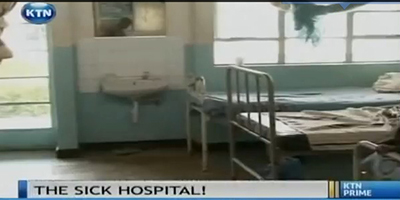
Nairobi, September 5, 2013–A TV journalist has received death threats twice this week following his coverage of wrongdoing at a hospital in the western Kenyan town of Bungoma, according to the journalist and news reports. The Committee to Protect Journalists calls on authorities to immediately investigate the threats and ensure the reporter’s safety.
Malawian minister assaults broadcast journalist
Bodyguards for Economic, Planning and Development Minister Ralph Jooma assaulted Raphael Mlozoa, journalist for the private Zodiak Broadcasting Station, on August 25, 2013, in the southern town of Mangochi, according to news reports. The minister accused Mlozoa of false reporting and ordered his security staff to confront Mlozoa, the reports said.
Sirleaf urged to reform libel laws, free Rodney Sieh
Dear President Ellen Johnson Sirleaf: We call on you to decriminalize defamation; adopt monetary damages for libel commensurate with the harm done and within limits Liberians can afford; and halt the incarceration of defendants unable to pay, which is highly unusual in civil cases. We urge you to facilitate the release of jailed journalist Rodney Sieh and the reopening of his newspaper, FrontPageAfrica.
Q&A: Hubaal’s editor talks about press in Somaliland
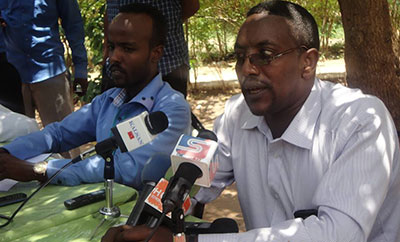
Hubaal, Somaliland’s critical and much-beleaguered daily newspaper, is back on newsstands after a presidential pardon last week. The paper was shuttered on orders of the attorney general in June without explanation. In April, two gunmen, subsequently identified by authorities as police officers, raided the office of Hubaal and attacked its staff after a series of…