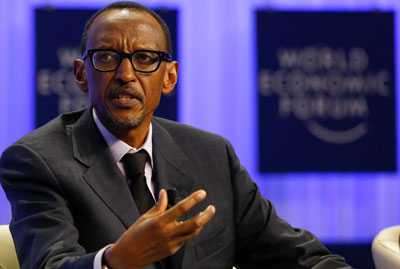
Twitter war shines light on how Rwanda intimidates press
“@RFI speak straight up English, frenchie!! U crying? U started not to make sense,” was one taunting tweet from a certain prolific Twitter account belonging to “Richard Goldston.” The account, since deleted, belonging to a self-proclaimed “anti-imperialist,” repeatedly antagonized Radio France Internationale journalist Sonia Rolley for her critical coverage of the deaths of Rwandan government…
In Swaziland, two held on contempt of court charges
Cape Town, March 19, 2014–Authorities in Swaziland should immediately release Bheki Makhubu, editor of the independent newsmagazine The Nation, and Thulani Maseko, a human rights lawyer, who were imprisoned earlier this week in connection with articles published in The Nation, the Committee to Protect Journalists said today.
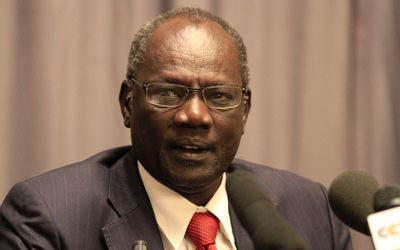
South Sudan government warning: Don’t interview rebels
Last week, South Sudanese Information Minister Michael Makuei warned reporters in the capital, Juba, not to interview the opposition or face possible arrest or expulsion from the country. According to the minister, a lawyer by profession, broadcast interviews with rebels by local media are considered “hostile propaganda” and “in conflict with the law.”

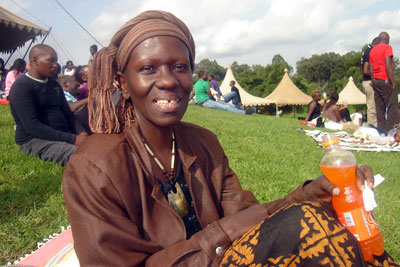
Forced to flee false perceptions, ICC, and Kenyan press
EDITOR’S NOTE: February 15, 2014 marked one year since Omwa Ombara arrived in the U.S. to seek political asylum after attempts on her life in Kenya between May and December 2012. She fled her native land after being contacted by International Criminal Court (ICC) investigators probing the violence that followed the Kenyan elections in 2007-2008,…
Kenya media, security forces soul search after Westgate
Should journalists expect support and protection from security agents when they risk their lives to report on security operations? What if their coverage could potentially expose military strategies? Why are journalists disparaged as unpatriotic when they show how security operations fail?
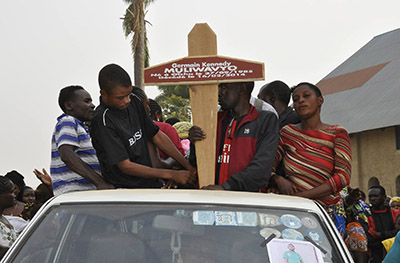
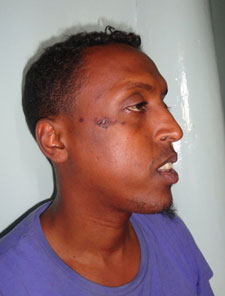
Somali authorities detain two radio directors without charge
Nairobi, February 14, 2014–The Committee to Protect Journalists is gravely concerned by reports that two radio directors in the capital, Mogadishu, were arrested and held without charge for two days by Somalia’s National Security Agency. Somalia authorities detained two radio directors for two days and threatened to kill them if they continued to air news…