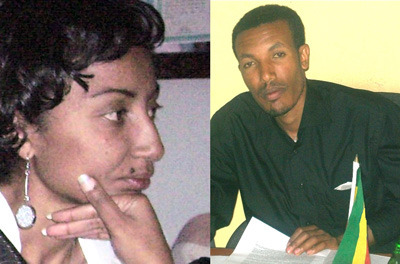
Ethiopia accuses two jailed journalists of terrorism plot
New York, June 29, 2011–The Ethiopian government today publicly today accused an editor and a columnist of involvement in a terrorism plot, according to news reports and local journalists. Woubshet Taye, deputy editor of the leading Awramba Times newspaper and Reeyot Alemu, columnist for the weekly Feteh, have been held incommunicado under Ethiopia’s far-reaching anti-terrorism…

Ethiopian journalist likely held under anti-terrorism law
New York, June 23, 2011–Ethiopian authorities have been holding a newspaper columnist incommunicado since Tuesday, local journalists told the Committee to Protect Journalists. Reeyot Alemu, a regular contributor to the independent weekly Feteh, was expected to spend the next four weeks in preventive detention under what appears to be Ethiopia’s sweeping anti-terrorism law. Alemu,…
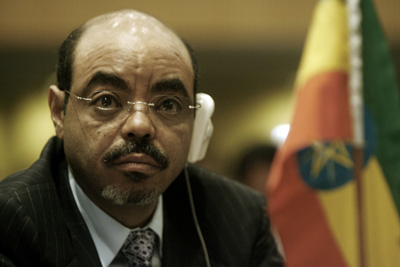
In Ethiopia, anti-terrorism law chills reporting on security
How can an Ethiopian reporter cover the activities of Ethiopia’s leading opposition figure, Berhanu Nega, or an attack by the Ogaden National Liberation Front (ONLF) rebels without risking prosecution and a 20-year prison sentence? Such questions have haunted Ethiopian journalists since a far-reaching anti-terrorism law came into effect in 2009. The law criminalizes any reporting…
Ethiopian journalist illegally detained since Sunday
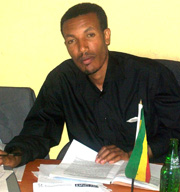
New York, June 21, 2011–The Committee to Protect Journalists called on Ethiopian authorities today to immediately release journalist Woubshet Taye, at left, who has been held since Sunday.Police picked up Taye, deputy editor of the leading independent weekly Awramba Times, at his home in the capital, Addis Ababa, at 3 p.m. and confiscated several documents, cameras,…
The Internet in East Africa: An aid or a weapon?
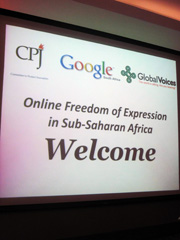
Frank Nyakairu has seen it all. A veteran war reporter, he has covered the horrors of northern Uganda and Somalia, among others places. And throughout this time of rich but often appalling experiences, he has also seen the auspicious–and sometimes terrifying–impact the Internet has had on East African reporters. Nyakairu spoke at a recent workshop held…
Ethiopia censors UNESCO World Press Freedom Day event
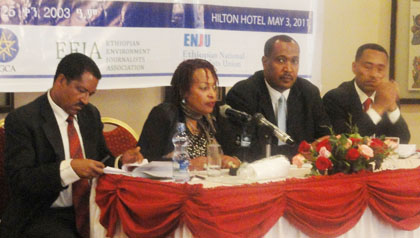
New York, May 5, 2011–Officials in Ethiopia hijacked a local UNESCO-sponsored World Press Freedom Day event, installing government-backed journalists as speakers and nixing independent journalists slated to speak. There was no discussion, as originally planned, of this year’s global theme on new media and the Internet at the Tuesday forum, according to local sources and…
The 10 Tools of Online Oppressors
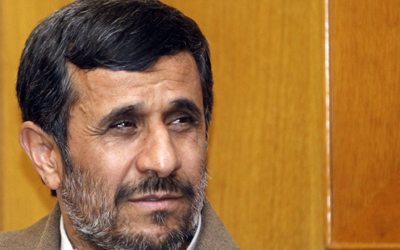
The world’s worst online oppressors are using an array of tactics, some reflecting astonishing levels of sophistication, others reminiscent of old-school techniques. From China’s high-level malware attacks to Syria’s brute-force imprisonments, this may be only the dawn of online oppression. A CPJ special report by Danny O’Brien
Audio Report: The 10 Tools of Online Oppressors
In our special report, “The 10 Tools of Online Oppressors,” CPJ examines the 10 prevailing strategies of online oppression worldwide and the countries that have taken the lead in their use. In this accompanying podcast, CPJ Deputy Director Robert Mahoney notes that these strategies range from sophisticated cyber-attacks to traditional brute-force techniques. Listen to the…
Ethiopia should allow German broadcasts
New York, April 11, 2011–The Committee to Protect Journalists is calling on authorities in Ethiopia to ensure that broadcasts of the German state-funded station Deutsche Welle, which had been jammed, be allowed to air freely. Local journalists confirmed a report by the Bonn-based international broadcaster that its programs were inaudible in Ethiopia last week until…