International Women’s Day 2026
International Women’s Day highlights the structural barriers women face across professions, including journalism. The Committee to Protect Journalists’ (CPJ) reporting and safety work shows that gender shapes how journalists experience threats, from coordinated online harassment and digital surveillance to physical violence, detention, and displacement.
Across regions, CPJ has documented coordinated online abuse campaigns targeting women journalists, often intended to silence reporting or push journalists out of public discourse. These attacks include gendered harassment, smear campaigns, and threats that escalate beyond digital spaces.
Challenges reporting the news
Women journalists covering sensitive issues — including corruption, gender-based violence, or political accountability — face additional risks.
In conflict and war environments, gendered threats can intensify. Reporting by CPJ has documented the siege conditions faced by journalists in Sudan and the extreme pressures faced by women journalists reporting in Gaza. Afghan women journalists have continued reporting in exile under Taliban restrictions. Journalists reporting on sexual violence in Russia have highlighted how gender has affected access to sources, legal exposure, and personal safety.
These pressures have direct consequences for press freedom. When gendered threats push journalists toward self-censorship, displacement, or exiting from the profession, audiences lose independent reporting and diverse perspectives.
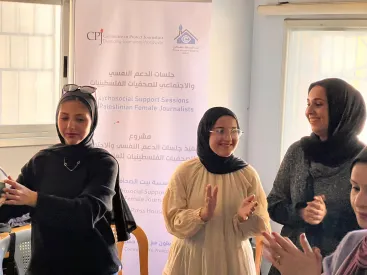
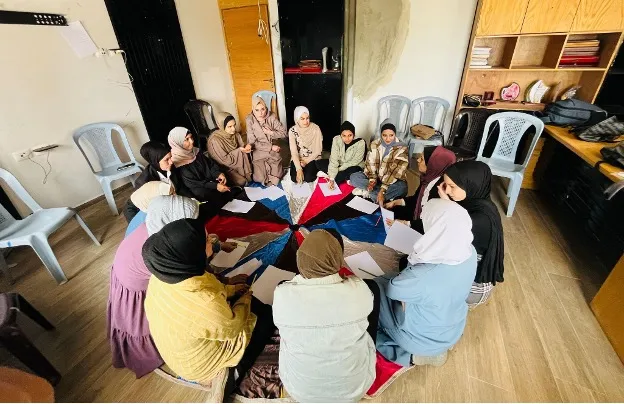
Women journalists take part in an exercise during a psychosocial support session in a joint Press House-Palestine, CPJ project.
(Photo: Courtesy of Press House-Palestine)
How CPJ supports women journalists
CPJ provides practical support to journalists facing threats through emergency response, advocacy, and safety resources.
In 2025, CPJ provided support to 339 women journalists worldwide, including by providing grants covering emergency response costs, such as relocation. CPJ provided digital security and online harassment guidance and physical safety advice, with a particular attention to women journalists who faced online harassment campaigns. CPJ also developed two tailored assistance projects addressing mental health challenges affecting women journalists. Last year, the majority of women journalists CPJ supported were based in Gaza, followed by Venezuela, the Democratic Republic of the Congo, and the United States. Incidents included women being threatened, harassed or attacked while reporting, including in conflict zones.

Safety resources
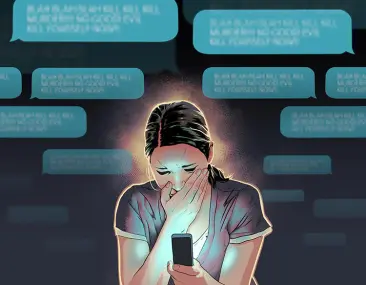
Gender-based online harassment remains one of the most persistent threats facing women journalists. CPJ’s reporting has documented how coordinated digital abuse, smear campaigns, and identity-based attacks are used to intimidate women reporters, undermine their credibility, and push them out of public discourse. These pressures can affect both personal safety and professional participation, with broader consequences for press freedom.

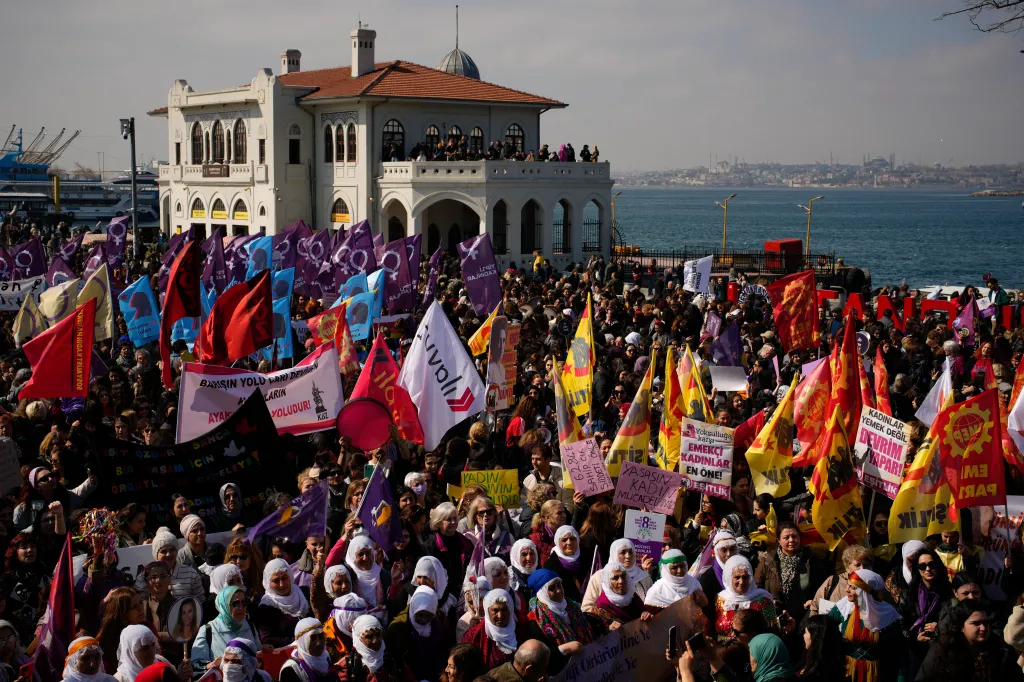
Featured image: Women attend a protest marking International Women’s Day in Istanbul, Turkey. (Photo: AP/Emrah Gurel)