New York, October 9, 2026—The Committee to Protect Journalists calls on South African authorities to ensure the safety of News24 investigative journalist Khaya Koko, who received numerous threats after the leader of the anti-immigration group March and March published his phone number on Facebook.
“Doxxing a journalist simply for seeking legitimate comment is an attack on press freedom. It’s not only dangerous and irresponsible, but a blatant act of intimidation,” said CPJ Africa Director Angela Quintal. “Authorities must credibly investigate the threats against Khaya Koko and ensure journalists can work without fear by acting swiftly against those responsible for this appalling harassment.”
On October 7, March and March’s founder Jacinta Zinhle Ngobese-Zuma published a screenshot of a WhatsApp message from Koko asking her to comment on allegations that she and her husband receive millions of rand in contracts from the South African state.
Koko subsequently received more than 100 calls and numerous abusive messages, including death threats, according to the journalist and the South African National Editors Forum.
“I’ll hunt you. And I will find you, I’ll make an example of you,” said one post, while another said, “I hope you die.” A third proposed creating a group chat “to teach him a lesson,” according to CPJ’s review.
“I was distraught. I didn’t know what to do,” said Koko, who did not know he had been doxxed until a friend told him.
The post has been edited to hide Koko’s number after News24 served Ngobese-Zuma with a demand letter on October 7, with a 24-hour ultimatum, that she delete the post, call on her followers to obey the law, apologize, and undertake not to publish the journalist’s personal information again.
At the time of publication, the post was still online, and Koko said he had not received an apology.
CPJ’s emailed query requesting comment from Ngobese-Zuma did not receive any response.
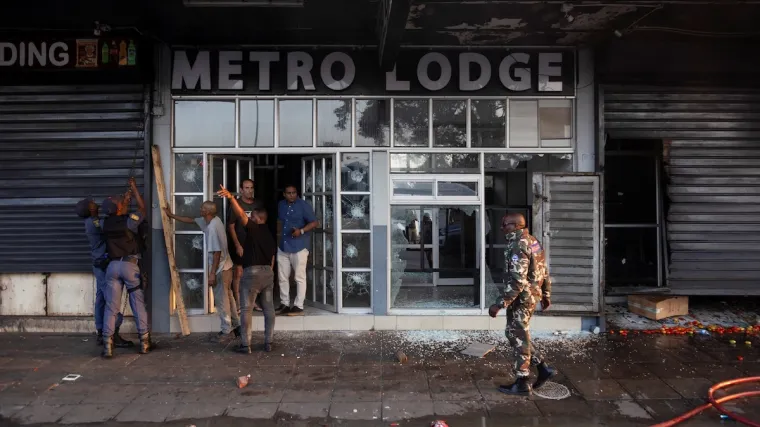
During the October 8 anti-migrant protests in Durban, journalists from GroundUp were pushed, grabbed, kicked, and prodded with sticks, the nonprofit news outlet reported, adding that protestors also grabbed their cellphones while they were filming. The next day, another GroundUp reporter assigned to cover a protest in Pretoria was slapped and had his mobile device briefly taken away in an attempt to stop him from filming, the outlet’s editor Barbara October told CPJ via phone.
In June, CPJ documented 15 incidents of journalists targeted by anti-migrant protestors across South Africa.