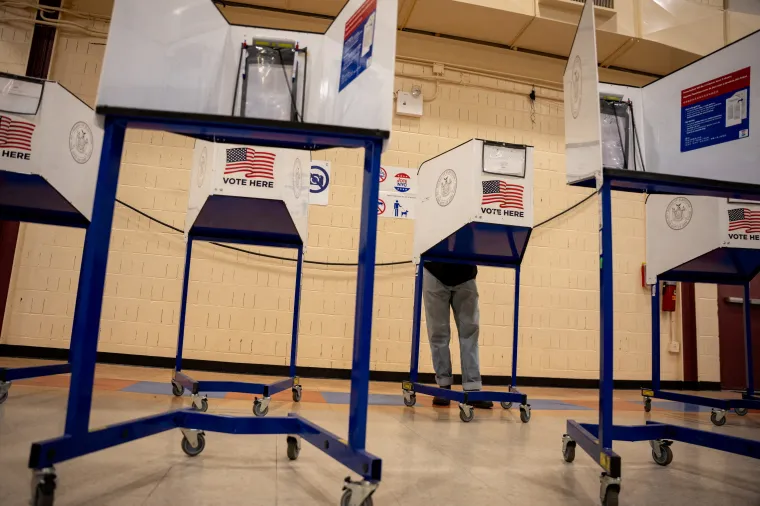
The 2026 U.S. midterm elections will take place next week amid a constant drumbeat of press freedom violations, ceaseless vitriol against journalists from the Trump administration, and direct threats to the press across the U.S.
Globally, elections are risky for journalists, whether reporting from polling sites or working online. Intensifying attacks against journalists in the U.S. mean newsrooms should already be preparing their staff and freelancers not only for Election Day, but what comes next, and in the weeks and months ahead.
“Given the dangerous and evolving landscape for press freedom and journalist safety across the U.S., the importance of safety training and resources for journalists in this country has never been greater. We are paying close attention to local journalists, who face greater risk reporting within their communities during a highly polarized time,” says CPJ Chief Emergencies Officer Lucy Westcott. “Whether it’s digital safety best practices, navigating protest coverage, or making sure journalists know where to get mental health support, we’re helping reporters stay safe amid the crushing reality of being a journalist in the U.S. right now.”

Intensifying attacks against journalists
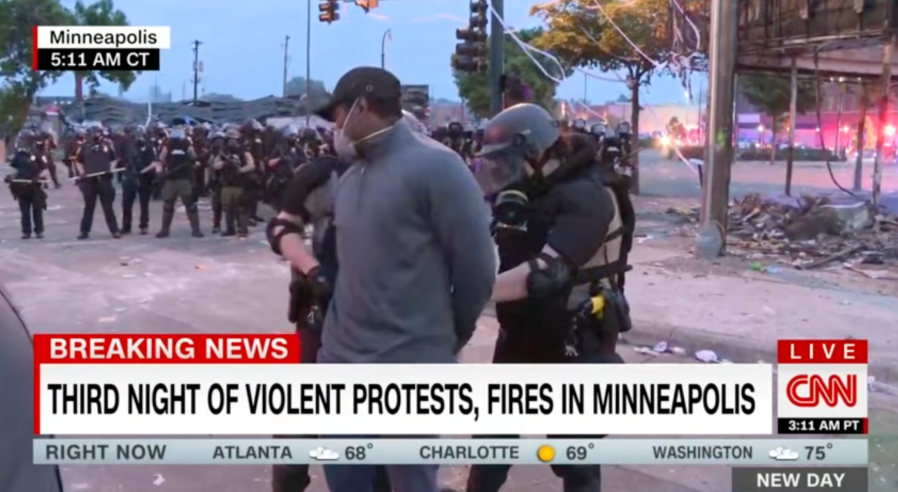
Journalists across the country, regardless of their medium and beat, are operating amid a roiling emergency and daily threats to their profession and safety. Whether holding a camera, a pen, a phone, or a notebook, more than a decade on from the introduction of “fake news” and “enemies of the people” into the national lexicon, there has been a near-total evaporation of the expectation of press safety in the United States. Moments appear like flashes in the spiral of decline: CNN journalist Omar Jimenez and his colleagues being arrested while on-air in Minnesota in 2020, or Australian journalist Lauren Tomasi leaping in pain after being shot by police while reporting live from protests in Los Angeles in 2025.
Those covering the U.S. midterms are reporting within a drastically decaying environment for press freedom and safety. Since the beginning of 2026, 166 press freedom violations have been recorded against journalists by the U.S. Press Freedom Tracker, including arrests, assaults, and the issuing of subpoenas, all connected to their reporting.
CPJ has seen a marked increase in requests for physical, digital, and psychosocial safety assistance from U.S.-based journalists, who know this training and knowledge is now crucial to keeping them safe while reporting. In 2021, CPJ supported 34 U.S.-based journalists with safety training and emergency financial support, which swelled to 959 journalists just four years later, a more than 2,000 percent increase. The U.S. Journalist Assistance Network (JAN) was created in 2025 to give an ever-growing number of U.S.-based journalists a fast and direct way to access support, training, and safety information.
How CPJ has supported journalist safety in 2026
Declining press freedom in the U.S. and heightened risks for journalists has impacted not only the physical and digital safety of reporters, but also their mental health. Amid intense immigration crackdowns in Minnesota earlier this year, CPJ quickly set up with partners an emergency fund to support more than two dozen local journalists on the frontlines of this coverage with mental health support and personal safety equipment.
CPJ has spoken with newsrooms serving diaspora populations who report feeling exhausted and anxious about continued immigration enforcement in their communities. In Minnesota, journalists told CPJ of the disbelief that the violence they witnessed could happen in the cities they call home. Editors covering Minnesota endured 24-hour shifts, reviewing graphic images and testimony, and carrying the colossal weight of caring for their journalists on assignment. CPJ and our partners have long supported journalists in the U.S. with mental health support, and will continue as long as journalists need it.
Across the country, CPJ has so far in 2026 provided more than 400 journalists with physical, digital, psychosocial, and legal safety training, including safety workshops focused on this election. Digital safety and intensifying surveillance across internet platforms are primary safety concerns for journalists in the U.S., with nearly 60 percent of CPJ’s 2025 safety training workshops including digital safety as a primary focus.
How to shore up press freedom in the U.S.
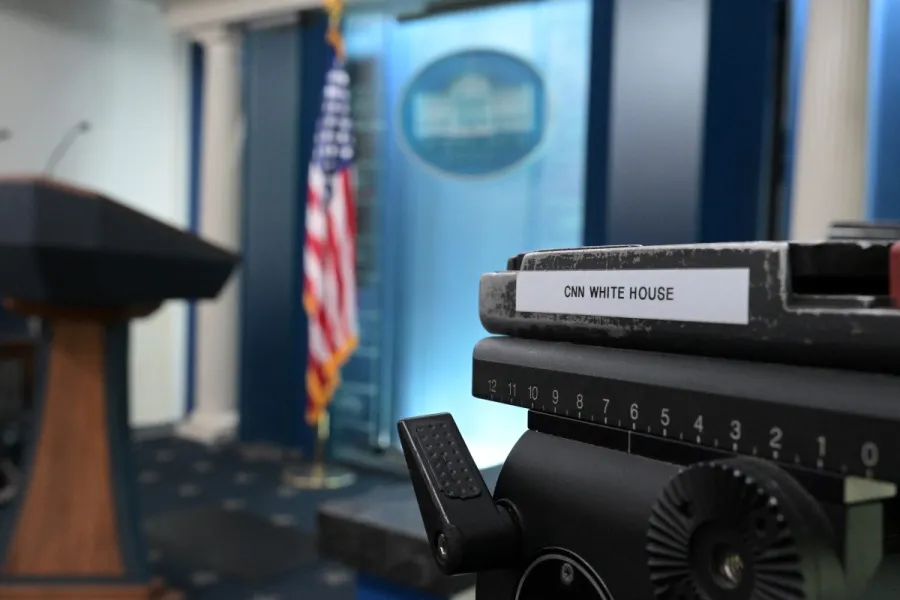
As CPJ continues to keep journalists across the U.S. safe, attacks against the press have taken on an even sharper edge as the midterms have drawn closer. Following the ban on news outlets CNN, MS NOW, and Politico from accessing the White House, CPJ joined a legal effort to restore their access. While it remains in place for now, the ban marks “one of the most aggressive uses of legal powers against the press in the United States in decades,” says Jose Zamora, CPJ’s Americas Regional Director.
Similarly, government directives under the Trump administration have been weaponized to crackdown on press freedom, undermine the rule of law, and block Congress from upholding its oversight role in protecting First Amendment rights. Journalists and media outlets have been threatened with retaliation over unfavorable news coverage as part of an intensifying system of repression that lawmakers must move quickly after midterms to dismantle.
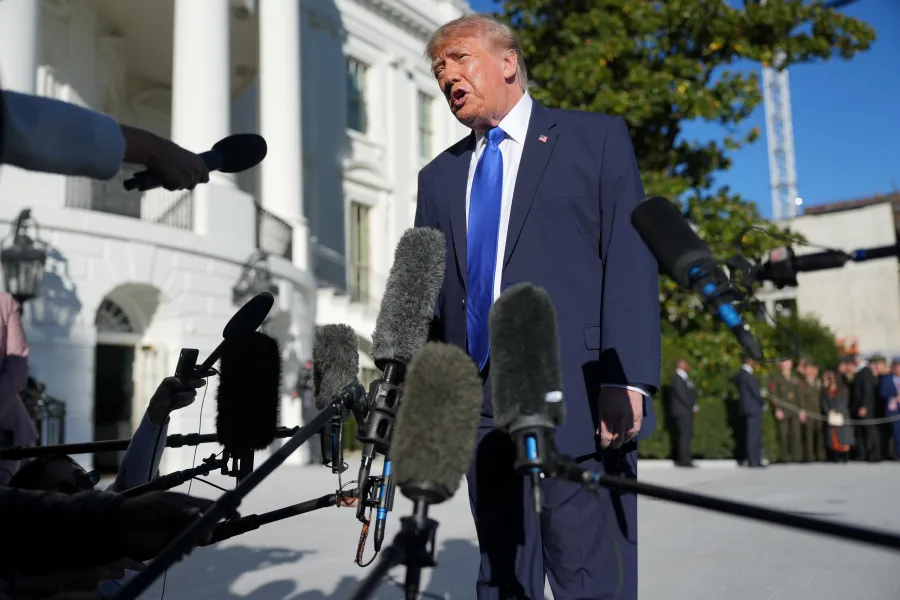
“Tactics to suppress the press that are the hallmarks of authoritarian regimes have become the norm under the current US administration,” said CPJ CEO Jodie Ginsberg. “A free press is a fundamental public good. Those elected to serve the American people need to rediscover a backbone and rigorously defend a free press. Media organizations must equally refuse to be bullied and stand forthright in their defense of the First Amendment.”
The litany of government-led attacks against the press has sparked national attention over the past year. At least 10 journalists have been subpoenaed this year in publicly reported cases as the Trump administration has attempted to stem government leaks by using subpoenas to pressure journalists to reveal their sources. Journalists reporting on protests face unprecedented charges, including independent reporters Don Lemon and Georgia Fort, who were arrested along with other journalists while covering a protest in a St. Paul church. They face felony charges, including under the KKK Act that is intended to protect Black Americans’ constitutional rights.
Press access continues to be squeezed and shuttered. New and stringent visa restrictions on international journalists will curtail the ability for reporters to do their jobs of reporting in and from the U.S., while the Defense Department has restricted press access at every possible turn during a period of war. Officials overhauled rules for press spaces in the Pentagon that have existed for over 75 years, and the press continues to be shut out during ongoing legal battles, as federal judges initially sided with the press and then the government implemented different rules.
Any one of these incidents is cause for alarm, placing the U.S. in the same breath as authoritarian countries whose withering press freedom records CPJ has long documented. Collectively they show what CPJ has known for years: Press freedom and journalist safety in the U.S. has long since passed a crisis point.
5 ways journalists can protect themselves while covering elections
Carry out a Risk Assessment
Journalists covering the midterm elections should conduct a brief risk assessment, which will help you to understand any dangers a journalist might be exposed to while reporting, assess how to mitigate those risks, and include a communication and contingency plan. Having a conversation about potential risks with an editor or colleague is a crucial step to ensuring your safety while reporting. Editors can use CPJ’s Editor’s Safety Checklist to work through considerations protecting their journalists while on assignment. Editors, journalists, and news managers can also use JESS, an AI tool, for safety planning and guidance, and to conduct a risk assessment.
Understand the Physical Safety Risks
Covering elections comes with a risk to journalists’ physical safety. Journalists reporting from protests and rallies, as well as polling sites, should be mindful of their situational awareness. Ideally, journalists will report alongside a colleague. To learn more about how to minimize risk, see CPJ’s guidance on how to report safely from protests and rallies.
Know the Digital Safety Risks
CPJ and the U.S. Journalist Assistance Network (JAN), a coalition of U.S.-based journalist safety and press freedom organizations, have a list of resources for journalists to protect their digital safety, including safeguarding journalistic information and communicating safely with sources. Journalists should review these digital safety resources ahead of the U.S. midterm elections.
Know Your Rights as Journalist
Updated ahead of this coming election, CPJ’s Know Your Rights guide for U.S.-based journalists helps reporters understand their legal rights while reporting as legal pressures and questions against the country’s press continue to mount. This includes First and Fourth Amendment protections, as well as specific guidance for journalists reporting in Atlanta, Chicago, Los Angeles, Minneapolis, New York City, and Washington, D.C.
Mental Health Considerations
Practicing holistic safety also means taking care of your mental health and resiliency, and that of your colleagues. Editors should ensure journalists are given time and space after an assignment to decompress, and have the tools needed to support them through stress and burnout.