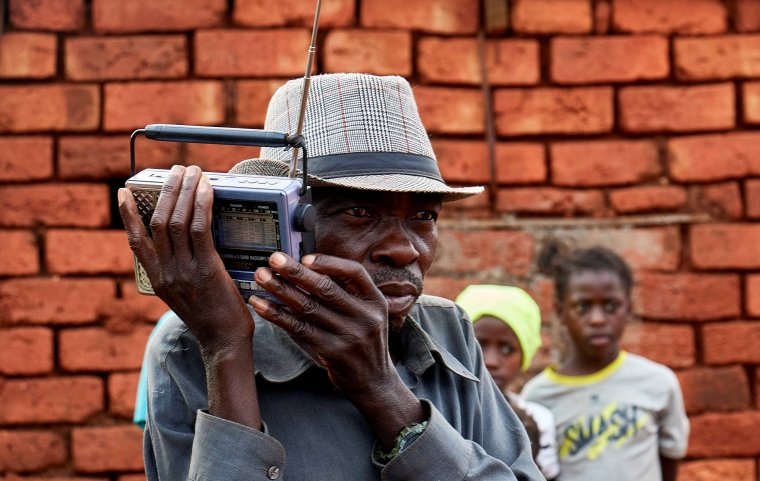
Government-allied Wazalendo militiamen have threatened to kill or capture one reporter and to burn down another’s radio station because of unfavorable coverage, as frontlines shift under diplomatic pressure for peace in eastern Democratic Republic of the Congo.
The Rwanda-backed M23 and Congo River Alliance (AFC) rebels — who made unprecedented territorial gains in early 2025 — withdrew from several parts of South Kivu province in May, after the United States sanctioned DRC’s former President Joseph Kabila and the Rwandan army. The U.S. alleged that Kabila and neighboring Rwanda were supporting the rebel alliance in violation of December’s faltering peace agreement to end the decades-old conflict — a move Rwanda condemned as one-sided.
For journalists on the ground, the shifting frontlines have increased the risks they face reporting on intense clashes and drone strikes in civilian areas. None of the myriad warring parties are comfortable with the press reporting freely on their activities. Many journalists have fled eastern DRC, while those who remain face threats from both sides.
‘Keep publishing your stories and you’ll be killed’
Radio Tuungane’s Anne Nanduhura told CPJ she was threatened three times in June over her reporting on the government’s attacks and blockade of South Kivu’s Minembwe commune, a current hotspot and home to the Banyamulenge ethnic minority. The strategic highland area was captured in 2025 by the Twirwaneho, a Banyamulenge armed group allied with the M23/ AFC.
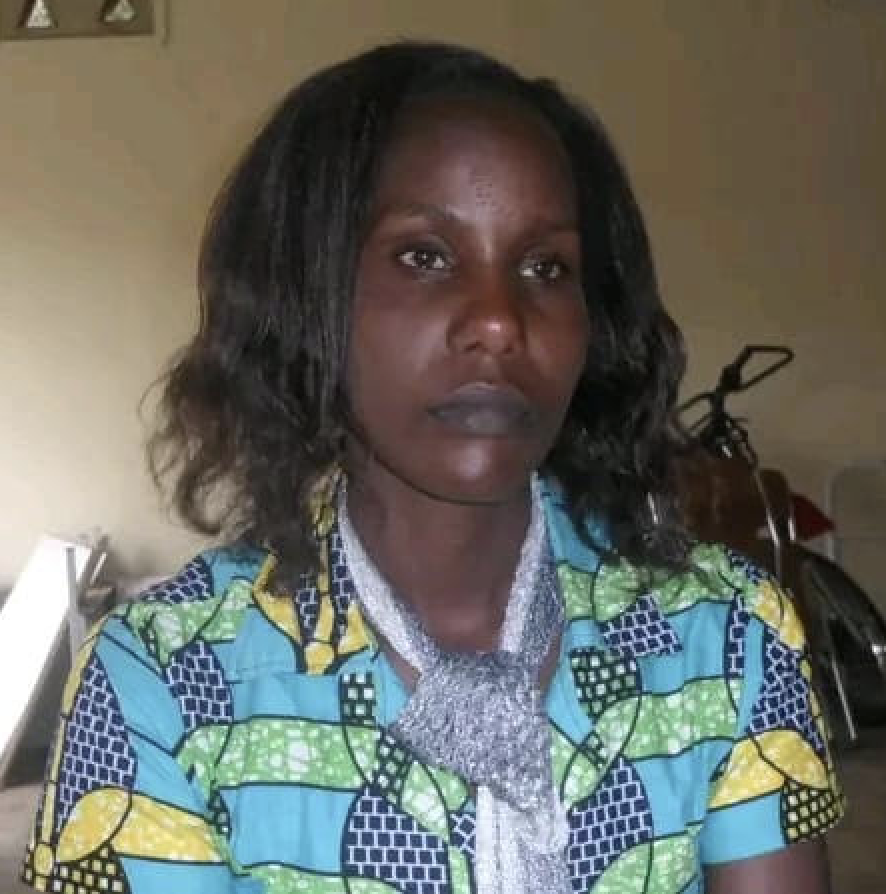
In a bid to regain control, the government and its Wazalendo allies have encircled the area, forcing people to flee and preventing the delivery of food, medicines, and humanitarian aid. Fighting continues.
“I have produced several reports focusing on drone strikes, the conflict’s impact on civilians, and the humanitarian blockade,” said the Minembwe-based mother of five, whose husband, a nurse, was killed by a drone strike in 2022.
“I now live in constant fear. I worry about being arrested, attacked, or killed because of my professional work … The security situation in our region is extremely concerning.”
In March, Radio Tuungane was bombed twice by drones and the Wazalendo threatened a staff member over reporting that implicating their forces in abuses. Both the government and the rebels have carried out high-profile drone strikes this year — a growing threat to journalists worldwide.
Nanduhura said she received two threatening phone calls from men who said they were with the Wazalendo. Three other local professionals, who spoke to CPJ on condition of anonymity, citing fear of reprisals, corroborated Nanduhura’s account. The third threat — a text message reviewed by CPJ — appeared to be from the Wazalendo or army, as it referred to their efforts to regain Minembwe.
Nanduhura said she received the first threat on June 8, following her online report that two people had been killed and six injured the previous day by government drone strikes in Ilundu locality.
“Keep publishing your stories and you’ll be killed,” the caller said.
In a June 10 call, a second man who identified himself as Katete again told Nanduhura that she would be killed for that report.
A June 20 WhatsApp message said, “Anne, if we retake Minembwe, you will be our woman,” after she reported that the army and Wazalendo were blocking a key supply route into the locality.
Journalist hiding after Wazalendo threaten to torch his station
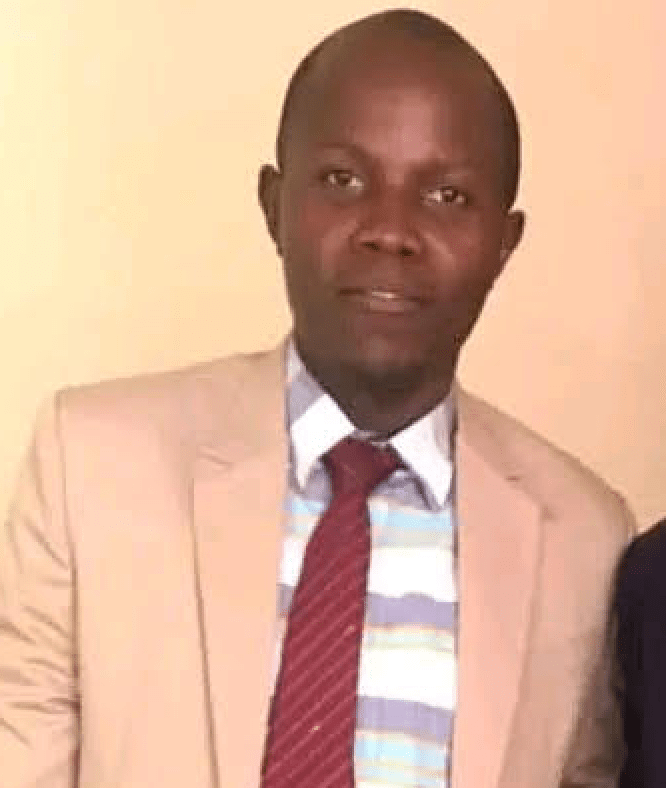
Zachee Nabihazire Kalume, director of Radio Faraja, told CPJ that he has been in hiding since late June after receiving multiple death threats, by phone and text message, from a Wazalendo leader called Nehémie Ndaheba.
In May, the rebels withdrew from several towns in South Kivu’s Ruzizi Plain, including Sange, where Radio Faraja is based, allowing government and Wazalendo forces to advance.
On June 1, Ndaheba threatened to burn down the radio station because its reporting was undermining his militia’s morale. In several messages, he complained about its broadcast of a May 30 order by the government’s Brigadier General Jean-Jacques Ilunga Kabamba, in which he instructed Wazalendo fighters to leave Sange so that the army’s special forces could secure the area.
CPJ reviewed all six threatening messages, dated June 1, 7, 11, 16, 19, and 28, and interviewed two other journalists familiar with the case, on condition of anonymity for security reasons, about the incidents.
Ndaheba did not respond to CPJ’s requests for comment via phone and messaging app.