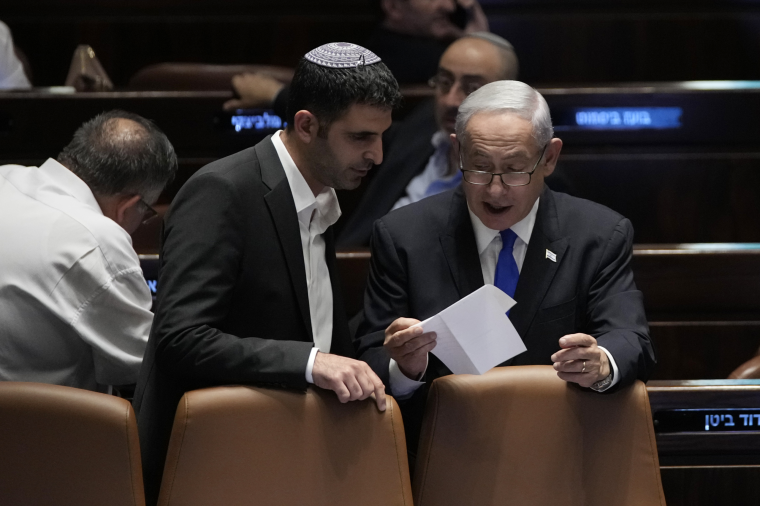
Two years into Israel’s genocide in Gaza, press freedom inside the country has reached a breaking point. Journalists report escalating censorship, harassment, and self-censorship that, they say, now functions as “part of the war effort.”
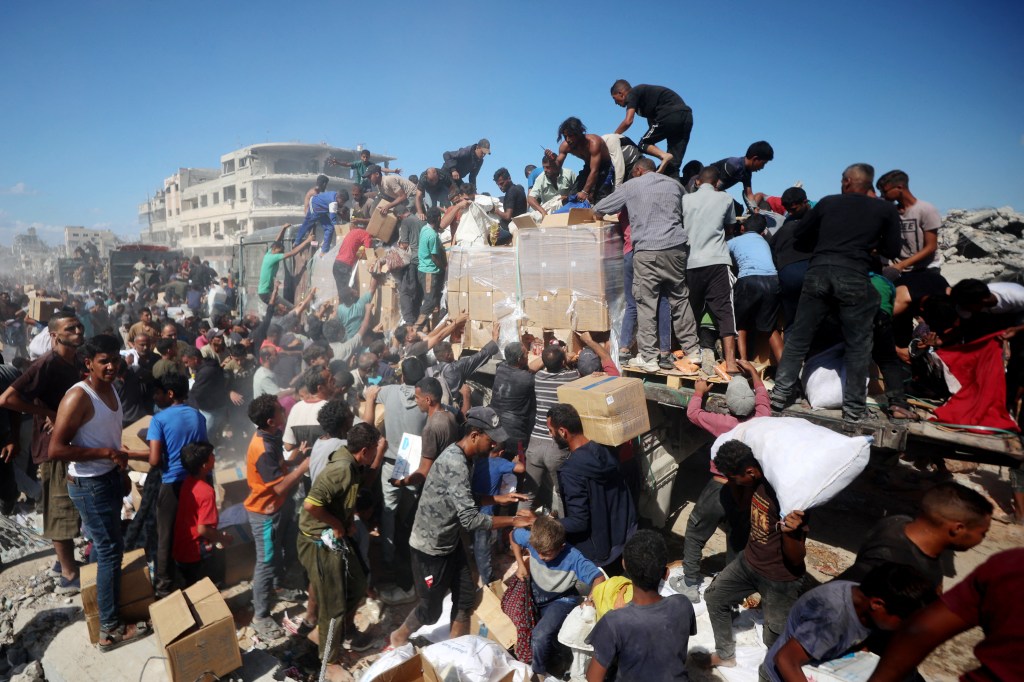
Independent reporting has sharply declined, leaving the Israeli public with a distorted view of the conflict. An October 2025 report by the Israeli think tank Molad found that only 3% of Channel 12’s coverage in the first six months of the war referenced the humanitarian crisis in Gaza, and only two of 206 war-related visuals showed Palestinian civilian casualties.
“The Israeli media decided, and decides anew every day, that we will not report on the humanitarian situation,” Haaretz reporter Nir Hasson told CPJ. “The Israeli media is part of the war effort.”
This decline has occurred amid rising government pressure, military censorship, physical and online attacks, and security restrictions — all of which constrain the public’s access to information about what human rights groups and UN experts have determined to be a genocide.
State narratives dominate
Coverage of the war provided by major centrist and right-leaning platforms such as Channel 12 and Channel 14 largely echoes military talking points and state narratives aimed at justifying the response to Palestinian militant group Hamas’s attack on southern Israel on October 7, 2023. Channel 14, a pro-Netanyahu news channel with the second-greatest viewership in the country, has a particular record of featuring inflammatory rhetoric, including calls for further destruction in Gaza.
Polling indicates that most Israelis believe their media provides balanced coverage of the war, even as major developments inside Gaza are often misrepresented to downplay civilian casualties or overshadowed in favor of prominent coverage of the Israeli hostages.
Mainstream news outlets face mounting challenges to their efforts to report on the civilian toll of the Israeli operations in Gaza. Dominant among them, Hasson told CPJ, is the pressure to self-censor.
This, he said, is in no small part a long-standing sense of patriotic loyalty to the country and to Israel’s military strategy in Gaza. He argues that mainstream Israeli media feel they “cannot afford to speak or take pity on our enemies now.”
Ayala Panievsky, a media researcher at Molad, told CPJ that journalists often modify language in reporting, such as refraining from using the word ‘occupation,’ so as to avoid being branded a “leftist traitor.”
Government pressure and military censorship
Much of this self-censorship is rooted in a decade-long campaign by Prime Minister Benjamin Netanyahu to undermine the free press. “Netanyahu has had this very long history of targeting media outlets — trying to infiltrate or undermine the media by takeovers, by shutting down outlets, by opening new outlets, by intervening in the ownership structure, or trying to plant his analysts or his kind of editors within different teams,” +972 Magazine journalist Haggai Mattar told CPJ.
Since October 7, these pressures have only intensified. Ministers have sought to permanently ban media outlets seen as critical of Israel’s military operations, privatize and weaken public broadcasting, and direct government advertising towards politically aligned platforms.
Meanwhile, journalists must also contend with censorship by the military and Israeli police. The military censor, a legacy of British colonialism, has broad jurisdiction, legally requiring journalists to submit any security-related articles for its review prior to publication.
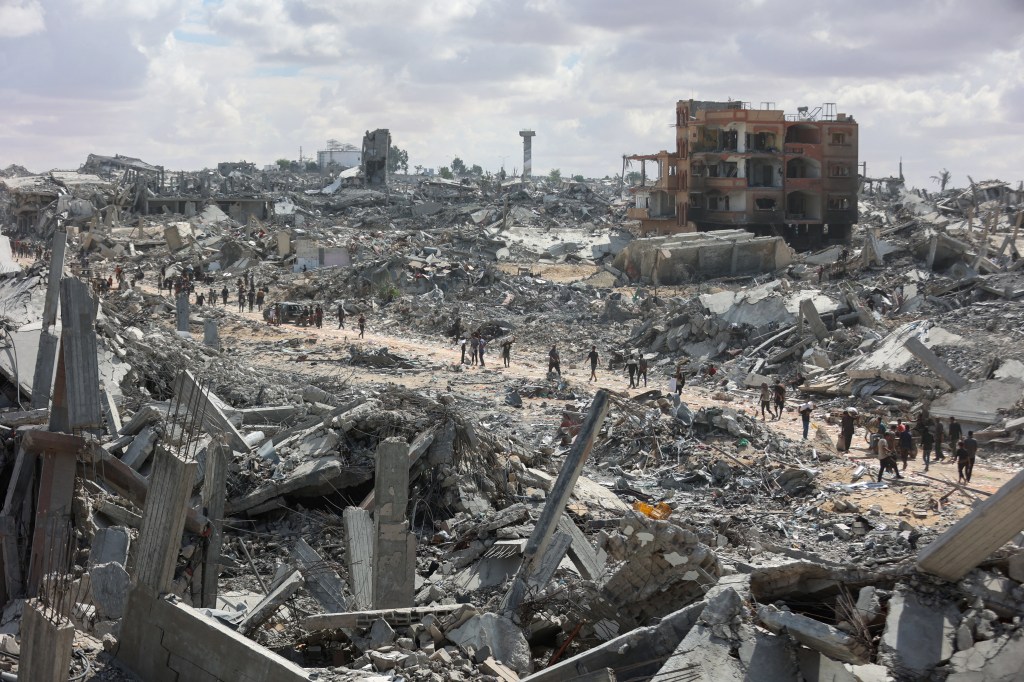
Independent publication +972 Magazine found that military censorship of Israeli media reached its highest rate in over a decade in 2024, with an average of 21 news reports retracted or modified by the censor per day.
This impact is invisible to the public, as news outlets are prohibited from indicating when reporting has been censored. Rare leaks show that such stories have included the military’s operational details and the Netanyahu family’s financial transactions.
The military cannot censor articles simply for including content that could damage the state’s reputation. Mattar argues, however, the censor targets information that is “100% meant to protect Israel’s reputation.”
For example, it prohibited +972 Magazine from attributing certain quotes to unnamed sources affiliated with the military in a bid, Mattar said, to diminish the sources’ reliability.
Harassment, attacks, and detentions
Outlets and journalists engaging in critical reporting risk harassment, attacks, and detentions by security forces and civilians who aim to deter and silence their coverage.
Palestinian journalists have long faced such threats, with increasingly severe instances of discreditation and violence amid the state of emergency since October 7th, including detentions and access restrictions.
Reflecting upon her personal experiences reporting within Israel since the war began, independent journalist Iman Jabbour told CPJ that civilians have begun to “take the law into their hands” to silence Palestinian journalists, verbally threatening them mid-broadcast and attempting to seize or damage their equipment.
Like their colleagues in Gaza, Palestinian journalists in Israel are smeared as terrorists and, as a result, made targets in the eyes of Israeli society.
“October 7th changed everything,” independent journalist Samir Abdulhadi told CPJ. “Every Arab reporter is guilty, it doesn’t matter if you work for Israeli broadcasting or work for Israeli television channel i24 —- as long as you speak Arabic, then you are guilty.”
In the face of such injustices, Palestinian journalists are met with limited avenues for redress. “[Israeli authorities] can tell you whatever they want — ‘it’s a state of emergency, we are in a time of war’ — and none of us would want to go head to head with them in court because they might take my press card away from me,” Jabbour said.
While Palestinian journalists face the greatest risks for their reporting, Jewish Israeli journalists have also been targeted. In November 2025, Channel 12 journalist Guy Peleg was targeted with harassment and intimidation from right-wing politicians and activists for his coverage of alleged sexual assault committed by Israeli soldiers against a Palestinian detainee in the Sde Teiman detention facility.
Yuval Avraham, +972 Magazine journalist and co-director of the Oscar-winning film “No Other Land,” received death threats against himself and his family after a February 2024 speech in which he decried the “situation of apartheid” and called for a ceasefire in Gaza.
In June 2024, Haaretz’s Hasson was among several journalists attacked by right-wing Israeli youth while covering the notorious Jerusalem Day march; that same day, the glass entrance to the office of Haaretz was smashed. In July 2025, journalist Israel Frey was arrested and detained by Israeli police on suspicion of incitement for terror, based on a social media post.
Jewish Israeli journalists and media outlets who break the national consensus on Israel’s military operations within Gaza and the West Bank are also smeared and discredited by government officials and peer reporters.
In November 2024, for example, when the Israeli cabinet voted unanimously to sanction Haaretz, ending all government ads and terminating government subscriptions to the paper, the move was attributed by Communications Minister Shlomo Karhi to Haaretz’s calls to “impose sanctions against [Israel] and support the state’s enemies in the midst of a war.”
When Jewish Israeli journalists use Palestinian reporting about Gaza, or express support for their Palestinian colleagues, they are accused by fellow Israeli journalists of lending cover to supporters of Hamas.
Mattar said the attacks on Palestinian journalists impact all Israeli newsrooms.
“Banning Al Jazeera, banning foreign journalists from entering Gaza, all these steps are not formally connected to the Israeli media, but I think they’re an indirect message to the Israeli media, saying that, ‘These journalists that you may be tempted to think of as colleagues, that you may be tempted to rely on their reporting … They’re illegitimate. They’re criminals.”
Resisting Censorship
Despite these pressures, many journalists continue reporting critically. Jewish Israeli journalists challenge state capture and break national taboos on critical coverage, while Palestinian journalists risk their safety to report independently.
Abdulhadi said: “I do what I see is right, and in the end I’ll defend my opinions.” But, he added: “The situation is getting worse. As Arab journalists, we are going to suffocate.”
The situation underscores the urgent need to safeguard independent journalism within Israel, as well as direct international attention to the shrinking space for press freedom in the country.