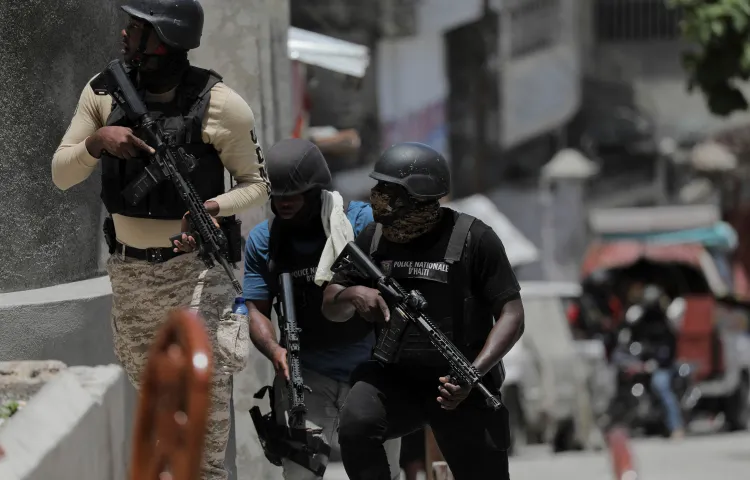
Haiti joins list of countries where killers of journalists most likely to go unpunished
By Arlene Getz/CPJ Editorial Director The persistent lack of justice for murdered reporters is a major threat to press freedom. Ten years after the United Nations declared an international day to end impunity for crimes against journalists – and more than 30 years after CPJ began documenting these killings – almost 80% of their killings…
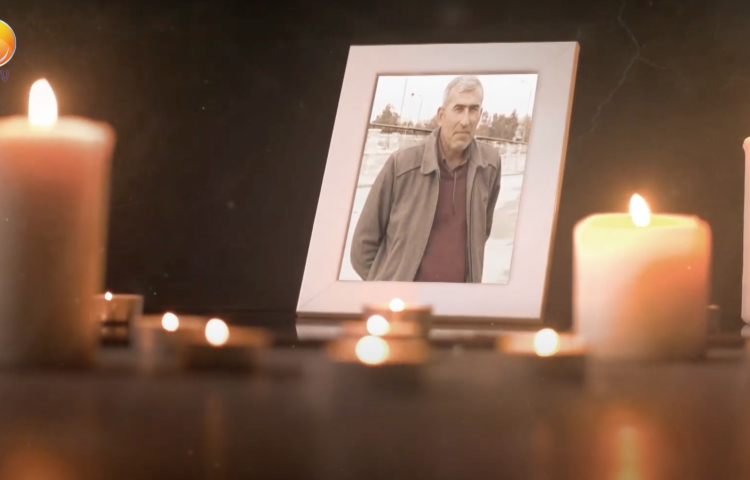
Driver killed, journalist severely injured by suspected Turkish drone strike in Syria
Beirut, August 25, 2023—Turkish authorities should immediately and thoroughly investigate a recent drone attack in Syria that killed a driver and injured a journalist, determine if they were targeted for their work, and bring the perpetrators to justice, the Committee to Protect Journalists said Friday. On Wednesday, August 23, a suspected Turkish drone strike in…

Syria revokes accreditation of 2 BBC journalists
Beirut, July 10, 2023 – Syria’s Ministry of Information must reverse its decision to revoke the accreditation of two BBC journalists, the Committee to Protect Journalists said Monday. On July 8, the ministry said it had canceled the accreditation of two local journalists working for the BBC over “false” and “politicized” reporting, according to a…
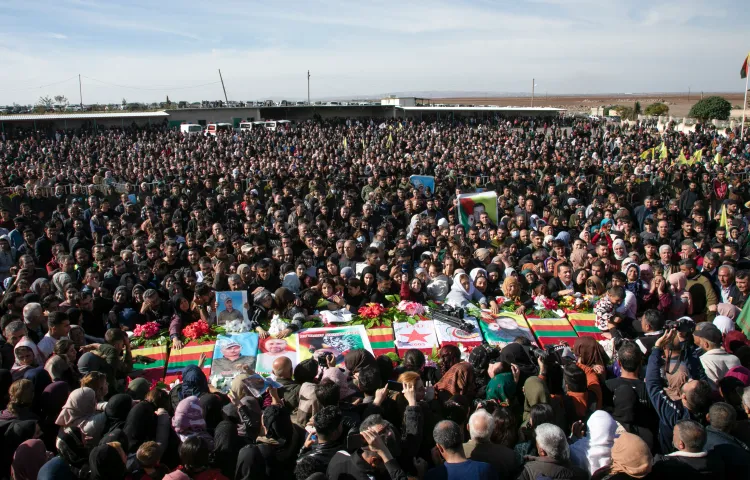
CPJ calls on Turkish authorities to investigate airstrikes that killed Hawar News Agency reporter
Washington, D.C., November 22, 2022—Committee to Protect Journalists on Tuesday called on Turkish authorities to immediately conduct a full and transparent investigation into whether Hawar News Agency (ANHA) reporter Essam Abdullah and other civilians were targeted during Turkish airstrikes in northern Syria. Abdullah was killed and Mohammed Jarada, reporter of Sterk TV, was injured during…
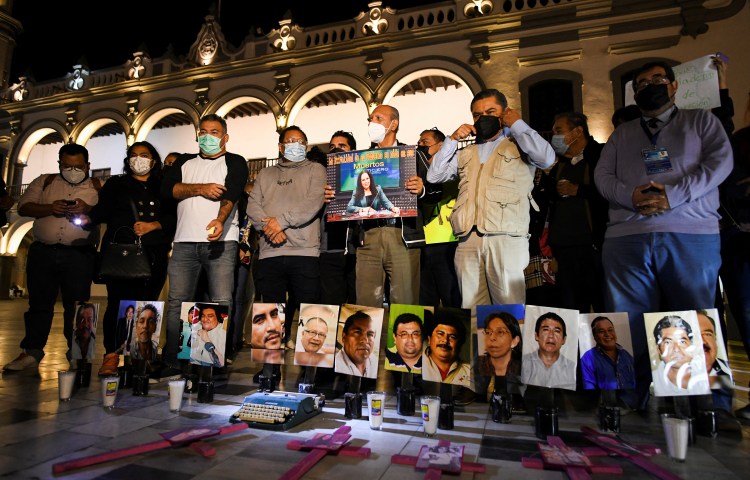
Killing with impunity: Vast majority of journalists’ murderers go free
By Jennifer Dunham/CPJ Deputy Editorial Director No one has been held to account in nearly 80% of journalist murders during the last 10 years, CPJ’s 2022 Global Impunity Index found, and governments show little interest in tackling the issue. Published November 1, 2022 Statistical table | Methodology | Database: All journalists murdered for their work…
Rudaw reporter Barzan Ferman detained in northern Syria
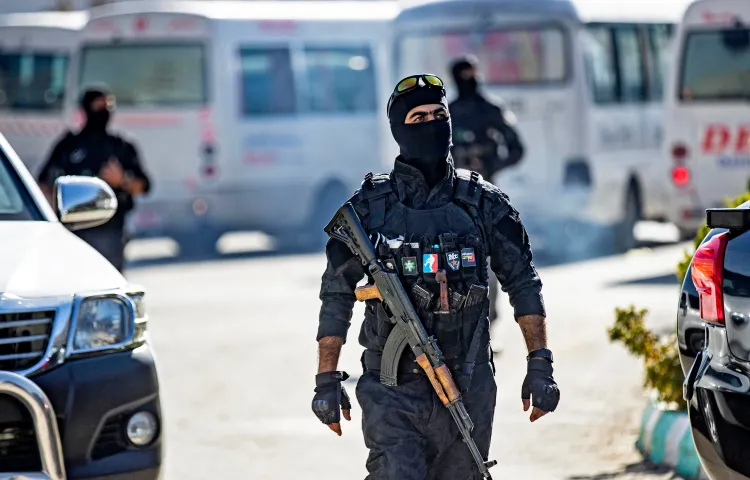
Washington, D.C., August 3, 2022 – Authorities in northern Syria should immediately release journalist Barzan Ferman and reverse their suspension of the Rudaw Media Network’s license, the Committee to Protect Journalists said Wednesday. At about noon on Tuesday, August 2, forces affiliated with the Democratic Union Party, the political party in power in the Autonomous Administration…
Security forces detain 2 more journalists in northern Syria
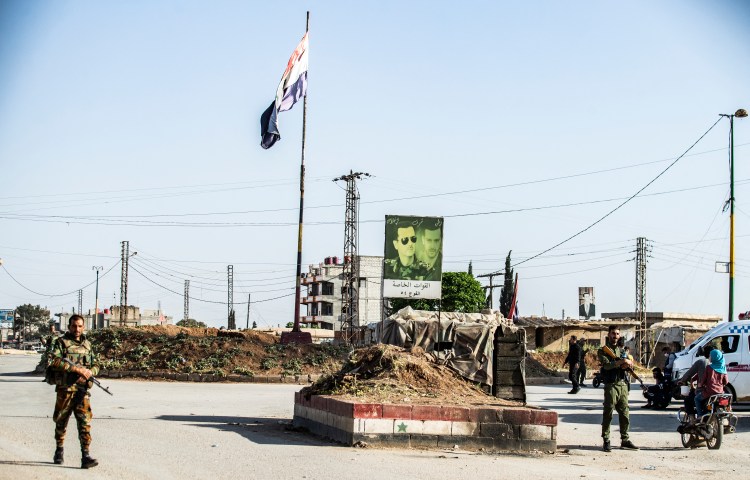
Washington, D.C., February 22, 2022 – Authorities in northern Syria should immediately release Ahmed Sofi, Dara Abdo, and all other members of the press detained for their work, the Committee to Protect Journalists said Tuesday. On Saturday, February 19, forces affiliated with the Democratic Party Union, the political party in power in the Autonomous Administration…
Syrian journalist Kenan Waqaf in hiding after security forces seek his arrest
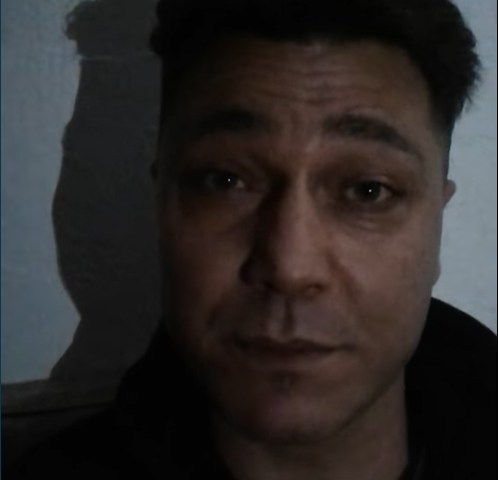
New York, February 11, 2022 – Syrian government authorities should stop pursuing journalist Kenan Waqaf and cease harassing and detaining members of the press, the Committee to Protect Journalists said today. In the early morning of February 6, Waqaf posted a video to his Facebook account saying that he had gone into hiding after heavily…
Security forces in northern Syria detain 2 journalists
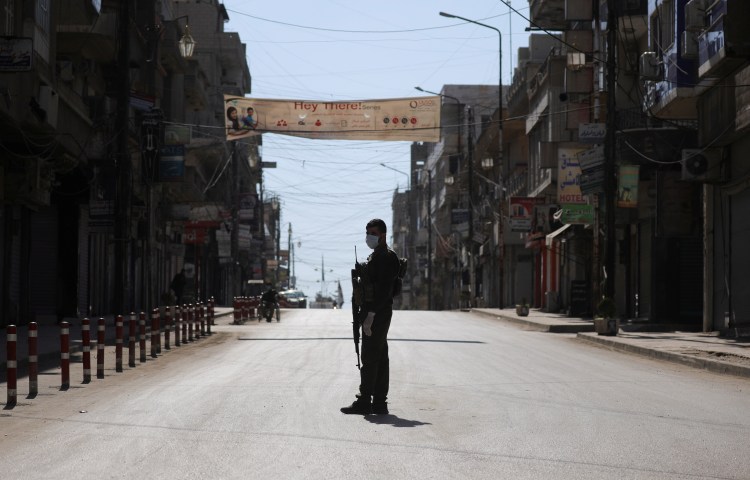
Washington, D.C., February 10, 2022 – Kurdish security forces in northern Syria should immediately release journalists Sabri Fakhri and Bawar Malla Ahmad, the Committee to Protect Journalists said Thursday. On Saturday, February 5, soldiers affiliated with the Democratic Party Union, the political party in power in the Autonomous Administration of North and East Syria’s regional…
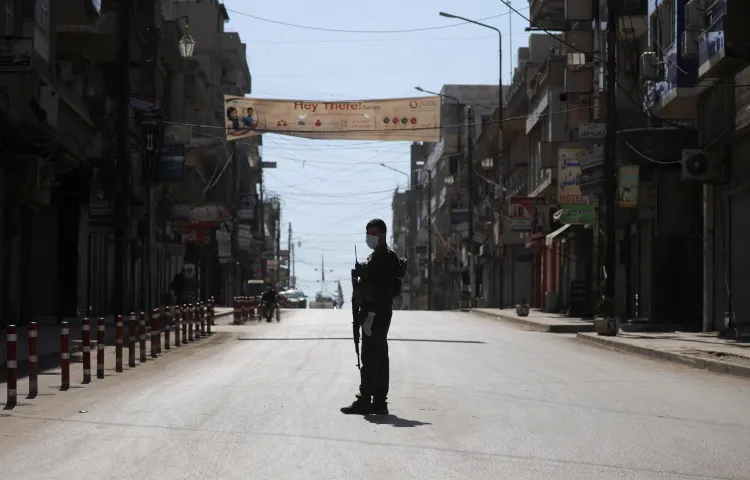
Northeast Syrian authorities assault Rudaw news crew, suspend network’s licenses
Washington, D.C., February 9, 2022 – Northeast Syrian authorities must reverse their suspension of Rudaw Media Network’s broadcast license and the license of all their employees, stop attacks and harassment of its staff, and allow all journalists to work freely and safely, the Committee to Protect Journalists said Wednesday. On February 2, Asayish security forces…