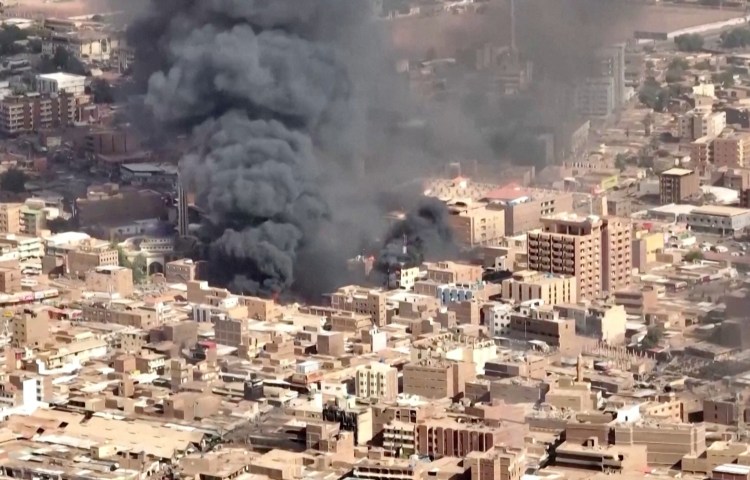
One year into Sudan’s civil war, its media faces grave threats
When fighting erupted in Sudan on April 15 of last year, local journalists quickly ran into difficulties reporting on the conflict roiling their country. As the Sudanese Armed Forces (SAF) and the Rapid Support Forces (RSF) – former allies who jointly seized power in a 2021 coup – engaged in street battles, journalists were assaulted,…
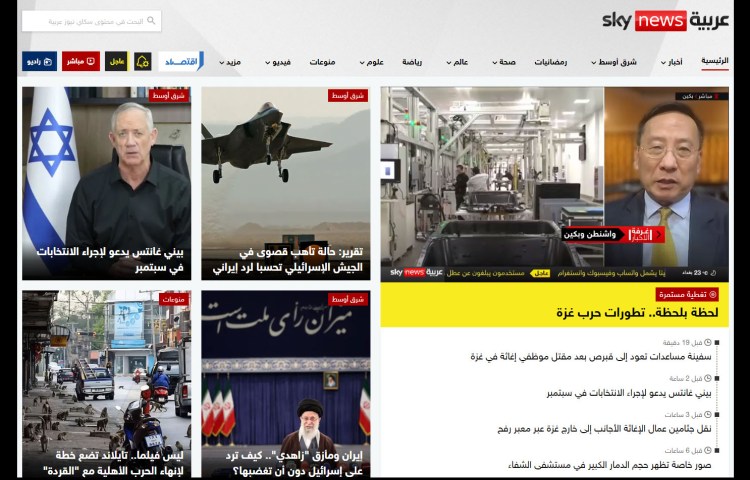
CPJ urges Sudan authorities to end suspensions of 3 news outlets
New York, April 3, 2024—The Committee to Protect Journalists is alarmed by reports that the Sudanese Ministry of Media and Culture has suspended the work of news outlets Sky News Arabia, Al Arabiya, and Al Hadath in Sudan and urges authorities to allow the channels to resume operating. On Tuesday, Sudan’s Ministry of Media and Culture suspended…
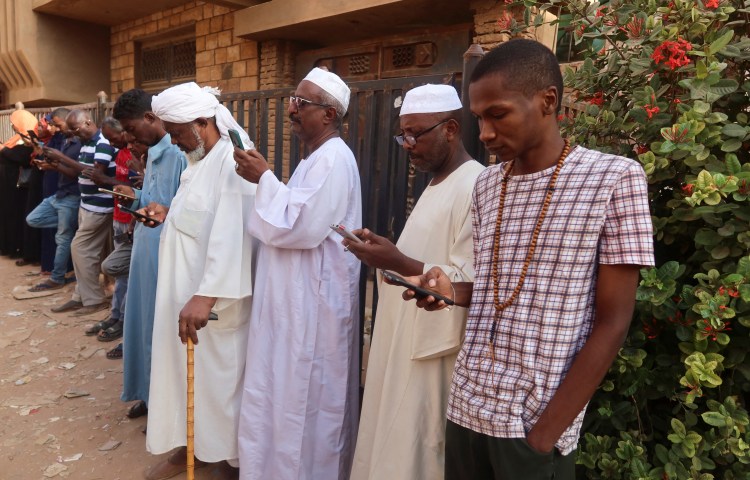
‘Back to the dark ages’: Editor Ataf Mohamed on Sudan’s wartime communications blackout
For the last six weeks, Sudan has been almost totally cut off from the world. Since early February, there has been an internet and telecommunications blackout in the country, where a war between the Sudanese army and the paramilitary Rapid Support Forces (RSF) has killed more than 13,000, displaced millions, and threatens to cause widespread…
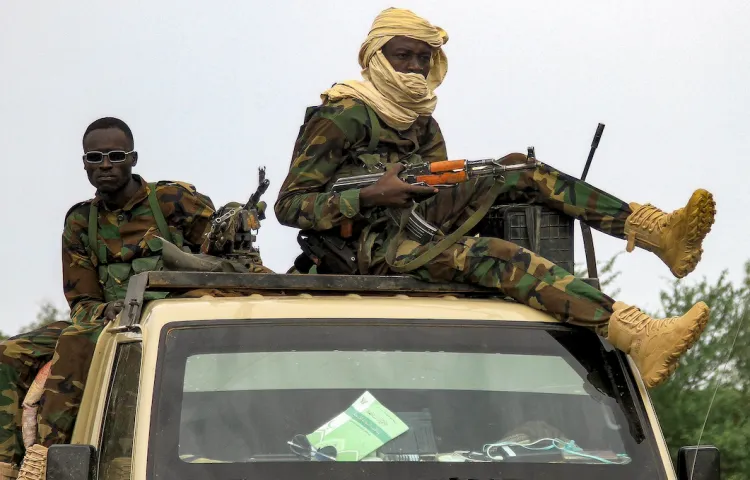
CPJ condemns killing of Sudanese journalist Khalid Balal in Darfur
New York, March 6, 2024—The Committee to Protect journalists calls on Sudanese authorities to investigate and hold to account those responsible for killing the journalist Khalid Balal and urges all parties to the conflict to respect members of the press. “We are shocked by the brutal killing of journalist Khalid Balal in his own home…
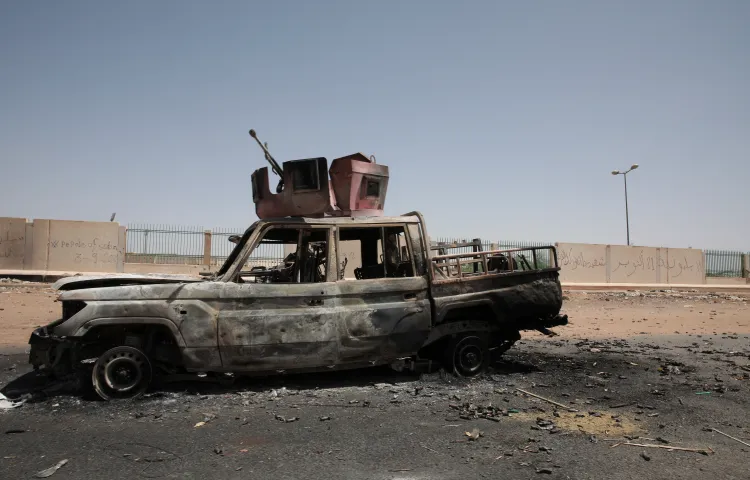
CPJ alarmed by extended communications blackout in Sudan
New York, February 5, 2024—The Committee to Protect Journalists is alarmed by reports of an ongoing communications blackout across most of Sudan since Friday and urgently calls for an immediate restoration of telecoms and internet networks across the country, where a nearly 10-month conflict has displaced millions. Since February 2, mobile and internet services provided…
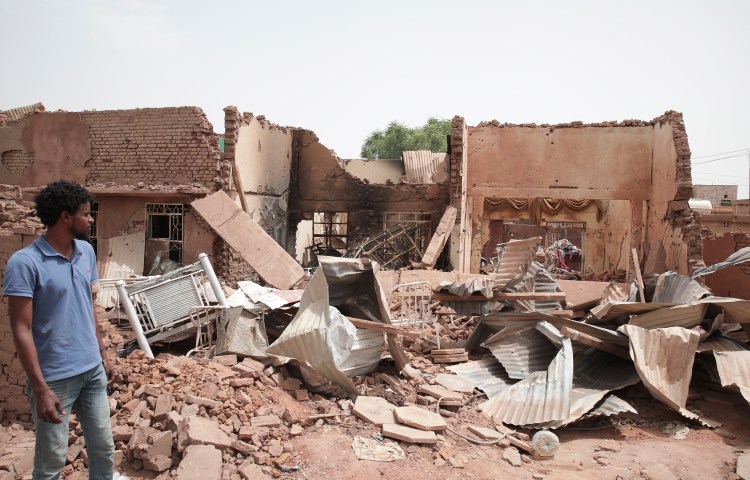
CPJ calls for immediate release of Sudanese journalist Haitham Dafallah and his brother
New York, January 22, 2024—The Committee to Protect Journalists is shocked by reports that the Rapid Support Forces (RSF), a Sudanese paramilitary group, arrested journalist Haitham Dafallah and his brother Omar Dafallah, and calls for their immediate release. On Friday, RSF soldiers arrested Dafallah, editor-in-chief of local independent news website al-Maidan, and his brother from their…

CPJ calls for immediate release of Sudanese journalist Ogail Ahmed Naime
New York, January 19, 2024—The Committee to Protect Journalists is alarmed by reports that the Rapid Support Forces (RSF), a Sudanese paramilitary group, arrested journalist Ogail Ahmed Naime and calls for his immediate release. On Thursday, January 18, RSF soldiers arrested Naime, a freelance journalist, from his home in Khartoum, according to news reports. As…
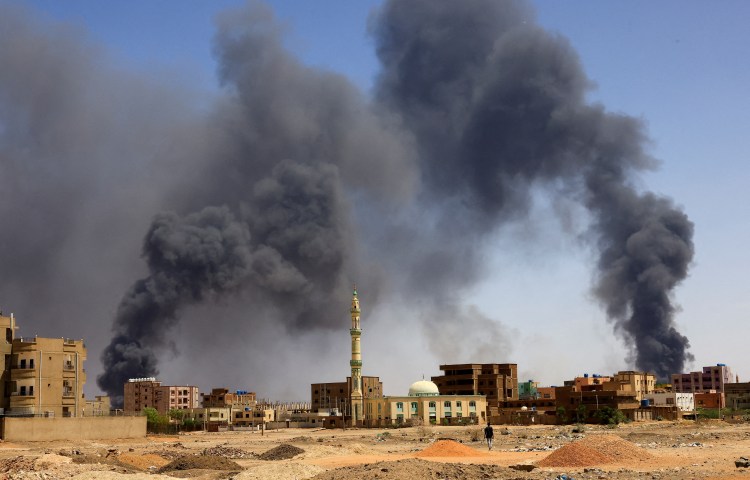
CPJ urges Sudanese paramilitary forces to cease using media institutions as detention centers
New York, December 12, 2023 – The Committee to Protect Journalists is alarmed by reports that the Sudanese paramilitary group, Rapid Support Forces (RSF), is using state-owned media buildings in Omdurman as illegal detention centers, and calls on all parties in the ongoing war to respect all media establishments. “The RSF’s use of Sudan’s state…
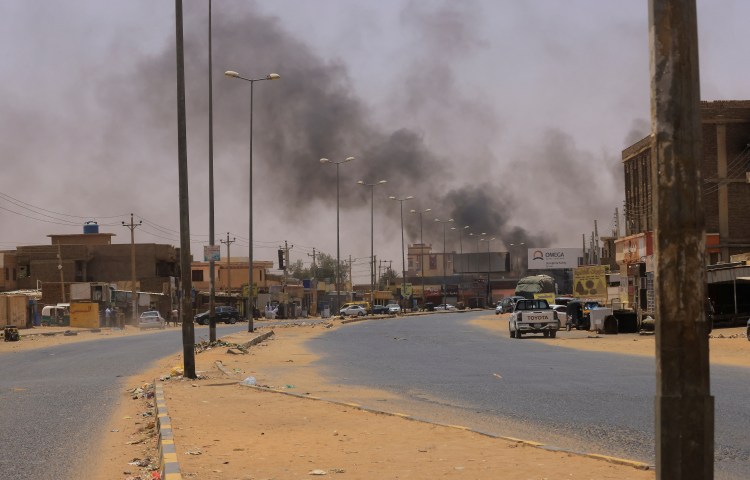
CPJ calls for investigation into killing of Sudanese journalist Halima Idris Salim
New York, October 12, 2023—The Committee to Protect Journalists calls on Sudanese authorities to investigate and hold to account those responsible for the Tuesday, October 10 killing of Sudanese journalist Halima Idris Salim, and urges all parties to the ongoing armed conflict in the country to respect the press and guarantee journalists’ safety. “We are…