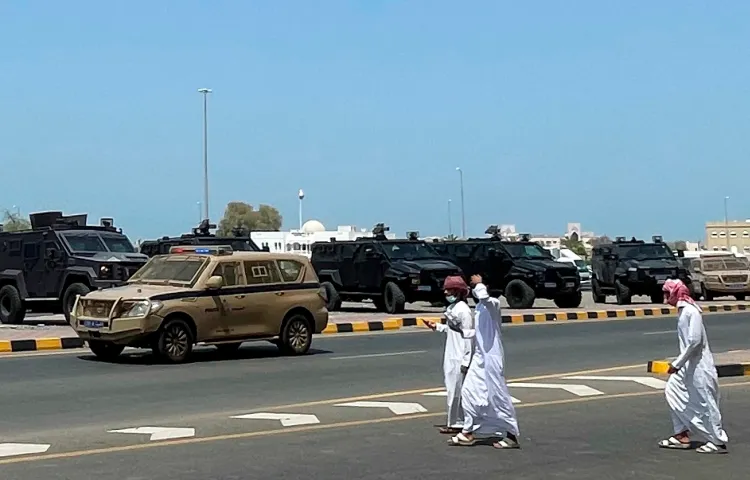
Omani journalist Mukhtar al-Hanai charged over corruption coverage
New York, May 6, 2022 – Oman authorities should drop all charges against journalist Mukhtar al-Hanai and allow the press to work freely and without fear of legal harassment, the Committee to Protect Journalists said Friday. The public prosecutor’s office in Muscat, the capital, informed al-Hanai, a reporter for the news website Atheer, on March…
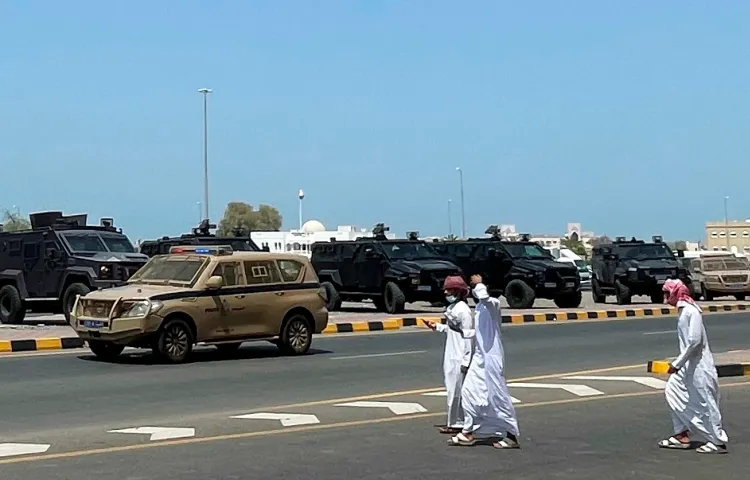
Omani authorities suspend radio journalist following guest’s on-air critical comments
Omani authorities suspended Kholoud al-Alawi, a journalist at privately owned Hala FM, from her work for at least a month in December 2021, according to BBC Arabic and Beirut-based regional human rights organization the Gulf Center for Human Rights. The Ministry of Information informed the radio station by phone of the suspension on December 1,…
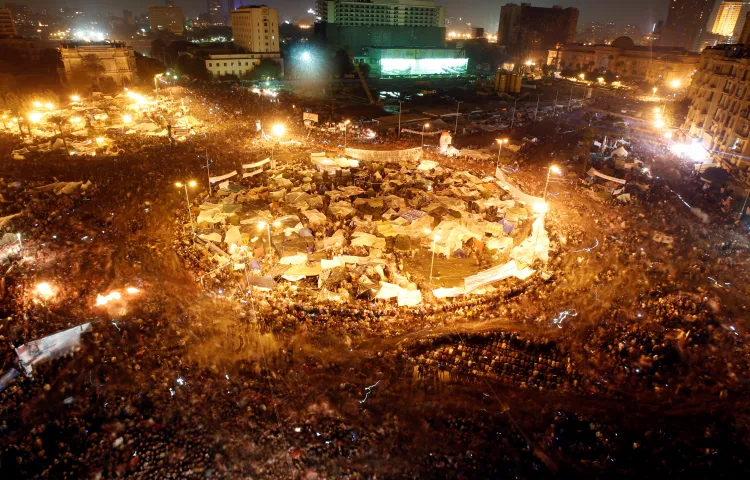
Ten years after the Arab Spring, the region’s media faces grave threats. Here are the top press freedom trends
In early February 2011, Alaa Abdelfattah was in Egypt’s Tahrir Square, documenting and participating in the nascent pro-democracy uprising that would topple the government and transform the country and the region. Today, he is in prison on anti-state and false news charges, which his family believes are partly retaliatory for his work. Abdelfattah is one of…
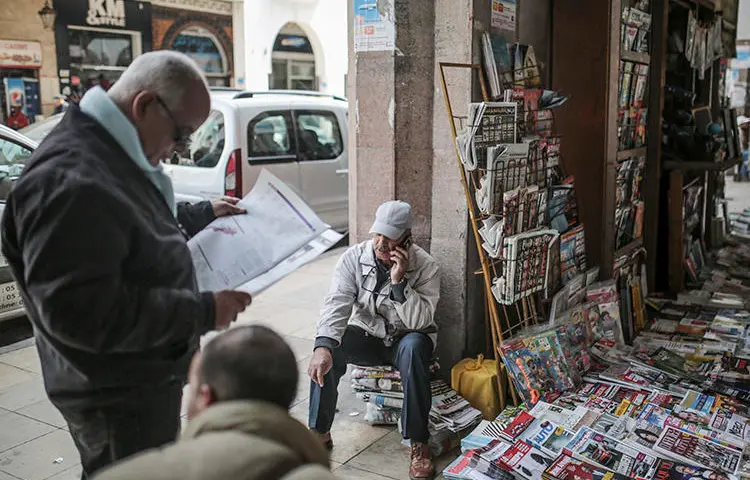
Jordan, Oman, Morocco, and Yemen suspend newspaper production, citing COVID-19 fears
Beginning on March 17, 2020, authorities in Jordan, Oman, Morocco, and Yemen issued decrees suspending newspaper printing and distribution in response to the COVID-19 pandemic, according to news reports and government statements.
Oman sentences three journalists to prison
New York, September 26, 2016 – An Omani court today sentenced three journalists from the independent newspaper Azamn to prison and ordered the newspaper closed after it published allegations of judicial corruption, according to human rights groups and news reports.
CPJ joins call for Sultan of Oman to end persecution of Azamn journalists
The Committee to Protect Journalists and Reporters Without Borders today sent a letter to Sultan Qaboos bin Said of Oman, to draw his attention to the prosecution of three journalists from the independent daily newspaper, Azamn.
Oman detains second journalist from Azamn newspaper
New York, August 5, 2016–Omani authorities this week arrested a second journalist from the Azamn newspaper. Zaher al-Abri, an editor, was detained without formal explanation in Muscat on August 3, according to his colleague and a local human rights group. He was arrested the day after speaking with CPJ about the case of Ibrahim al-Maamari,…
Omani journalist jailed over article on judiciary
New York, August 2, 2016 – An Omani journalist has been jailed for nearly a week under investigation of multiple charges after the daily newspaper Azamn published an article questioning the independence of the judiciary, according to his outlet and human rights groups.
Omani blogger Muawiyah Alrawahi detained for more than a month
New York, March 26, 2015–The Committee to Protect Journalists is concerned about the welfare of Omani blogger Muawiyah Alrawahi, who was detained while attempting to enter the United Arab Emirates by car from Oman. Alrawahi, who has criticized Omani authorities on his blog and YouTube channel, has long been persecuted for his work, according to…