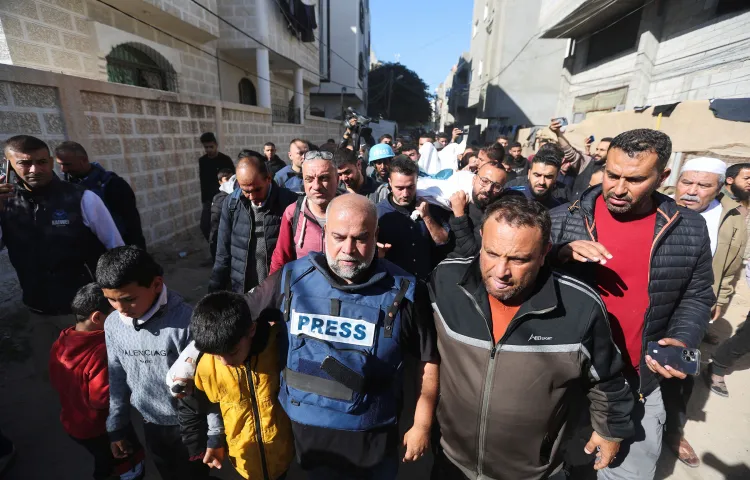
Journalist casualties in the Israel-Gaza war
Editor’s notes: The list below is CPJ’s most recent and preliminary account of journalist deaths in the war. Our database will not include all of these casualties until we have completed further investigations into the circumstances surrounding them. For more information, read our FAQ. The Israel-Gaza war has taken a severe toll on journalists since…
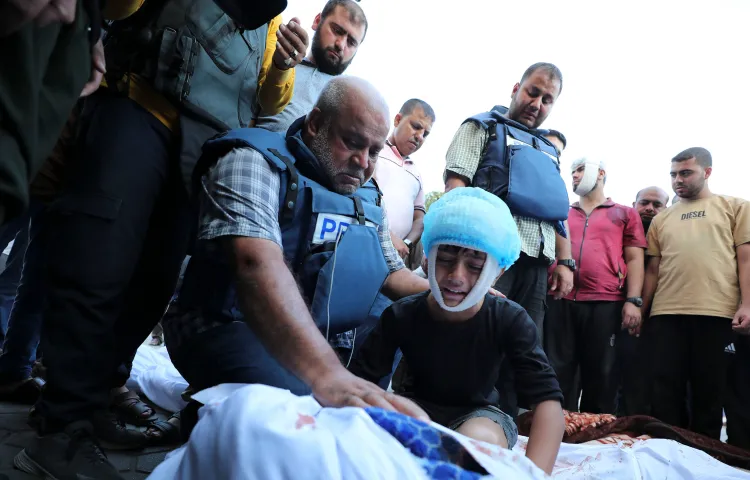
Attacks, arrests, threats, censorship: The high risks of reporting the Israel-Gaza war
Since the Israel-Gaza war began on October 7, journalists and media across the region have faced a hostile environment that has made reporting on the war exceptionally challenging. In addition to documenting the growing tally of journalists killed and injured, CPJ’s research has found multiple kinds of incidents of journalists being targeted while carrying out…
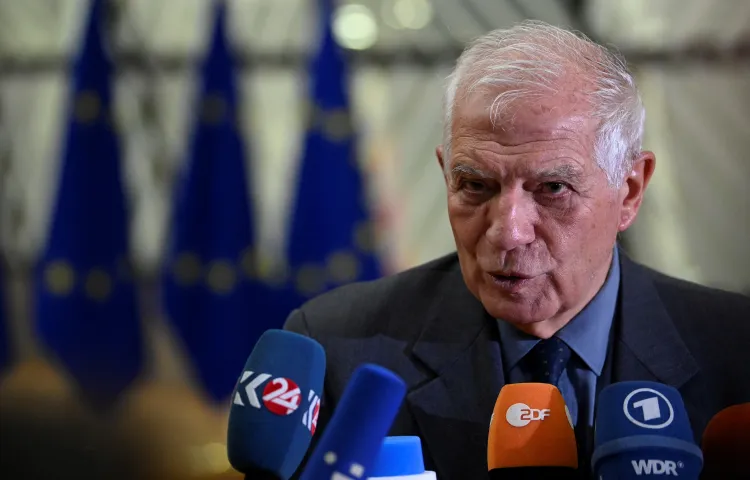
CPJ welcomes call by EU’s Borrell on protecting journalists in Israel-Gaza war; urges further action by EU states
Brussels, April 23, 2024— The Committee to Protect Journalists welcomes Tuesday’s remarks by the European Union’s Josep Borrell about the need to protect journalists in the Israel-Gaza war and calls on all EU member states also to make or renew calls that both sides should respect international law during the conflict, take all measures to…
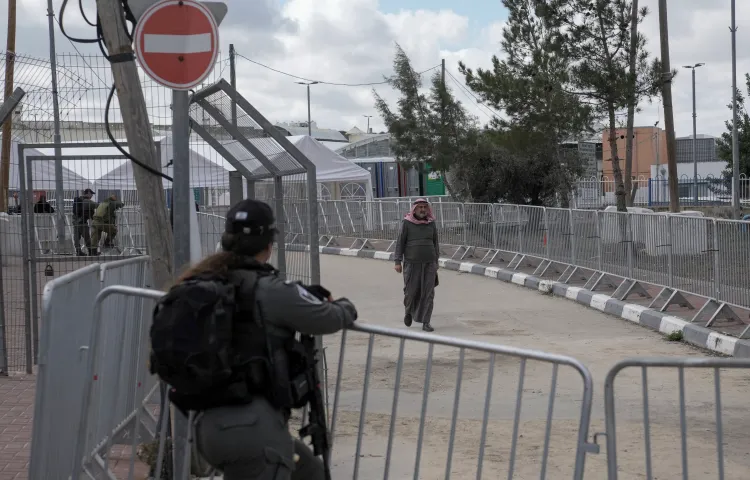
Palestinian intelligence arrests journalist Khalil Dweeb in Bethlehem
New York, April 19, 2024—Palestinian authorities in the West Bank must immediately and unconditionally release journalist Khalil Dweeb, who has been detained since Tuesday, April 16, the Committee to Protect Journalists said Friday. Two Palestinian General Intelligence Service agents arrested Dweeb, a freelance camera operator who contributes to the Qatari broadcaster Al-Jazeera, on Tuesday after…
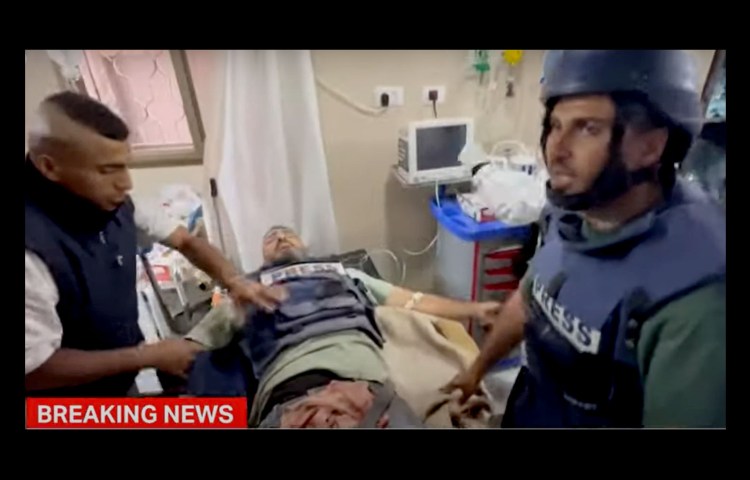
CPJ seeks probe of Israeli attack on TV journalists wearing press insignia
Washington, D.C., April 12, 2024—The Committee to Protect Journalists calls for an independent investigation into the Israeli attack on journalists in Gaza working for the national public broadcaster of Turkey, Turkish Radio and Television Corporation (TRT). The attack critically injured TRT Arabi camera operator Sami Shehadeh, whose leg was later amputated. On Friday, four Palestinian…
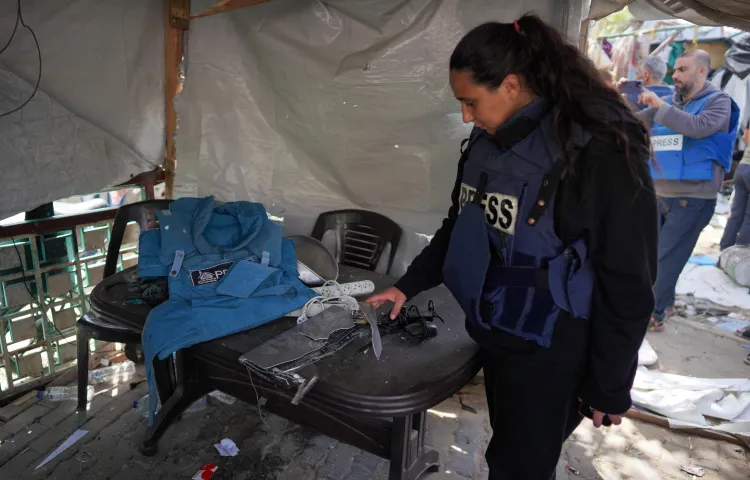
CPJ calls for probe of attack injuring 8 journalists at Gaza hospital
Washington, D.C., April 11, 2024—The Committee to Protect Journalists calls for an independent investigation into the Israeli attack on Al-Aqsa Martyrs Hospital that injured at least eight journalists on assignment. On Sunday, March 31, around 11:30 a.m., an Israeli strike hit a tent encampment outside of Al-Aqsa Martyrs Hospital in Deir al-Balah, in central Gaza….
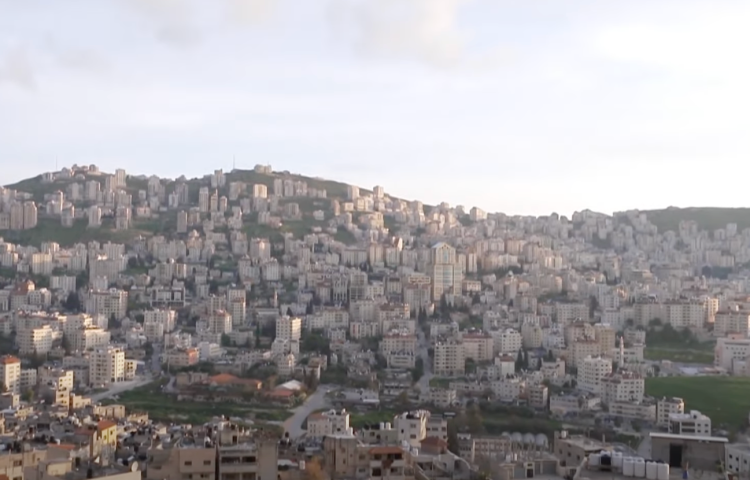
Journalist Ahmed al-Bitawi arrested while covering pro-Gaza march in the West Bank
New York, April 5, 2024—Palestinian authorities in the West Bank must immediately and unconditionally release journalist Ahmed al-Bitawi, who has been in detention since March 30, the Committee to Protect Journalists said Friday. On March 29, Palestinian General Intelligence Service agents arrested al-Bitawi, a reporter for Sanad News Agency, in the Palestinian West Bank city…
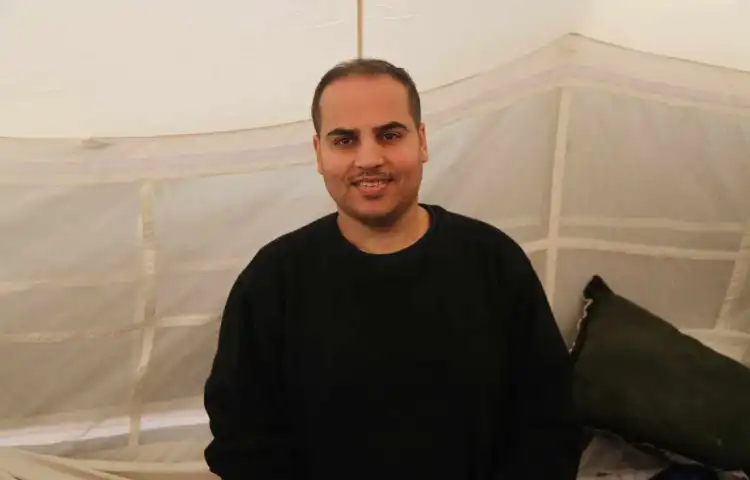
Gaza journalist Diaa Al-Kahlout describes 33 harrowing days in Israeli custody
Diaa Al-Kahlout, the veteran Gaza bureau chief for the Qatari-funded London-based newspaper Al-Araby Al-Jadeed, had been covering the Israel-Gaza war for two months when he became part of the news. On December 7, Al-Kahlout was detained along with members of his family by Israeli forces in a mass arrest in Beit Lahya in northern Gaza….
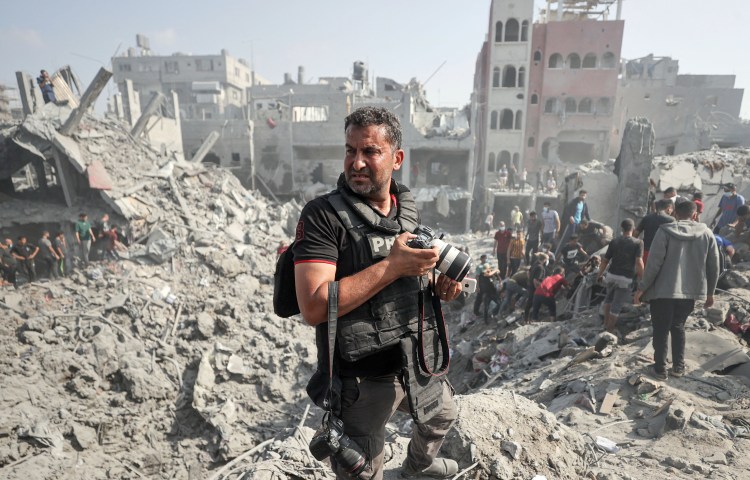
Gaza journalists struggle to report as they ‘expect to die daily’
New York-based Hoda Osman has spent the past six months helping Gaza journalists replace cameras, laptops, and phones lost or damaged in the Israel-Gaza war. More than 5,500 miles away, in the occupied West Bank city of Ramallah, Wafa’ Abdel Rahman coordinates humanitarian supplies and cash assistance for reporters under Israeli bombardment, while Rania Khayyat,…
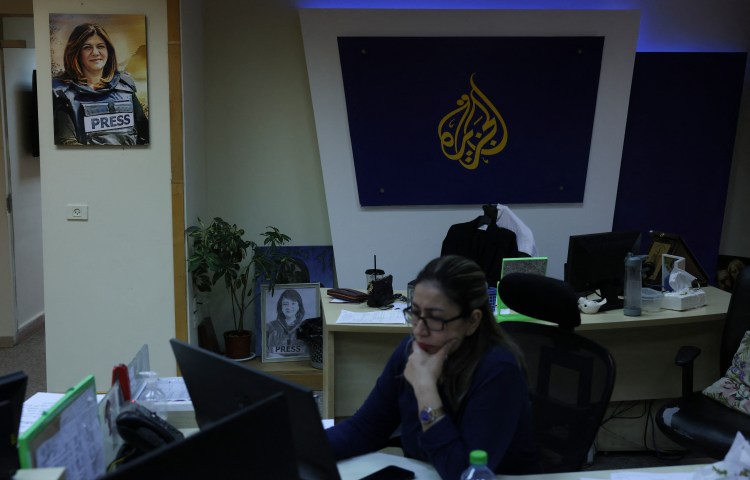
CPJ urges Netanyahu government not to shut down Al-Jazeera in Israel
Washington, D.C., April 1, 2024—The Committee to Protect Journalists urgently calls on the Israeli government not to close the Jerusalem-based bureau of Qatari broadcaster Al-Jazeera and allow the media to report freely on news events in Israel and Gaza during the current conflict. On Monday, Israel’s parliament, the Knesset, passed a law allowing the government…