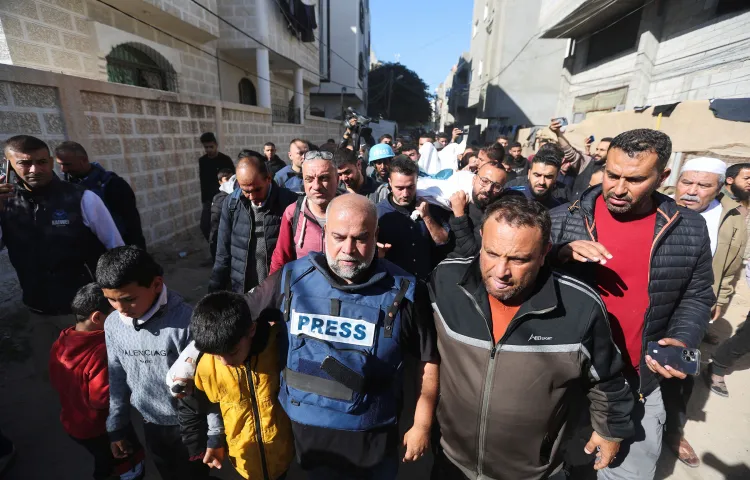
Journalist casualties in the Israel-Gaza war
Editor’s notes: The list below is CPJ’s most recent and preliminary account of journalist deaths in the war. Our database will not include all of these casualties until we have completed further investigations into the circumstances surrounding them. For more information, read our FAQ. The Israel-Gaza war has taken a severe toll on journalists since…
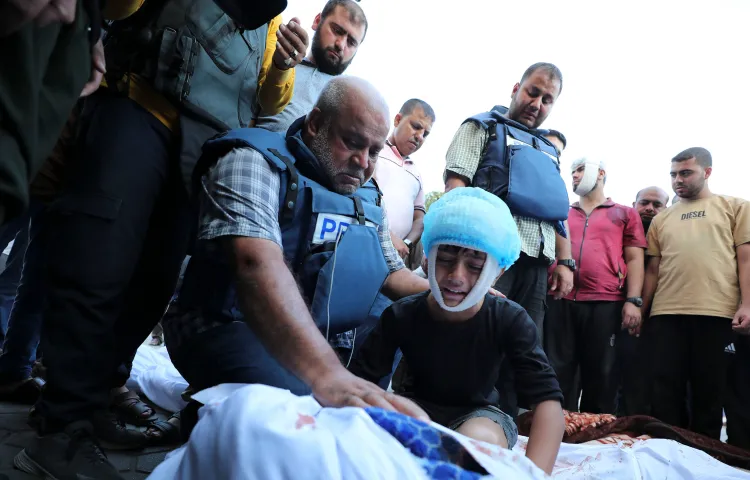
Attacks, arrests, threats, censorship: The high risks of reporting the Israel-Gaza war
Since the Israel-Gaza war began on October 7, journalists and media across the region have faced a hostile environment that has made reporting on the war exceptionally challenging. In addition to documenting the growing tally of journalists killed and injured, CPJ’s research has found multiple kinds of incidents of journalists being targeted while carrying out…
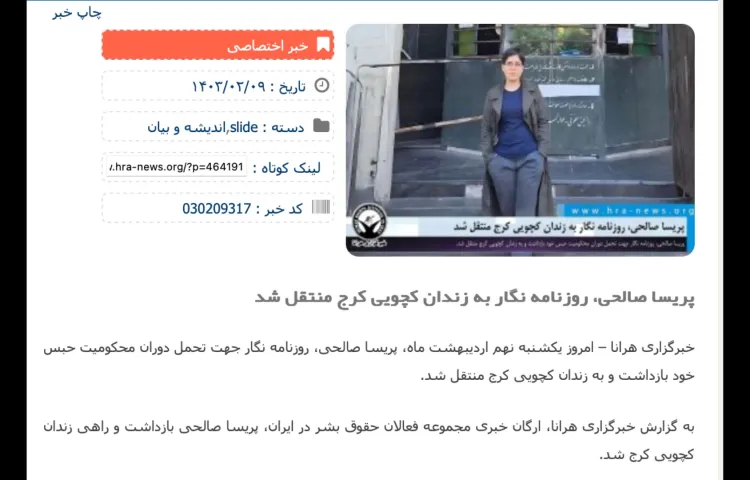
Iranian economics reporter begins 5-month sentence in Karaj prison
Washington, D.C., April 30, 2024—Iranian authorities must immediately release journalist Parisa Salehi from prison and cease jailing members of the press for doing their jobs by reporting on events of public interest, the Committee to Protect Journalists said Tuesday. On January 24, Judge Asef Al-Hosseini, in Branch one of Karaj Revolutionary Court, sentenced Parisa Salehi, an economics reporter for the state-run financial…

Iraqi Kurdish journalist Guhdar Zebari is free from prison, but not from threats
On February 17, 2024, Iraqi Kurdish journalist Guhdar Zebari was released from prison, concluding a three-and-a-half year legal saga that saw him convicted on anti-state and other charges in retaliation for his work. Zebari is one of the so-called “Badinan prisoners” – a group of journalists and activists from the ethnic Badinani group who were…
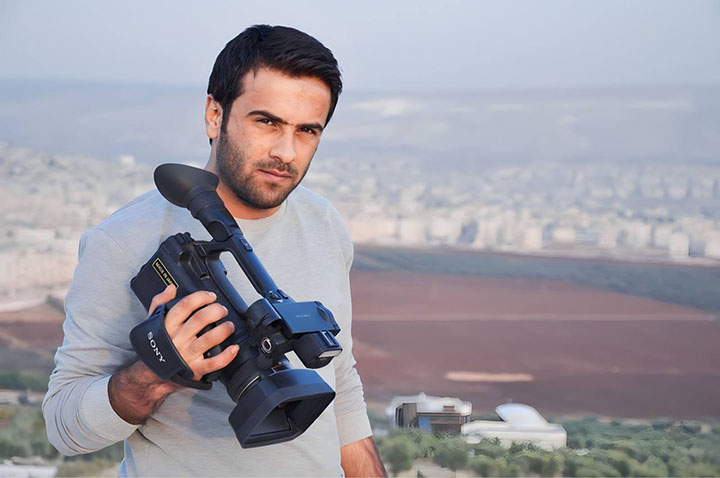
CPJ, MENA Rights Group file Urgent Action to UN on disappearance of Syrian journalist in Iraqi Kurdistan
The Committee to Protect Journalists (CPJ) and the MENA Rights Group (MRG), filed an Urgent Action on April 12, 2024, to the UN Committee on Enforced Disappearances, asking for the Iraqi Kurdish government to clarify the fate and whereabouts of Syrian journalist Sleman Ahmed, who was arrested in Iraqi Kurdistan on October 25, 2023. Ahmed,…
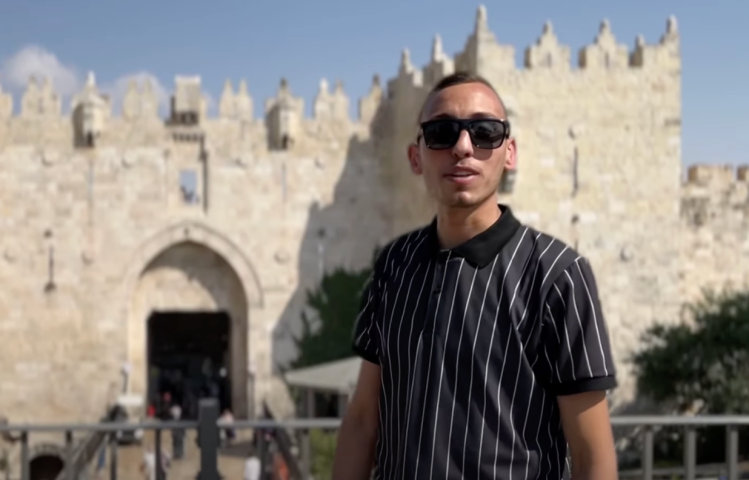
Israeli police detain and assault Palestinian journalist Saif Kwasmi
New York, April 29, 2024—The Committee to Protect Journalists on Monday called on Israeli security forces to stop harassing journalists in the Palestinian territory of the West Bank and allow them to report the news freely and without fear of reprisal. On April 24, Palestinian freelance journalist Saif Kwasmi was reporting on activities at Jerusalem’s…
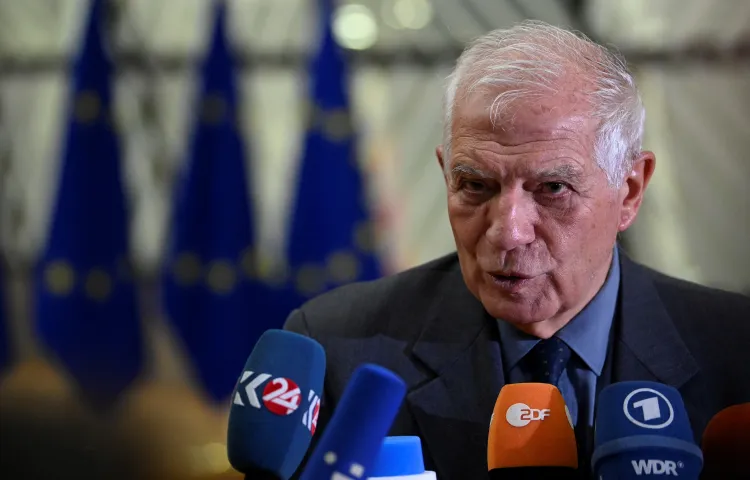
CPJ welcomes call by EU’s Borrell on protecting journalists in Israel-Gaza war; urges further action by EU states
Brussels, April 23, 2024— The Committee to Protect Journalists welcomes Tuesday’s remarks by the European Union’s Josep Borrell about the need to protect journalists in the Israel-Gaza war and calls on all EU member states also to make or renew calls that both sides should respect international law during the conflict, take all measures to…
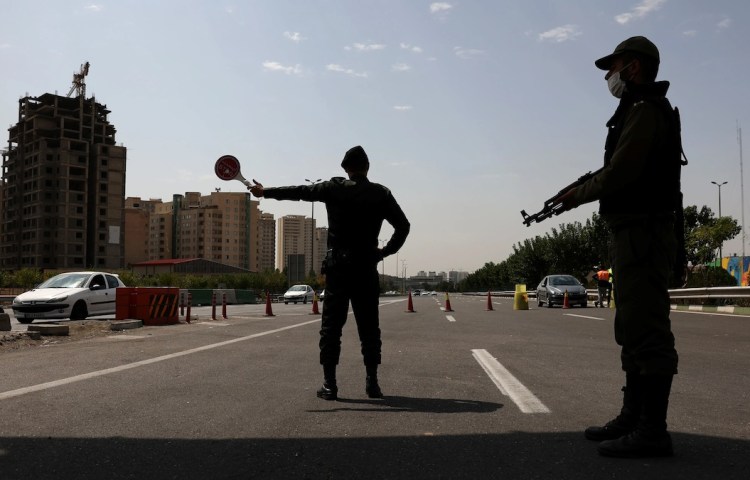
Iran arrests Kurdish editor-in-chief, Iranian cartoonist, sues several newspapers
Washington, D.C., April 19, 2024—Iranian authorities must immediately release Kurdish-Iranian journalist Rasoul Galehban and drop any charges against him, the Committee to Protect Journalists said Monday. Galehban, the publisher and the editor-in-chief of Urmiye24 Kurdish News, was arrested by the Iran’s Cyber Police Unit in the city of Urmia, in West Azerbaijan province, on April…
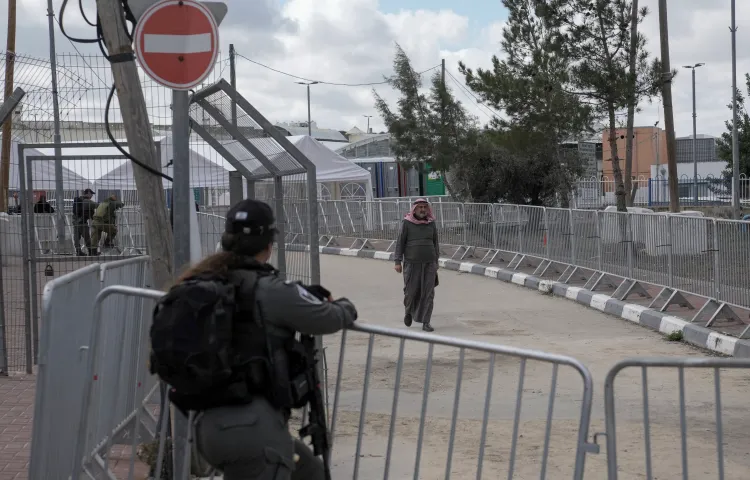
Palestinian intelligence arrests journalist Khalil Dweeb in Bethlehem
New York, April 19, 2024—Palestinian authorities in the West Bank must immediately and unconditionally release journalist Khalil Dweeb, who has been detained since Tuesday, April 16, the Committee to Protect Journalists said Friday. Two Palestinian General Intelligence Service agents arrested Dweeb, a freelance camera operator who contributes to the Qatari broadcaster Al-Jazeera, on Tuesday after…

Tunisian journalist Mohamed Boughaleb sentenced to 6 months in prison for defamation
New York, April 18, 2024—The Committee to Protect Journalists calls on Tunisian authorities to immediately and unconditionally release journalist Mohamed Boughaleb after he was convicted by a Tunis court of defamation and sentenced to six months in prison on Wednesday. “The sentencing of journalist Mohamed Boughaleb to six months in prison over social media posts…