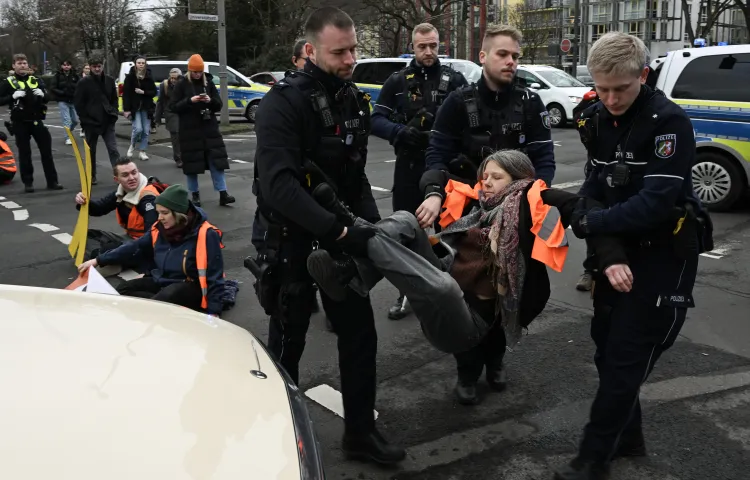
‘I am challenged at the court for simply doing my job’: Journalists covering climate issues in Europe face growing threats
Skyrocketing temperatures and catastrophic flooding have hammered home the realities of climate change in Europe, making environmental coverage one of the continent’s most important beats. It’s also an increasingly dangerous one as journalists face legal and physical harassment for reporting on polluters, amid other concerns. Of course, Europe isn’t the only place where journalists find…
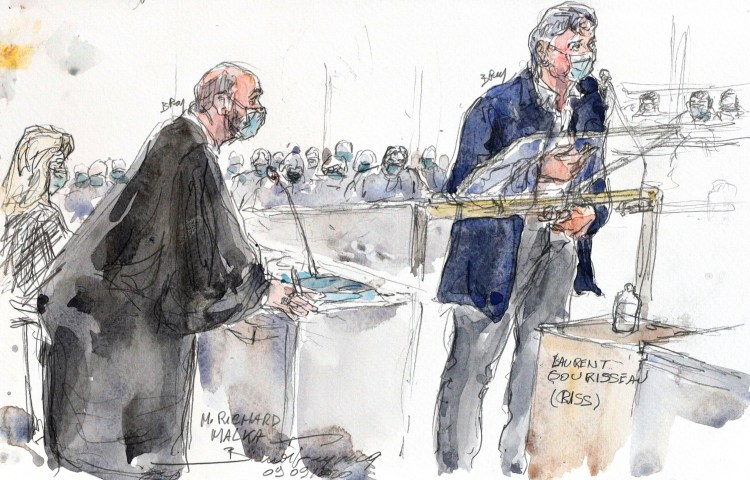
As police investigate fresh attack amid Charlie Hebdo trial, French media unify around free expression
The knifings of two employees of a French TV production company outside the former Charlie Hebdo office on Friday, which occurred as a high-profile trial on the 2015 attacks on the newspaper was underway, was a stark reminder that threats to journalists have not disappeared in the five years since the deadly assault. The megatrial had started on September…
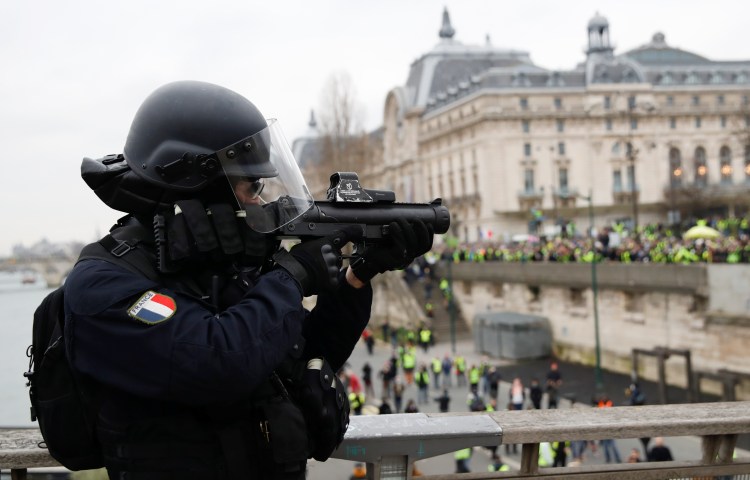
In an era of global protest, France and Israel stand out for use of dangerous ammunition
With the world gripped in a historic wave of unrest, journalists in no fewer than 65 countries – about a third of the world – have been attacked covering protests since 2015, according to a report I authored for a U.N. agency that was published today. One thing that stood out during my research for the report Safety…

CPJ joins call for EU to stop surveillance software going to rights abusers
The Committee to Protect Journalists today joined a group of human rights groups in calling on the European Parliament to vote tomorrow in favor of legislation that could prevent surveillance equipment from going to rights-abusing governments.
Press at risk as EU-based companies export surveillance software to hostile regimes
In August, Danish Foreign Minister Anders Samuelsen told the daily newspaper Information that the government had authorized sales of online surveillance software to several Middle Eastern countries. While acknowledging the potential for human rights violations that could result from the use of these tools, the minister said that Denmark has an interest in the fight…
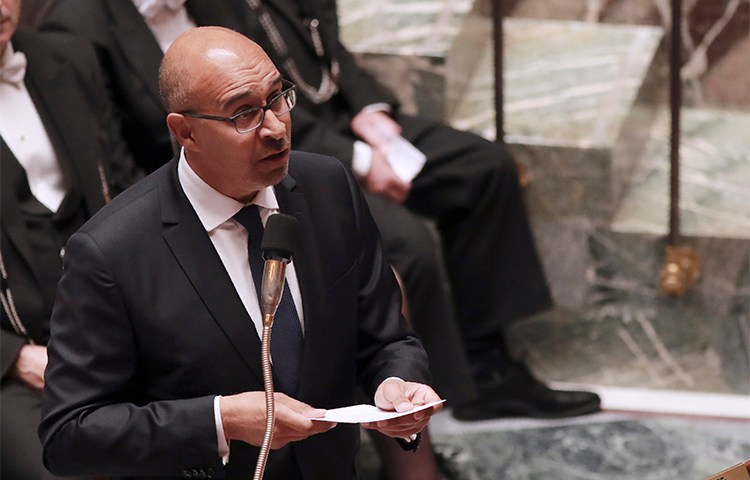
Q&A: Impunity and journalist safety are priority says new OSCE Representative on Freedom of the Media, Harlem Désir
The OSCE Representative on Freedom of the Media plays a vital role that is valued by journalists and media freedom groups for its ability to speak out in defense of press freedom in participating states of the Organization for Security and Cooperation in Europe.

Press freedom on OGP agenda as authoritarianism rises
There was poignancy to the Paris summit of the Open Government Partnership, as leaders from government and civil society took the stage to defend a political ideology under siege: liberal democracy. French President François Hollande, who amid weak public support announced he will not seek re-election in 2017, called democracy “so fragile and so precious.”…
Infographic: Islamic State’s assault on the press
When Mosul fell to Islamic State on June, 10, 2014, it sparked one of the biggest attacks on press freedom in recent times. Newspapers were shuttered, TV channels were ransacked, radio stations disappeared from the airwaves, and dozens of journalists vanished. Within days, the militants had a monopoly on information output.
EU rulings on whistleblowers and right-to-be-forgotten laws puts press freedom at risk
European journalists were reminded today that their freedom to report is not only determined by national laws, but increasingly by European institutions. Today, after years of political battle, the European Parliament adopted the Passenger Name Record directive, the Data Protection Package, and the Trade Secrets Protection Act. The stakes were immense and the debates long…