
In Serbia, a ‘witch-hunt’ for journalists who don’t toe government line
“A real epidemic of attacks.” That’s the way Serbian journalist, advocate, and professor Dinko Gruhonjić characterized the state of press freedom in his country in a recent op-ed for the media-focused news site Cenzolovka. Gruhonjić faced severe online harassment after a doctored video in which he appears to praise a war criminal was circulated online…
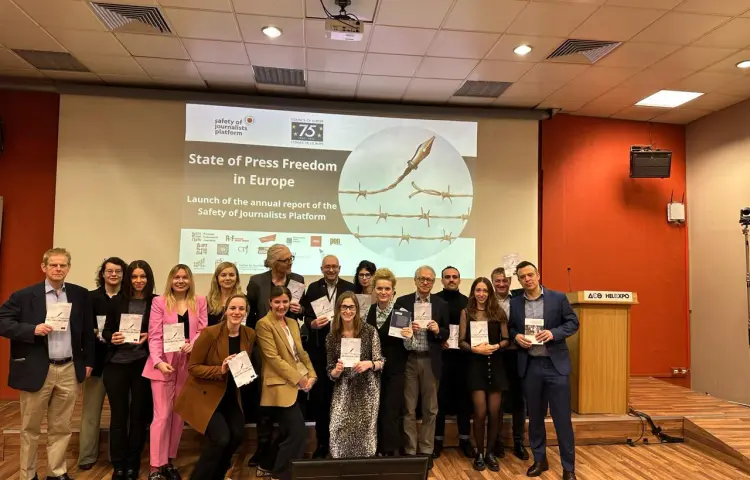
Council of Europe journalist safety platform sounds alarm over spyware and abusive lawsuits
The use of spyware against journalists, abusive lawsuits, and the perils facing journalists in exile are among the main concerns raised in the annual report of the Council of Europe’s Platform for the Protection of Journalism and Safety of Journalists released on March 5, 2024. The Committee to Protect Journalists was one of 15 press…
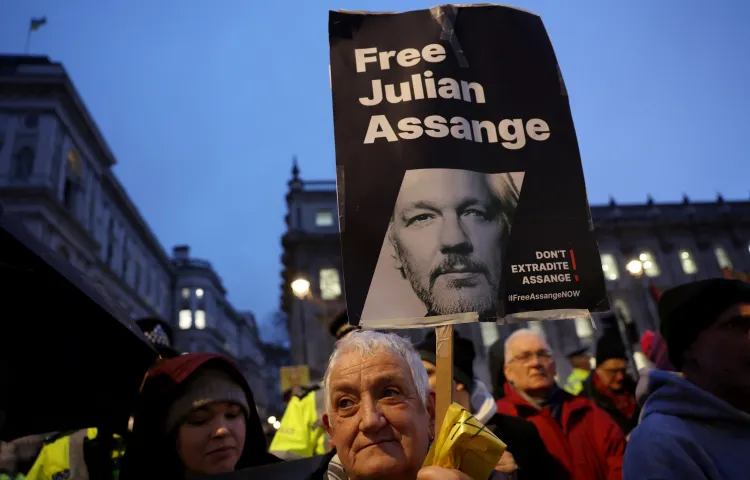
Why extradition of WikiLeaks’ Julian Assange to US would be cataclysmic for press freedom
The Australian founder of the website WikiLeaks, Julian Assange, has been fighting extradition to the U.S. from the U.K. since 2019 on charges that could strike a blow to press freedom globally. Here is CPJ’s briefing on the legal battle to extradite Assange, the charges he would face in the U.S., and why his prosecution…
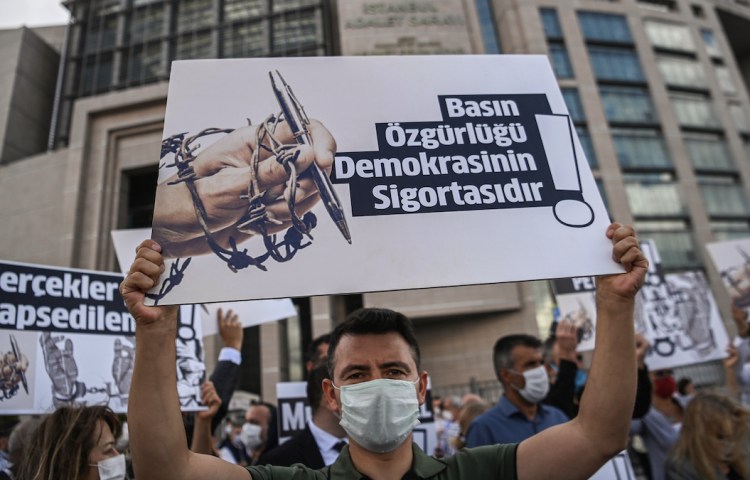
Drop in jailed Turkish journalists belies a long-simmering press freedom crisis
In CPJ’s 2023 annual prison census, Turkey was the world’s 10th worst jailer of journalists—its most press-friendly ranking in almost a decade—with 13 behind bars, down from 40 the previous year. But the latest numbers don’t tell the full story. Turkey has consistently vied with China for the top slot in CPJ’s list of shame…

CPJ joins call for Azerbaijan to maintain unfettered internet access during upcoming elections
The Committee to Protect Journalists on Monday joined #KeepItOn Coalition partners in calling on Azerbaijan authorities and the country’s telecommunications companies and internet service providers to maintain free, open, and secure internet access and avoid shutdowns throughout presidential elections scheduled for February 7, 2024. The letter highlights how Azerbaijani authorities have implemented internet restrictions on…
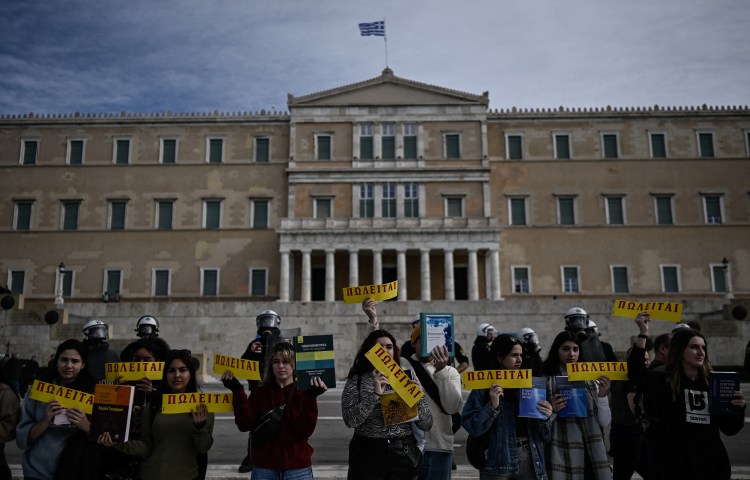
CPJ presents joint report on declining press freedom in Greece
The Committee to Protect Journalists joined seven other international press freedom organizations on Tuesday in a joint report after a mission to Athens in September 2023. The report concluded that Greece is the only EU country to currently have two open cases of impunity for the murder of journalists, and almost no other country in…
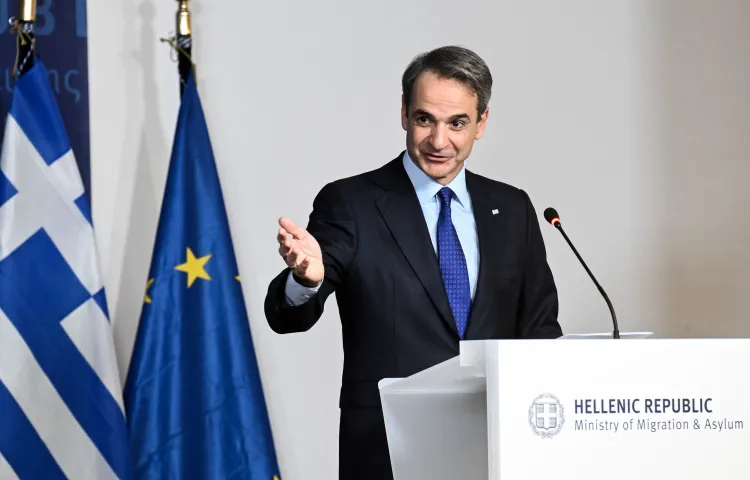
CPJ, others call for lawsuits against Greek journalists and outlets to be dropped
The Committee to Protect Journalists (CPJ) joined eight other international press freedom organizations in support of journalists and media outlets in Greece ahead of a series of abusive lawsuits filed by Grigoris Dimitriadis, former general secretary and the nephew of Prime Minister Kyriakos Mitsotakis. Dimitriadis filed two lawsuits against newspaper EFSYN and online investigative portal…
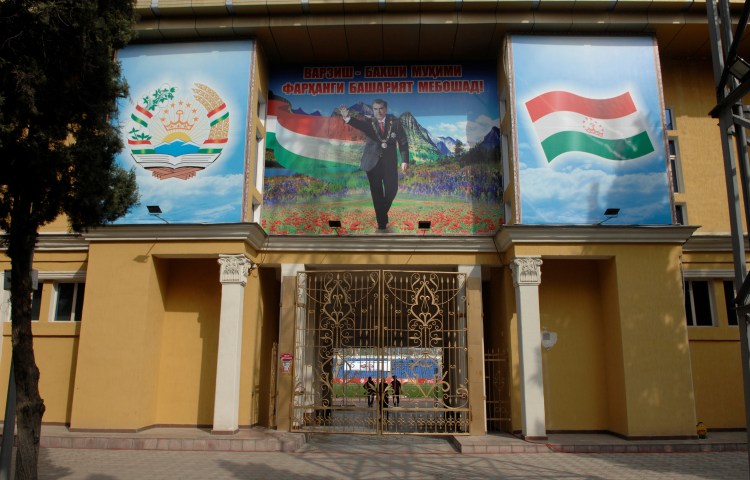
In Tajikistan, independent media throttled by state repression
Giant portraits of President Emomali Rahmon adorn even the most nondescript buildings in Tajikistan’s capital of Dushanbe. Throughout the country, his sayings are featured on posters and billboards. Their ubiquitous presence underscores the consolidation of power by Rahmon – officially described as “Founder of Peace and Unity, Leader of the Nation” – since he emerged…
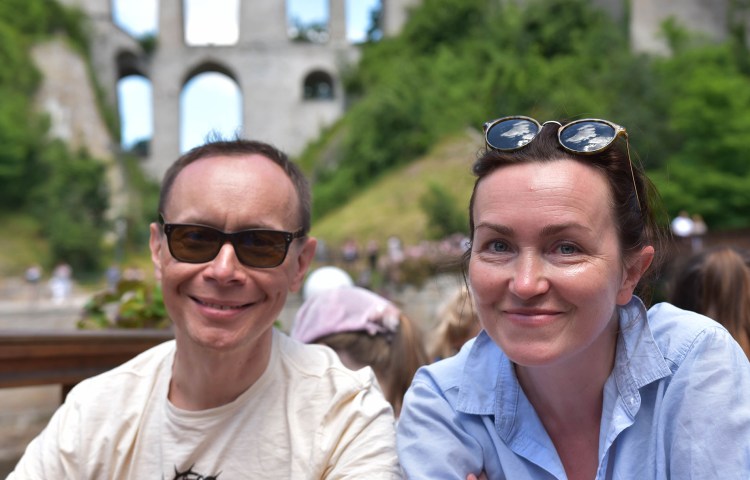
‘Our kids miss their mom’: Husband of journalist Alsu Kurmasheva speaks out about her detention in Russia
Alsu Kurmasheva, an editor with the Tatar-Bashkir service of U.S. Congress-funded Radio Free Europe/Radio Liberty (RFE/RL) and a dual U.S.-Russian citizen, has been in Russian detention since October 18, when authorities in the western city of Kazan charged her with failure to register herself as a foreign agent. If found guilty, Kurmasheva faces up to…

CPJ dismayed after Romanian authorities close investigation into harassment and smear campaign against journalist Emilia Șercan
The Committee to Protect Journalists joined nine other press freedom groups on Tuesday in expressing disappointment after Romania’s prosecutor’s office at the Bucharest Court of Appeal decided to close the investigation into the harassment and smear campaign against investigative journalist Emilia Șercan. Since January 2022, Șercan has received threatening emails and social media messages, and several…