Africa
2010
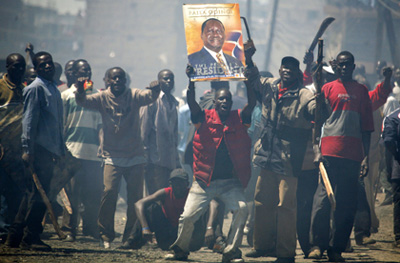
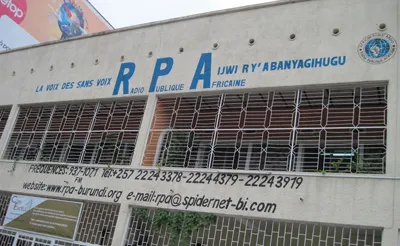
The good times are gone for Burundi’s press
After 2006, Burundi’s government and media relations seemed promising. The airwaves had been open to private broadcasters for years; the president held frequent press conferences, and the government commended the unified press for its professional 2010 pre-election coverage. “The president had organized an open dialogue with the press before the elections,” Information Minister Concilie Nibigira…
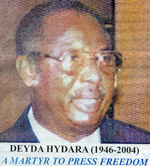
Deyda Hydara, a friend and colleague murdered in impunity
I can still vividly recall how the news of Deyda Hydara’s killing was relayed to me on the morning of December 17, 2004, after I returned from a trip to Zambia the previous night. Very early that morning, I called his childhood friend and partner at The Point, Pap Saine, who told me: “They shot…
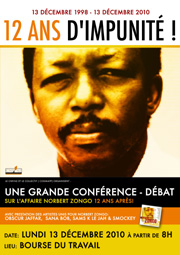
In Norbert Zongo case, 12 years of impunity
For Geneviève Zongo, every December 13 revives excruciating memories of the loss of her husband Norbert Zongo, editor of the weekly L’Indépendant. He was assassinated in 1998 while investigating the murder of a driver working at Burkina Faso’s presidential palace. More painful still is that the killers who ambushed Zongo’s car, riddling it with bullets and…
Mission Journal: Behind bars in Burundi
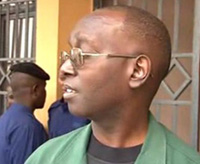
“They like me in here,” editor Jean-Claude Kavumbagu said of his fellow prisoners. But sub-Saharan Africa’s only jailed online journalist still pays protection money to stay safe in Bujumbura’s Mpimba Prison.The Net Press editor has been here since police arrested him on July 17. He was charged with treason over an article that questioned the competence of Burundi’s security…
Facebook gets caught up in Egypt’s media crackdown
As CPJ has previously documented, journalists in Egypt have faced a deterioration in press freedom in the run-up to the parliamentary vote on Sunday. Editors have been fired, TV shows suspended, and regulations over SMS texting suddenly tightened. In the final few days, a new forum found itself caught up in this attempt to control…
CPJ Press Freedom Awardee: ‘I always wanted answers’
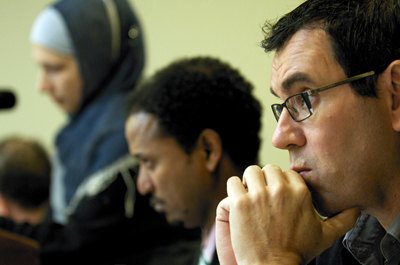
The last few weeks have been extremely busy for everyone at CPJ as we’ve been preparing for the 2010 International Press Freedom Awards. Today’s press conference in Washington will be followed by a series of events culminating in our awards ceremony Tuesday in New York. As always, the awardees make it special.
In exile in the U.S., Ethiopian journalist struggles forward
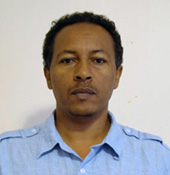
After almost a year in exile in America, an icy ocean away from his home in Ethiopia, journalist Samson Mekonnen, left, only recently received his work permit in Washington. In the interim, like most journalists undergoing the emotionally and financially grueling resettlement process, he has relied on friends, family, and international organizations like CPJ to…
That Nobel invite? Mr. Malware sent it
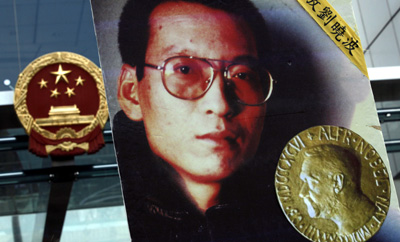
This weekend, staff at CPJ received a personal invitation to attend the Oslo awards ceremony for Nobel Peace Prize winner Liu Xiaobo. The invite, curiously, was in the form of an Adobe PDF document. We didn’t accept. We didn’t even open the e-mail. We did, however, begin analyzing the document to see was really inside…
Help journalists in need: An appeal
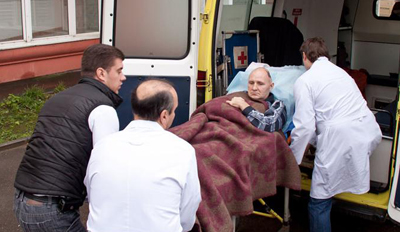
Mikhail Beketov is lucky to be alive, although I’m sure there are days when he doesn’t think so. On November 13, 2008, the environmental reporter who campaigned against a highway that would have destroyed a forest in Khimki, a town outside Moscow, was beaten nearly to death by men with metal bars. The attackers made…