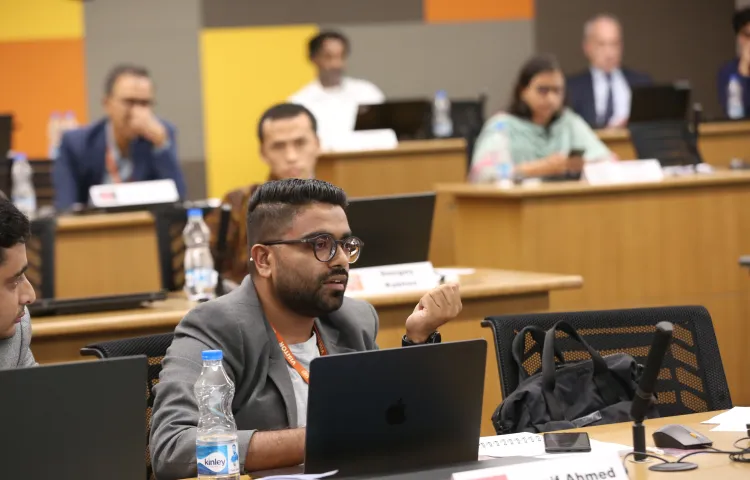
CPJ calls on Maldives authorities to swiftly investigate threats against 2 Dhauru journalists
New York, April 11, 2023–Maldives authorities must swiftly and impartially investigate the recent threats of violence and death sent to journalists Ahmed Naaif and Ahmed Zahir and ensure their safety, the Committee to Protect Journalists said Tuesday. Beginning on April 7, four unidentified numbers messaged threats to Naaif following the publication of an article by…
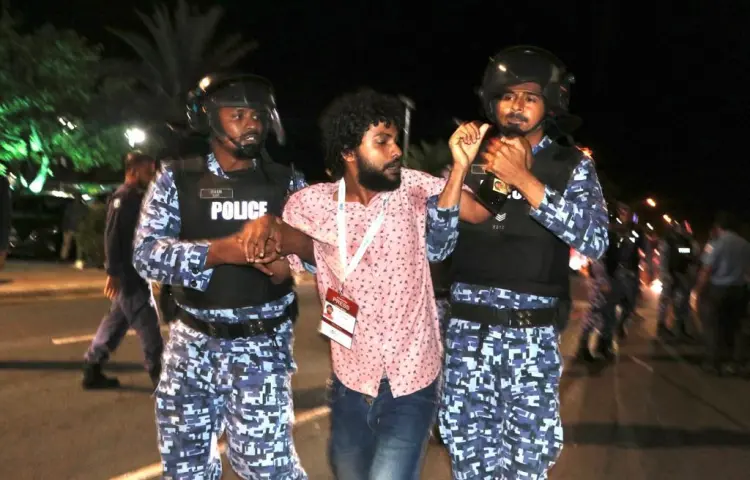
Maldives journalist Hussain Juman arrested, assaulted by police while covering opposition rally
New York, March 17, 2023– Maldives authorities should investigate the police assault of journalist Hussain Juman, refrain from filing any charges against him in retaliation for his work, and ensure members of the press can cover protests freely, the Committee to Protect Journalists said Friday. On the evening of Thursday, March 16, Maldives police assaulted…
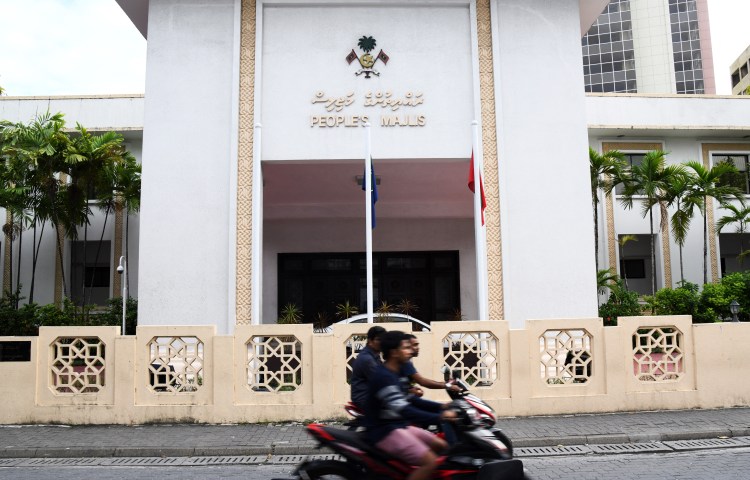
Maldives parliament considers amendment restricting journalists’ coverage of elections
New York, March 15, 2023—Maldives legislators should reject or revise a recently proposed legislative amendment restricting journalists’ ability to cover elections, the Committee to Protect Journalists said Wednesday. On Monday, March 13, the Maldives parliament opened debate regarding an amendment to the country’s General Elections Act proposed in mid-February by a lawmaker with the ruling…
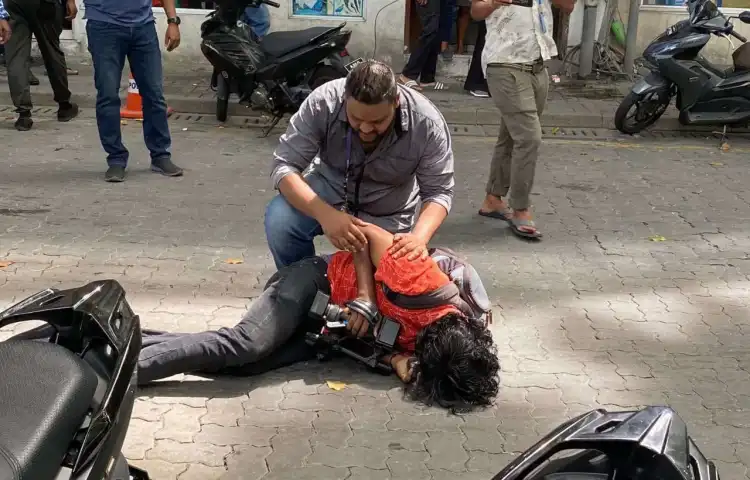
Police assault 2 journalists covering political protest in the Maldives
New York, February 7, 2023 – Maldives authorities must swiftly investigate the recent assaults of journalists Hassan Shaheed and Ahmed Misbaah and ensure that members of the press can report on public events without fear of violence by police, the Committee to Protect Journalists said Tuesday. On the morning of Monday, February 6, police officers…
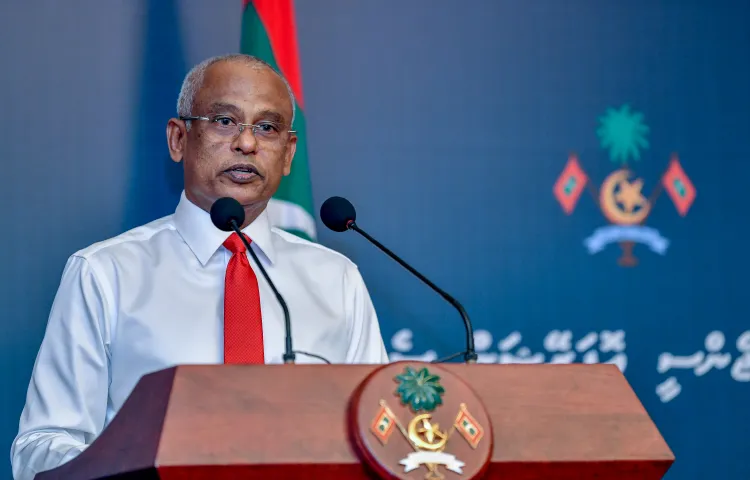
CPJ joins call for Maldives to repeal or amend provision of Evidence Act
On July 25, 2022, the Committee to Protect Journalists joined nine press freedom, freedom of expression, and human rights groups in a statement calling on the Maldives government to repeal or amend a provision of the recently ratified Evidence Act, which allows courts to compel journalists and media organizations to reveal their sources on the…
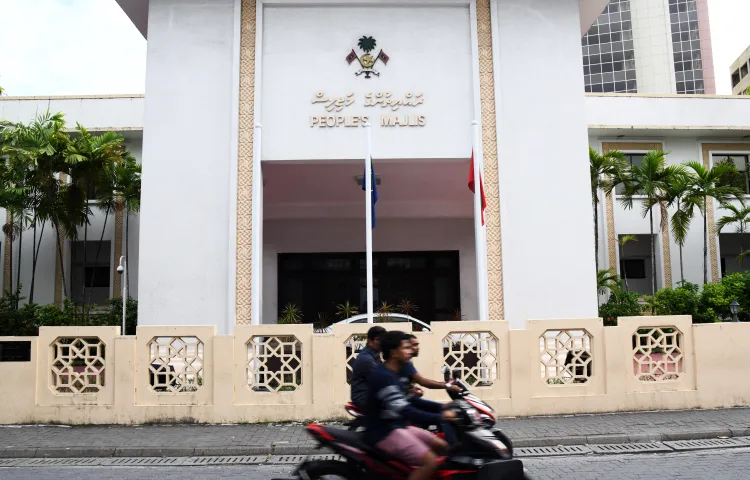
Maldives legislature considers bill that could force journalists to reveal sources
Washington, D.C., October 1, 2021 — Maldives legislators must reject a provision of the proposed Evidence Bill that would allow courts to compel journalists and media outlets to reveal their sources, the Committee to Protect Journalists said today. The bill, which CPJ reviewed, includes a broad provision allowing courts to order outlets and journalists to…
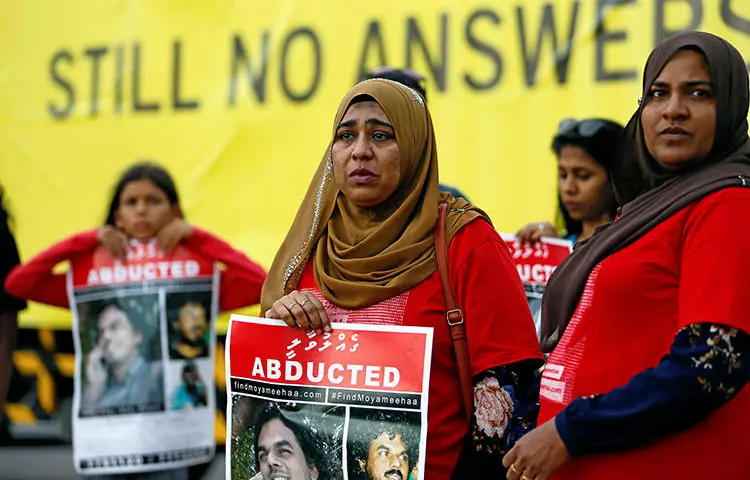
Maldives journalist Ahmed Rilwan Abdulla killed by Al-Qaeda group in 2014, commission finds
New Delhi, September 3, 2019 — Maldivian authorities should prosecute those responsible for the 2014 killing of journalist Ahmed Rilwan Abdulla, including the planners of the attack as well as any government officials who interfered in the investigation, the Committee to Protect Journalists said today.
CPJ calls on Maldives to empower commission on enforced disappearances and murders
CPJ writes to the speaker of the People’s Majlis, asking him to strengthen press freedom in the Maldives and commit to pursuing justice and ending impunity by calling for a vote on a bill to grant investigative powers to the presidential commission on enforced disappearances and murders.
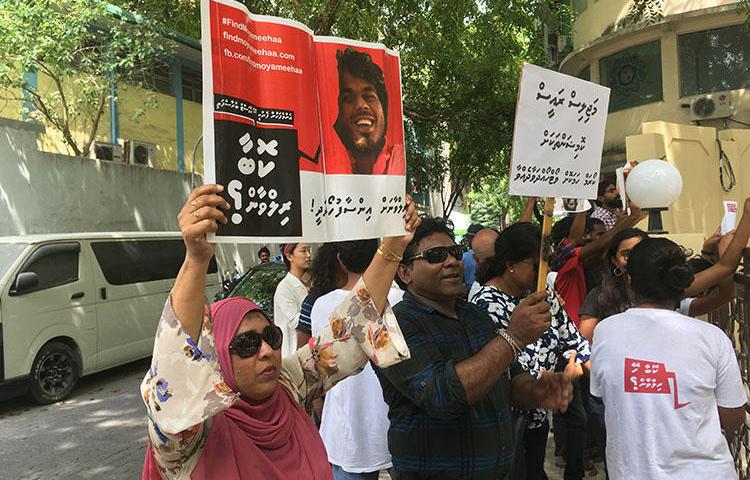
Maldives commission renews hope of justice for Rilwan and Rasheed
Mission Journal: With a new presidential commission investigating the abduction of Ahmed Rilwan Abdulla and the murder of Yameen Rasheed, CPJ’s Asia program research associate Aliya Iftikhar travels to Malé in late February to speak with the bloggers’ families about their pursuit of justice, and with authorities about the progress and challenges in the cases.
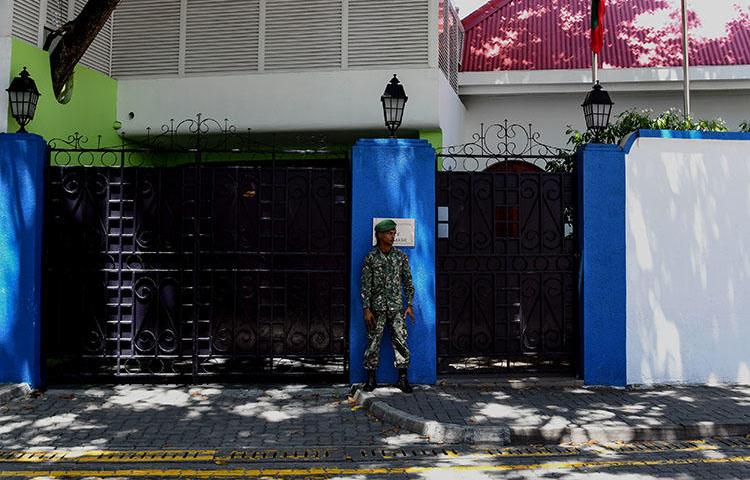
CPJ calls on Maldives to drop fine against opposition-aligned Raajje TV
New York, August 9, 2018–The Committee to Protect Journalists today called on Maldives authorities to withdraw fines against and stop targeting the opposition-aligned broadcaster Raajje TV. The Maldives Broadcasting Commission yesterday fined Raajje TV 2 million Maldivian rufiyaa (US$130,000)– the largest amount it can impose– for airing a politician’s statement made at an opposition demonstration…