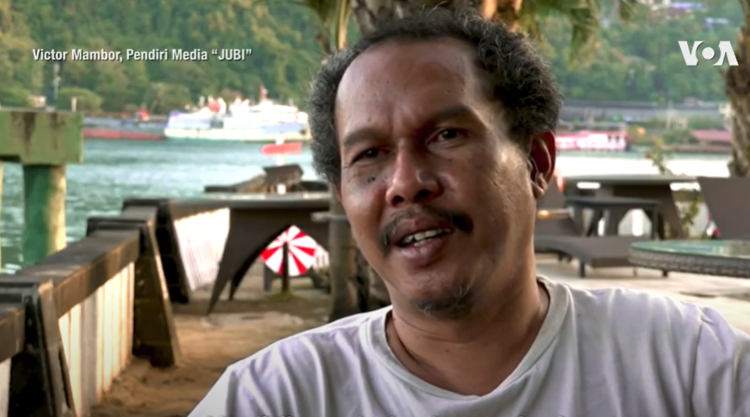
Journalist Victor Mambor’s home bombed in Papua, Indonesia
Bangkok, January 24, 2023 – Indonesian authorities must thoroughly and swiftly investigate the recent attack on Papuan journalist Victor Mambor’s home and hold those responsible to account, the Committee to Protect Journalists said Tuesday. At about 4 a.m. Monday, an improvised explosive device detonated outside of Mambor’s house in Jayapura, a city in the province…
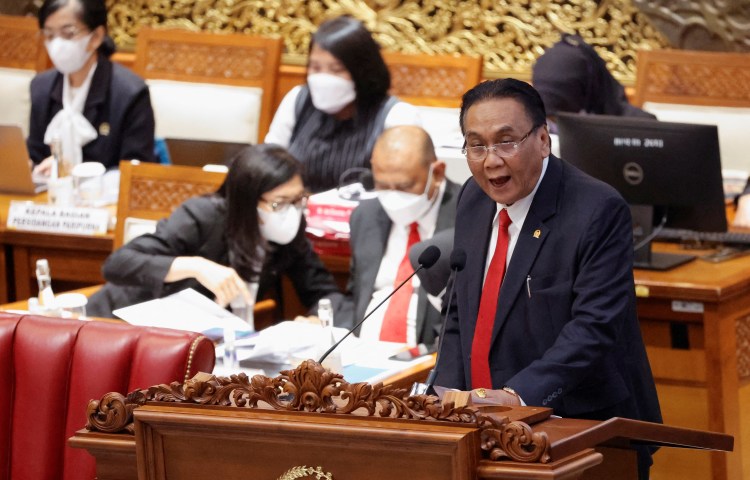
Indonesia adopts new criminal code that undermines press freedom
New York, December 6, 2022 – In response to news reports that Indonesian lawmakers passed a new criminal code with provisions that restrict press freedom, the Committee to Protect Journalists issued the following statement Tuesday calling for authorities to rescind the legislation: “President Joko Widodo and the Indonesian legislature must reverse course and revise the country’s new criminal…

CPJ strongly condemns cyberattack on Konde.co in Indonesia
Bangkok, November 1, 2022—Authorities in Indonesia must launch an independent investigation into a cyberattack on the Konde.co news website and identify the perpetrators, the Committee to Protect Journalists said Tuesday. On October 24, Konde.co was hit by a distributed denial-of-service (DDoS) attack that temporarily brought down the independent local news website, according to news reports and the…
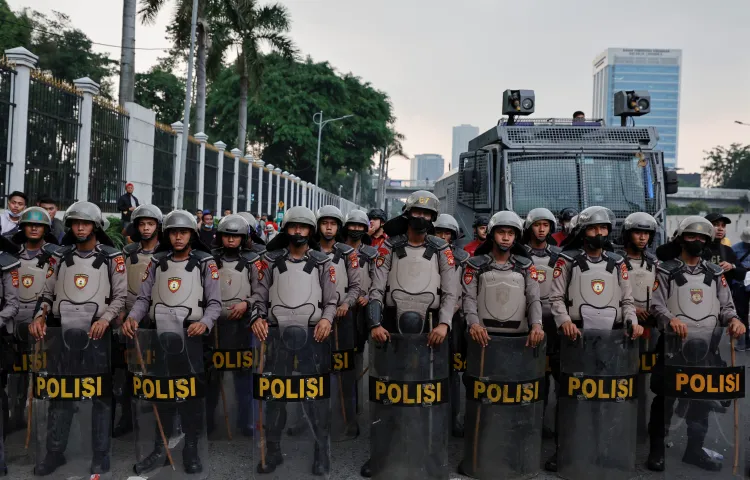
Indonesian journalists face wave of harassment and intimidation
Bangkok, July 21, 2022 – Indonesian authorities should investigate a series of incidents of harassment and intimidation against local journalists, identify and bring the relevant perpetrators to justice, and work to better protect media members and their ability to report without fear of reprisal or violence, the Committee to Protect Journalists said Thursday. “A recent…
Why the UN’s push for a cybercrime treaty could imperil journalists simply for using the internet
Cybercrime is on the global agenda as a United Nations committee appointed to develop a treaty on the topic plans for its first meeting amid pandemic-related delays. The process is slated to take at least two years, but experts warn that such a treaty – initially proposed by Russia – could hand new tools to…
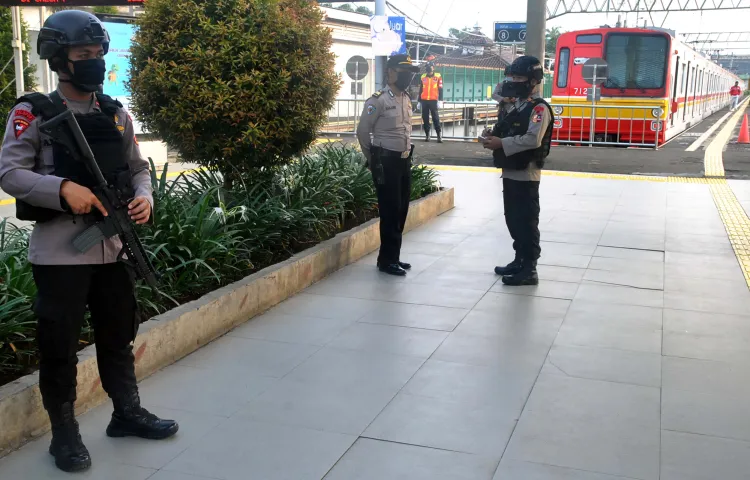
Indonesian journalist held since early May on criminal defamation charge
Bangkok, June 9, 2020 – Indonesian authorities should immediately release journalist Diantara Putra Sumedi and stop legal proceedings against him, the Committee to Protect Journalists said today. Police in Kotabaru, South Kalimantan province, have held Diantara in detention since May 4, in response to a criminal defamation complaint filed against him, according to news reports….
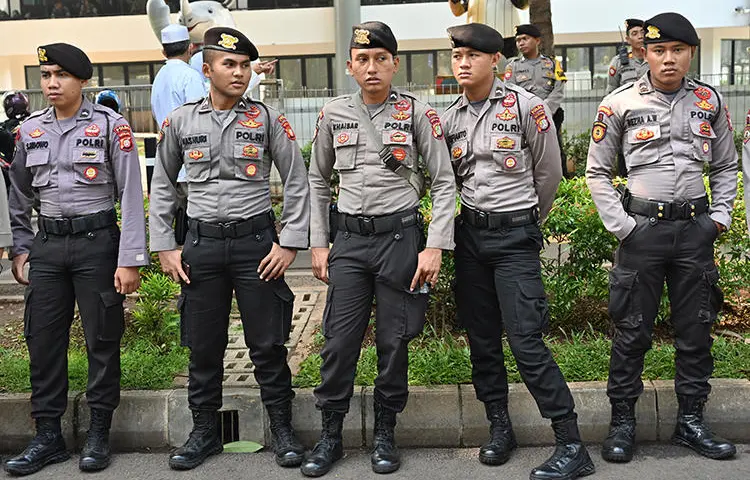
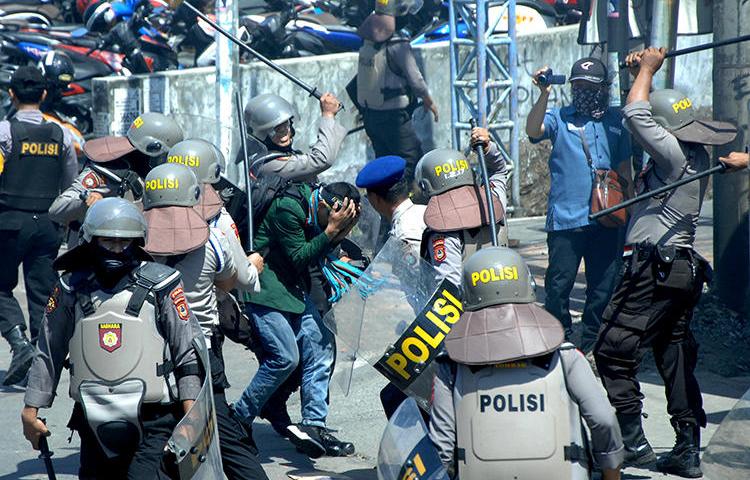
Police attack Indonesian journalists covering protest in South Sulawesi
Bangkok, September 25, 2019 — Indonesian authorities should carry out a thorough investigation into the police assaults of reporters covering protests in Makassar and hold those responsible to account, the Committee to Protect Journalists said today.
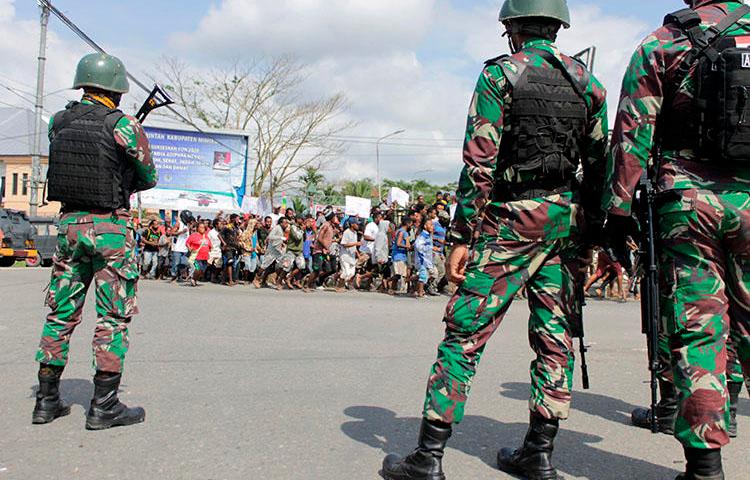
Indonesia should restore internet access in restive Papua region
Bangkok, August 22, 2019—Indonesian authorities should immediately restore internet access to the provinces of Papua and West Papua and refrain from imposing any restrictions on journalists covering civil unrest in the region, the Committee to Protect Journalists said today.
CPJ calls on Indonesia to investigate death of detained journalist
New York, June 26, 2018–Indonesian authorities must conduct a thorough investigation into the death of journalist Muhammad Yusuf and consider the possibility that he was killed in retribution for his reporting, the Committee to Protect Journalists said today.