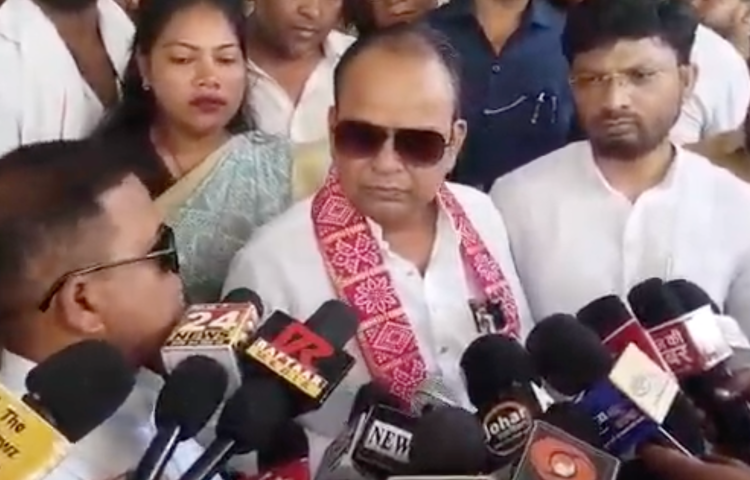
Indian journalists injured in mob attack after questioning Jharkhand minister
New Delhi, May 7, 2026—Indian authorities must swiftly investigate and hold responsible those behind an attack on two journalists who were beaten after asking critical questions to a minister in the eastern state of Jharkhand, the Committee to Protect Journalists said Thursday. On April 28, Ashish Kumar, a reporter for regional satellite news channel Raftaar…
Indian police invoke anti-terror law to unmask anonymous news handle TeluguScribe
New Delhi, April 29, 2026—Indian authorities in the southern state of Telangana must drop their investigation into social media news outlet TeluguScribe and stop the misuse of anti-terror legislation to silence criticism in the press, the Committee to Protect Journalists said Wednesday. On April 18, the Intelligence Department of the Telangana Police issued a formal…
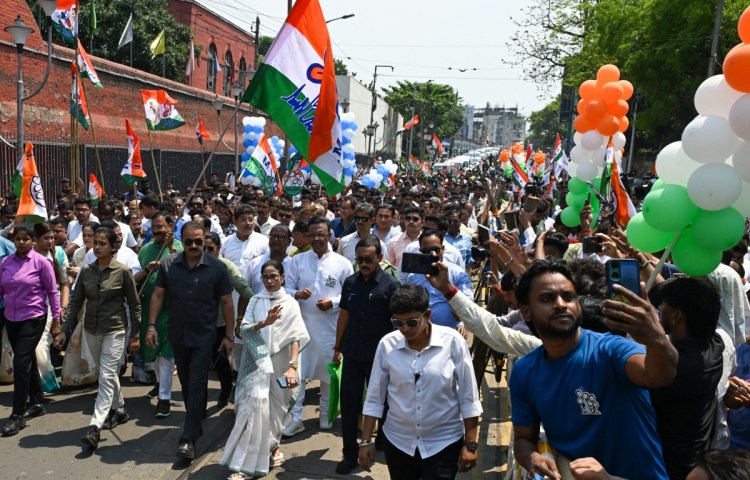
Surging violence haunts Indian journalists ahead of elections in politically polarized West Bengal
Indian journalists Soma Maity and Ranjit Mahato had been at the protest for a matter of minutes before they were attacked by a mob on January 16. Maity said she was grabbed and lifted by two men, who pulled her hair, restrained her legs, and tore at her clothes while others touched her body. She…
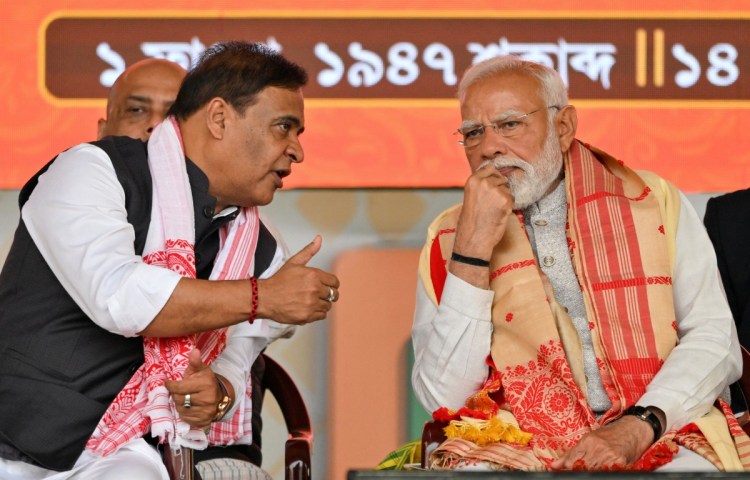
Office of Indian newspaper attacked after alleged threat by Assam chief minister
New Delhi, April 15, 2026—Indian authorities in the eastern state of Assam must conduct a swift and transparent investigation into the recent attack on the office of daily newspaper Asomiya Pratidin, and ensure that all journalists in the state can report without fear of retaliation, the Committee to Protect Journalists said Wednesday. Early on April…
Proposed Indian IT Rules grant government powers to censor independent journalists
New Delhi, April 14, 2026—The Indian government must immediately withdraw proposed amendments to the Information Technology (IT) Rules that would grant authorities sweeping powers to censor independent journalists, the Committee to Protect Journalists said Tuesday. The draft changes propose extending a regulatory code of ethics, previously applied only to large streaming platforms and broadcasters, to…
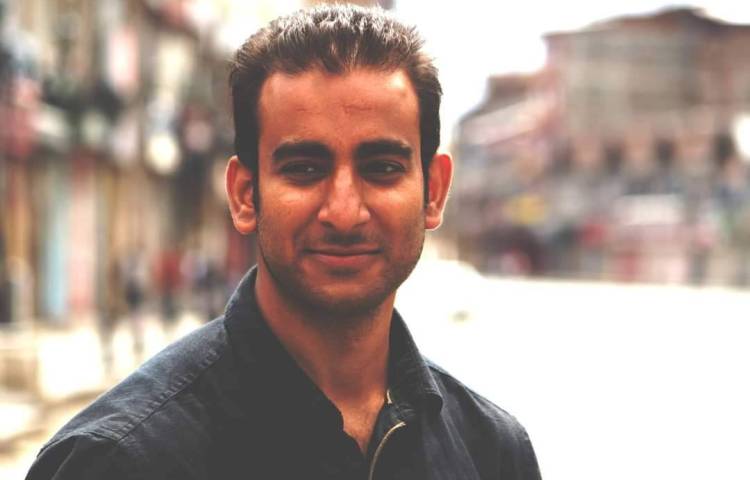
CPJ, partners call for release of Kashmiri journalist Irfan Mehraj after 3 years in detention
The Committee to Protect Journalists has joined 32 civil society organizations in a statement calling for the immediate and unconditional release of Kashmiri journalist Irfan Mehraj, who marked three years in arbitrary pre-trial detention on March 20. In the joint statement, the organizations said Mehraj’s detention reflects a pattern of persecution of journalists and human…
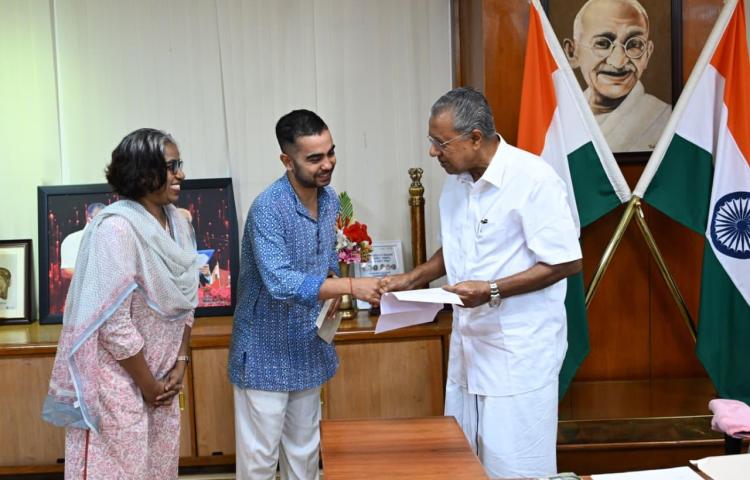
CPJ urges Indian political parties to protect press freedom ahead of key state elections
The Committee to Protect Journalists has written to major political parties preparing for elections in four Indian states and one territory, urging them to include strong commitments to protect press freedom and ensure journalists’ safety in their election manifestos. In separate letters, CPJ called on leading parties in the Indian states of Assam, Kerala, Tamil…
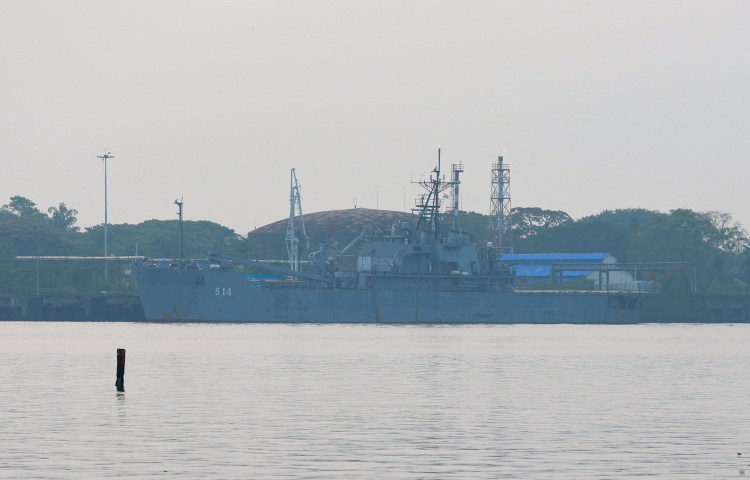
2 journalists detained for filming Iranian warship docked in India
March 9, 2026, New Delhi—Indian authorities must drop all pending charges against Republic TV journalists C.G. Shankar and S. Mani and stop using espionage laws to criminalize legitimate journalism, the Committee to Protect Journalists said Tuesday. Shankar, Mani, and a boat driver were detained on March 7 by officers from a paramilitary force after allegedly…
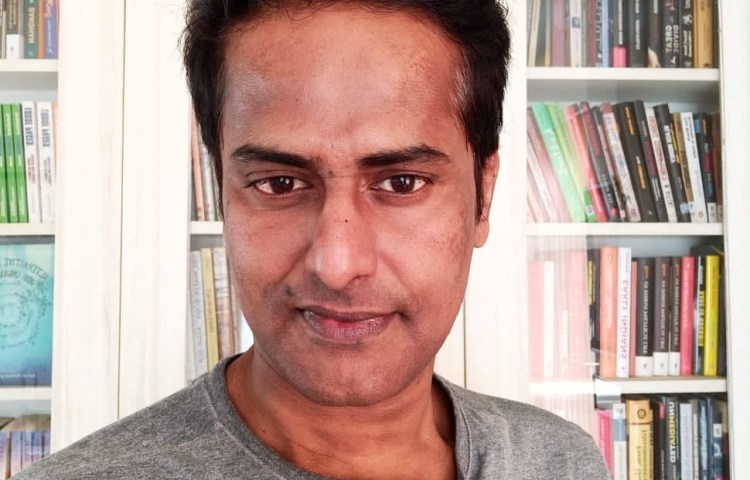
Indian journalist Ravi Nair sentenced to 1 year in Adani defamation case
New Delhi, February 11, 2026—The Committee to Protect Journalists is deeply concerned about the sentencing of investigative journalist Ravi Nair to one year’s imprisonment over social media posts critical of the Adani Group and calls on the Indian government to establish safeguards to protect journalists from being jailed for defamation. “The conviction of journalist Ravi…
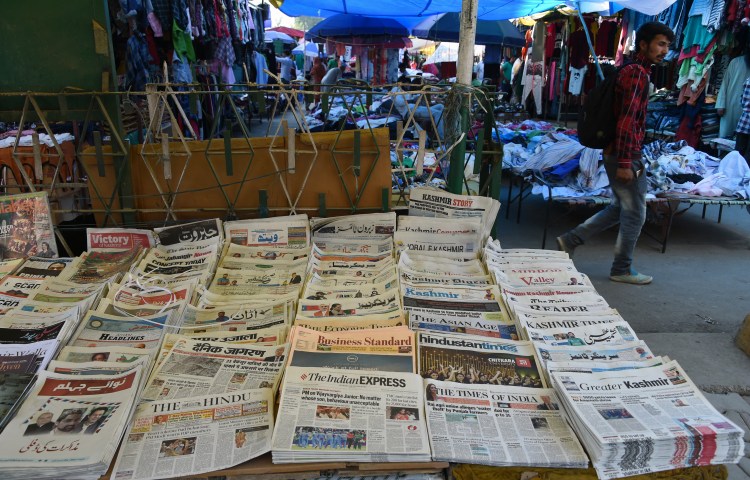
Indian police summon journalists in Kashmir over routine reporting
New Delhi, January 21, 2026—The Committee to Protect Journalists on Wednesday called for authorities in the Indian-administered territory of Jammu and Kashmir to immediately end the harassment and intimidation of journalists, after at least two Kashmir-based correspondents for national media outlets were summoned by police in connection with their reporting. “Using police powers to summon…