
CPJ calls on Mexico’s president not to disclose journalists’ personal information
Mexico City, February 23, 2022 – Mexican president Andrés Manuel López Obrador must refrain from publicizing the personal information of journalists and respect privacy laws in the most dangerous country for journalists in the Western Hemisphere, the Committee to Protect Journalists said Friday. On Thursday, López Obrador responded to a request for comment during his daily press…
Personal information of hundreds of Mexican journalists exposed in government data leak
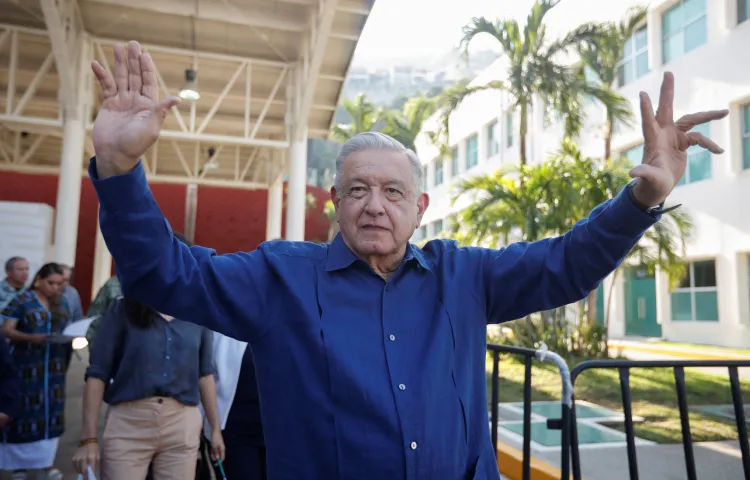
Mexico City, February 1, 2024— The personal information of at least 324 journalists who had registered with the office of the Mexican presidency to cover President Andrés Manuel López Obrador’s live weekday morning broadcasts was posted on a website, according to several news reports, prompting a call by the Committee to Protect Journalists for an…
In 10 days, 8 Mexican journalists abducted or shot at in 4 separate incidents
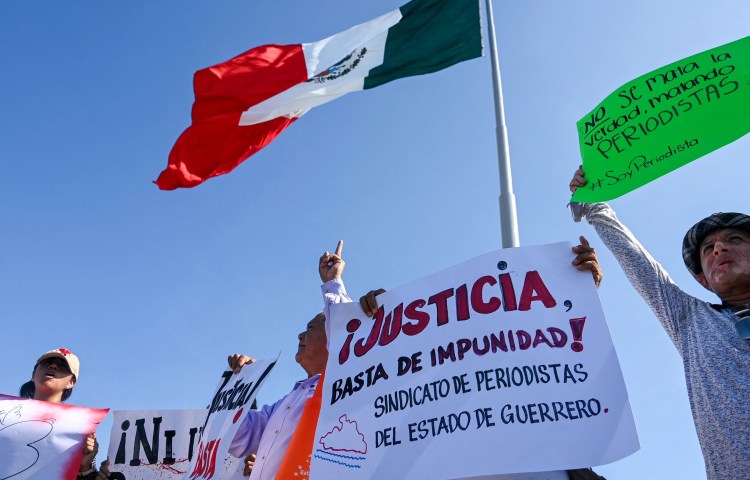
Mexico City, December 4, 2023 – The Committee to Protect Journalists is alarmed by a spate of violent abductions and attacks on eight journalists in Mexico and calls on authorities to immediately, credibly, and transparently investigate whether the attacks were related to the reporters’ work and bring the culprits to justice. On November 22, Silvia…
Faces of impunity across the world
CPJ’s 2023 Global Impunity Index lists the top 12 countries where the murderers of journalists go free. But impunity knows no borders. The mosaic below shows the faces of slain journalists around the world. Beneath each journalist’s photo is the location of their death. Click the images for more details about these unsolved cases. (Photo grid by Geoff McGhee)
Haiti joins list of countries where killers of journalists most likely to go unpunished
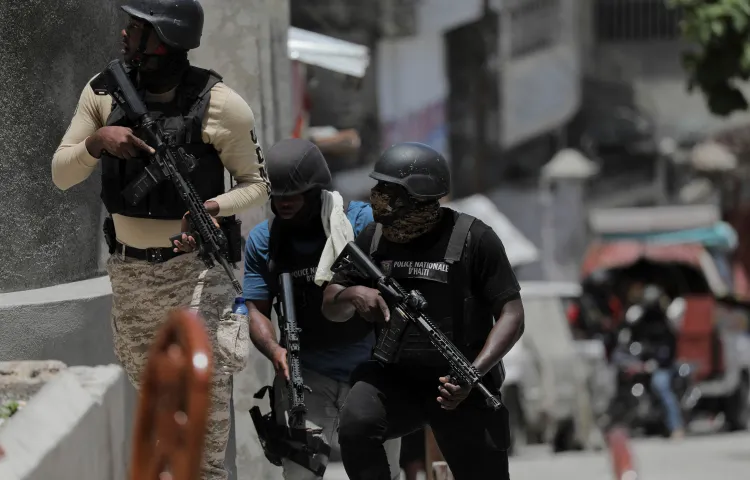
By Arlene Getz/CPJ Editorial Director The persistent lack of justice for murdered reporters is a major threat to press freedom. Ten years after the United Nations declared an international day to end impunity for crimes against journalists – and more than 30 years after CPJ began documenting these killings – almost 80% of their killings…
Journalist Jesús Gutiérrez shot dead in Mexican city near US border
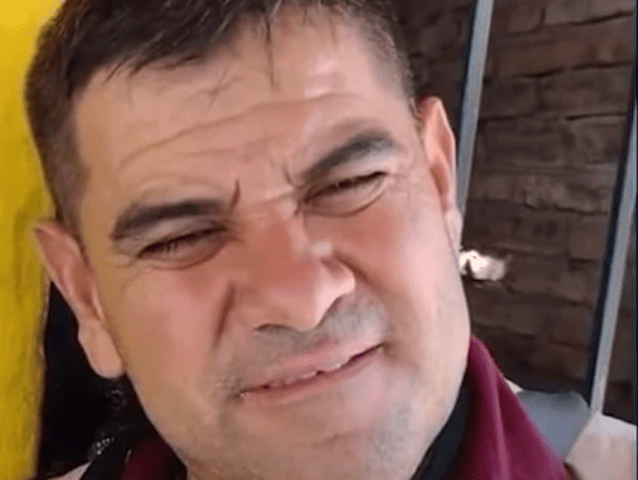
Mexico City, October 6, 2023—Mexican authorities must credibly and transparently investigate the killing of journalist Jesús Gutiérrez Vergara who was shot dead in a city near the U.S. border, the Committee to Protect Journalists said Friday. Gutiérrez, the founder and editor of Notiface, a Facebook-based news website, was talking with four off-duty policemen in the…
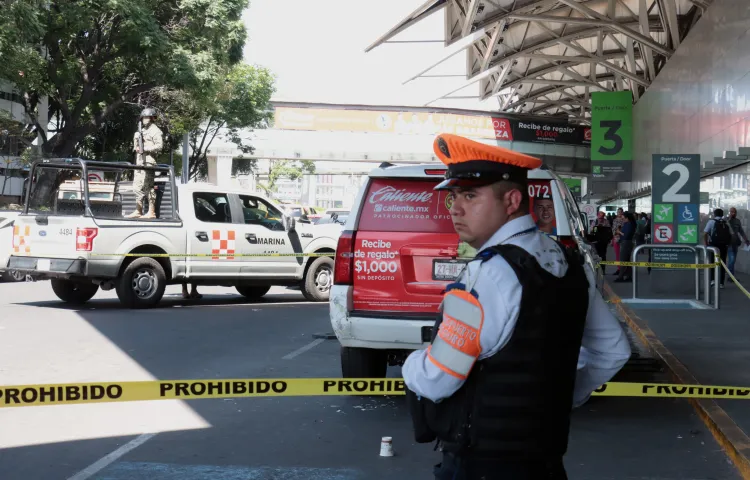
CPJ welcomes 27.5-year sentence for murder of Mexican reporter Israel Vázquez
Mexico City, September 18, 2023—The Committee to Protect Journalists on Monday welcomed the 27-and-a-half-year sentence issued for the 2020 murder of Mexican reporter Israel Vázquez Rangel and urged authorities to redouble their efforts to protect journalists and prosecute their attackers. On Thursday, September 14, a federal judge in the central Mexican state of Guanajuato sentenced…
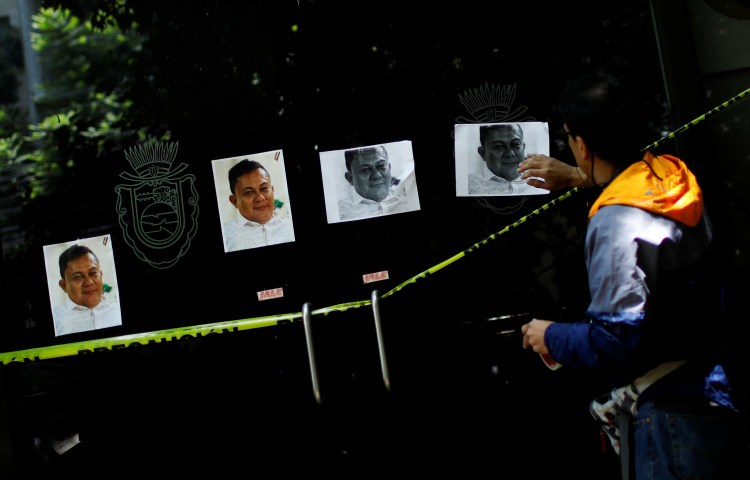
Mexican journalist Nelson Matus Peña killed in Acapulco
Mexico City, July 20, 2023—Mexican authorities must investigate the killing of journalist Nelson Matus Peña, determine whether he was targeted for his work, and bring his killers to justice, the Committee to Protect Journalists said Thursday. On July 15, several unidentified attackers shot and killed Matus, founder and editor of Lo Real de Guerrero, in…
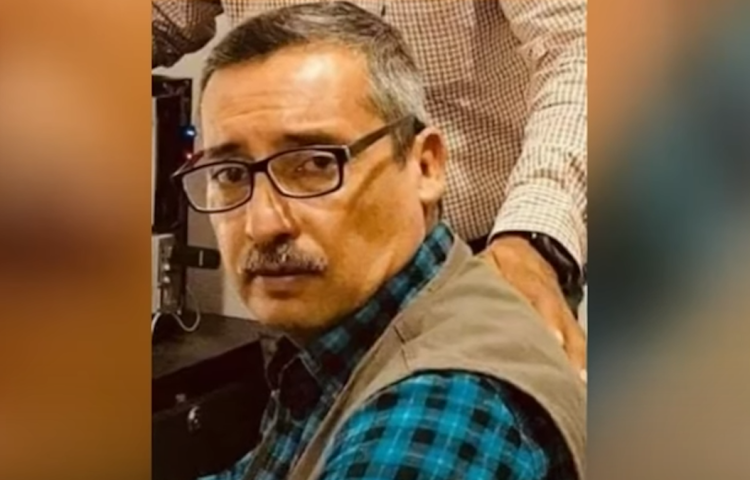
Mexican journalist Luis Martín Sánchez Iñíguez killed in Nayarit
Mexico City, July 13, 2023—Mexican authorities must immediately, transparently, and credibly investigate the killing of journalist Luis Martín Sánchez Iñíguez and determine whether he was killed because of his work, the Committee to Protect Journalists said Thursday. Sánchez, the correspondent in the northern Mexican state of Nayarit for the Mexico City-based national newspaper La Jornada,…
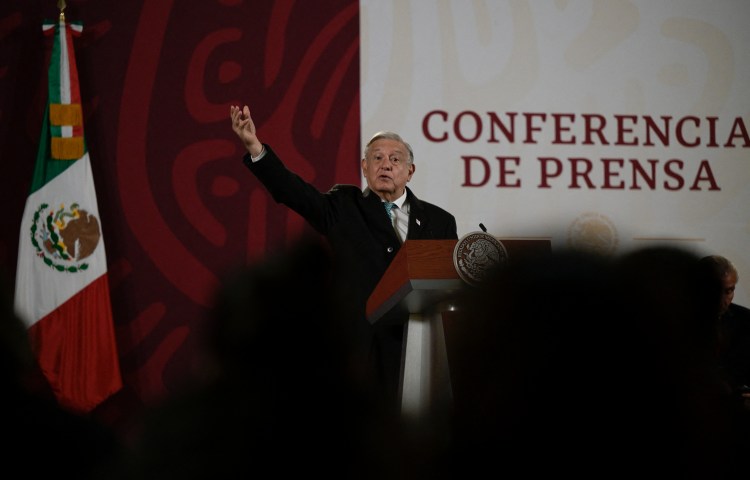
Mexican President López Obrador repeatedly criticizes news outlets and press freedom group over spyware coverage
Mexico City, May 11, 2023—Mexican President Andrés Manuel López Obrador must stop making baseless criticisms of local news outlets and the international free expression organization Article 19, the Committee to Protect Journalists said Thursday. Since March, López Obrador has sharply criticized Article 19, national investigative magazine Proceso, privately owned online news outlets Animal Político and…