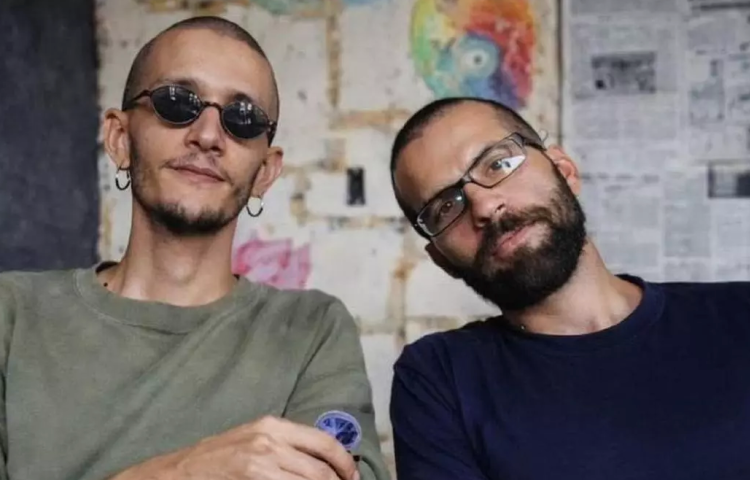
CPJ: Cuba’s detention of content producers stifles access to information
Miami, February 10, 2026 — The Committee to Protect Journalists condemns the detention of two content producers with El 4tico, a social media outlet in eastern Cuba, and calls on authorities to immediately release them and allow the free flow of information on the island. Ernesto Ricardo Medina and Kamil Zayas Pérez were detained by…
Cuban journalist handed 6-year prison sentence for protesting
Miami, January 27, 2026—The Committee to Protect Journalists condemns the sentencing of Cuban journalist José Gabriel Barrenechea to six years in prison on January 15 after he was found guilty of protesting and calls on Cuban authorities to free him, and allow the free flow of information in the country. The Provincial Court of Villa…
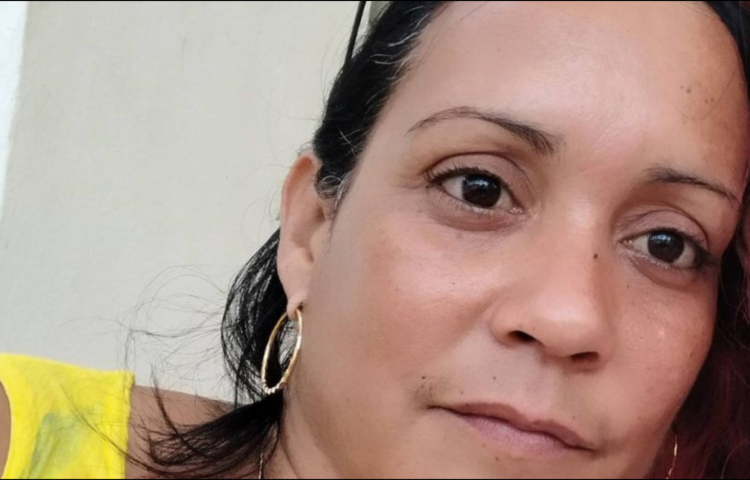
Cuban journalist targeted with threats, intimidation after refusing police summons
Miami, June 26, 2025—Cuban authorities must end their intimidation of two community-media journalists, Amanecer Habanero director Yunia Figueredo and her husband, reporter Frank Correa, the Committee to Protect Journalists said Thursday. Figueredo refused to comply with a June 23 police summons, reviewed by CPJ. On that same day she received three private number phone calls warning her that a police investigation…

2 freelance journalists arrested amid Cuba’s ongoing repression of independent press
Miami, April 17, 2025– CPJ is alarmed by the arrest and prolonged pre-trail detention of Cuban freelance reporters Yadiel Hernández and José Gabriel Barrenechea, who both write for the online newspaper 14ymedio, and calls on Cuban authorities to release them immediately. “The Cuban government continues to engage in a campaign of harassment and intimidation against the country’s…
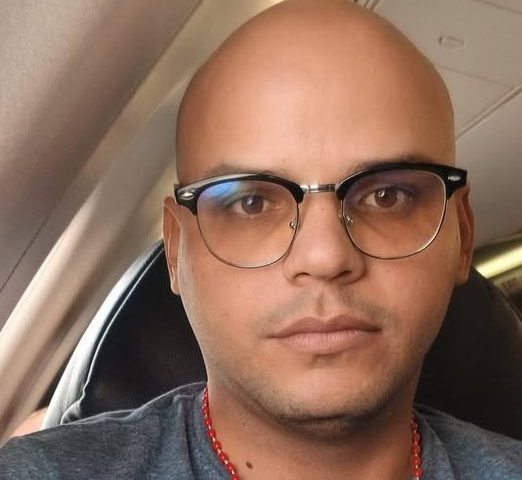
José Luis Tan Estrada: I fled Cuba’s media repression so I could remain a journalist
Cuban journalist José Luis Tan Estrada boarded a plane in Havana last December because he thought exile was the only way to continue his career and protect his family. It was his first time on an airplane. Tan Estrada, 28, had faced escalating repression by Cuban authorities for months. After he was fired from teaching…

Several journalists flee Cuba after state agents question, pressure at least 8
CPJ is alarmed by reports that since mid-September, Cuban state security agents questioned at least eight journalists and media workers from non-state media outlets, many in connection to alleged crimes against the state, leading several to flee the country. “The Cuban government appears to be engaged in a campaign of harassment and intimidation against the…

Journalist Yeris Curbelo Aguilera sentenced to 2 years in prison in Cuba
Miami, October 3, 2024—Cuban authorities should re-examine the case of journalist Yeris Curbelo Aguilera, who was sentenced to two years in prison on September 24, and consider dropping all charges against him, said the Committee to Protect Journalists on Tuesday. “The Cuban government continues to be nothing short of draconian in its efforts to squash independent…
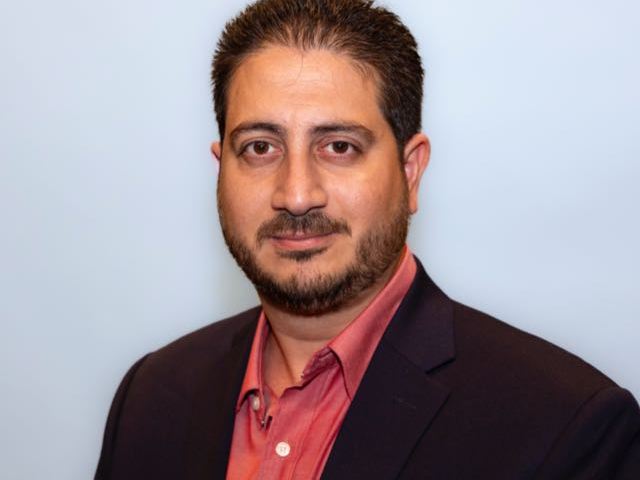
CPJ calls on US to investigate threats against exiled Cuban journalist
Miami, July 12, 2024—Miami-based Cuban journalist José Jasán Nieves Cárdenas, told the Committee to Protect Journalists that he received a threatening text message on June 21 from an unknown number with an Ecuadorian country code, which said, “we know exactly where to find you” and included a photo and video of a car driving past…
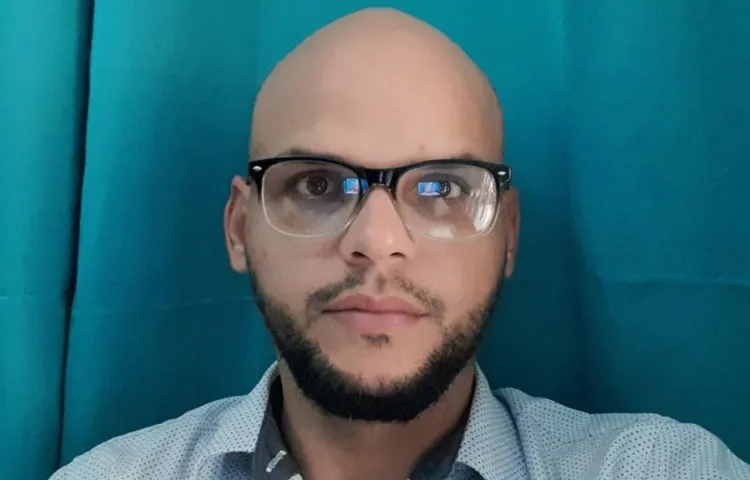
Cuban police detain, threaten journalist José Luis Tan Estrada ahead of July 11 anniversary
Miami, July 9, 2024—The Committee to Protect Journalists calls on Cuban authorities to allow the media to report freely on July 11 demonstrations, following threats made against independent journalist José Luis Tan Estrada to deter him from covering the anniversary of the massive 2021 protests. Tan Estrada said on Facebook that he was in a…
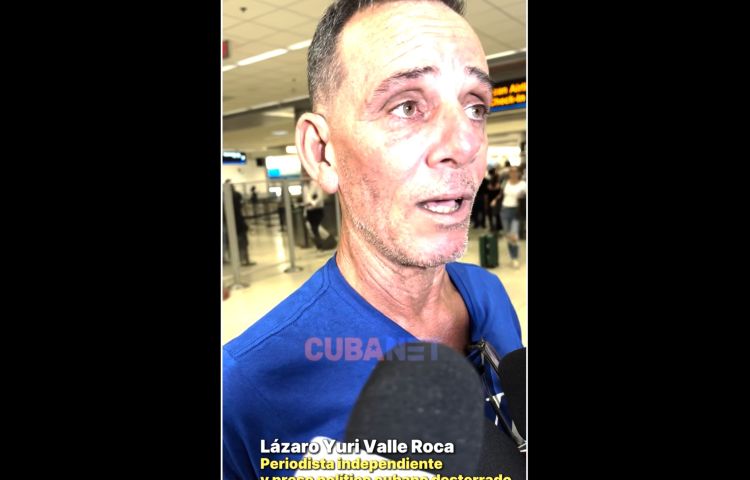
Cuban journalist Lázaro Yuri Valle Roca released, forced into exile
Miami, June 6, 2024—The Committee to Protect Journalists welcomes the release of Cuban journalist Lázaro Yuri Valle Roca, but is deeply concerned he was forced into exile, and calls on Cuban authorities to allow reporters to work freely in the country without fear of reprisal. Valle left Cuba for the United States on Wednesday, June…