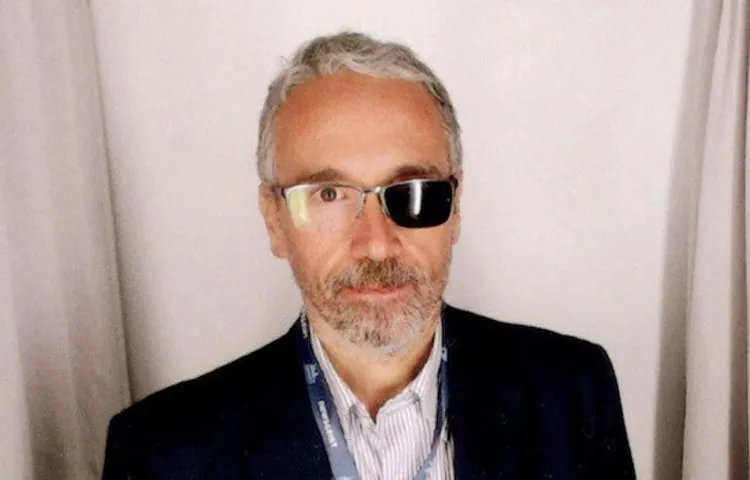
Argentine journalist gets death threats after reporting on illegal medication sales
São Paulo, April 12, 2024—Argentine authorities must thoroughly investigate the death threats received by journalist Julio Ernesto López on his father’s cell phone, the Committee to Protect Journalists said on Friday. According to an April 5 post on X, formerly Twitter, by the Association of Argentine Press Companies (ADEPA), a professional association, and a complaint…
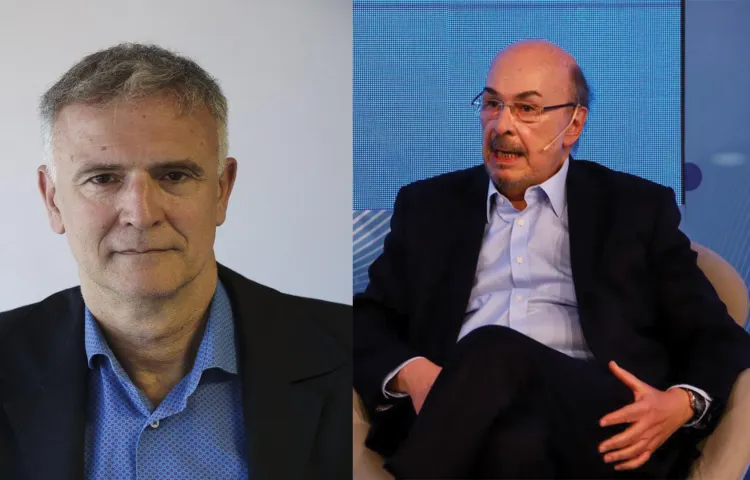
Argentine intelligence agency sues journalists, newspapers over naming agents
Bogotá, January 23, 2023—Argentine authorities should drop the lawsuit filed against journalists Joaquín Morales Solá and Daniel Santoro and their newspapers, and refrain from prosecuting members of the press in retaliation for their work, the Committee to Protect Journalists said Monday. On January 4, Argentina’s Federal Intelligence Agency, known as the AFI, filed a criminal…
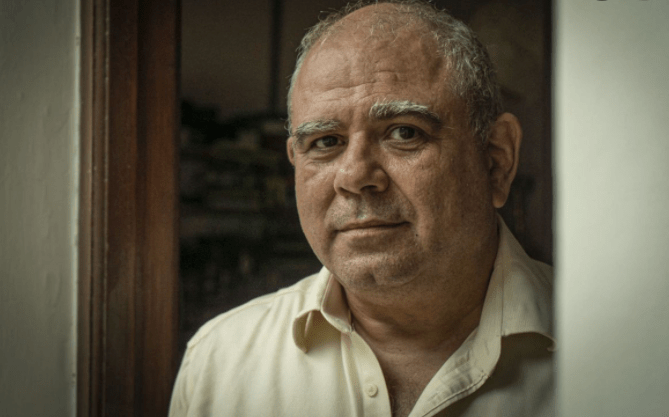
Argentine court orders journalist Santiago O’Donnell to turn over interviews of former president’s brother
Miami, January 6, 2022 – Argentine authorities should drop their order for journalist Santiago O’Donnell to surrender his interview recordings, the Committee to Protect Journalists said today. O’Donnell, who wrote a 2020 book based on interviews with Mariano Macri, the brother of former President Mauricio Macri, has faced a court order since early 2021 to…
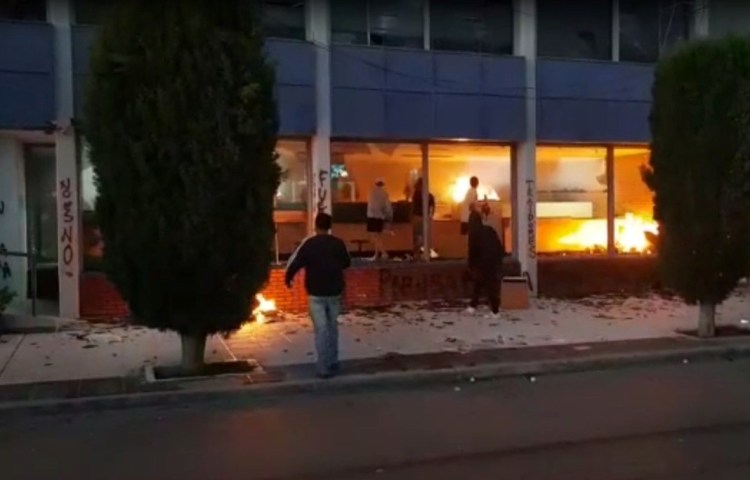
Argentine newspaper El Chubut offices torched, ransacked amid protests
Miami, December 23, 2021 — Argentine authorities should immediately investigate the recent attack on the headquarters of the El Chubut newspaper and hold those responsible to account, the Committee to Protect Journalists said today. At around 8:40 p.m. on December 20, a group of unidentified people gathered at the newspaper’s headquarters in the city of Trelew,…
Clarín media group offices firebombed in Argentina
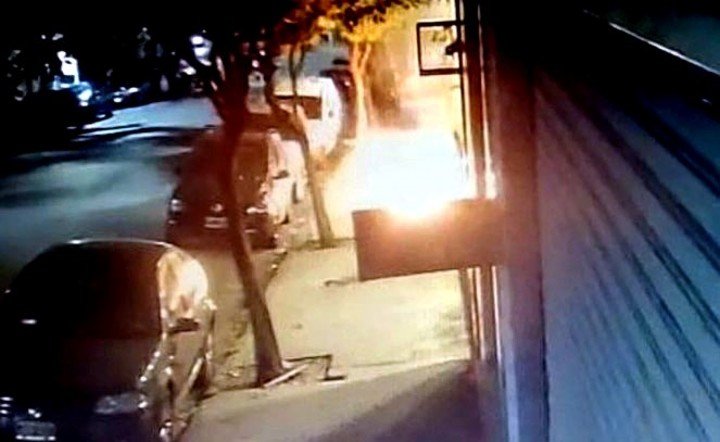
Miami, November 30, 2021 — Argentine authorities must thoroughly investigate the recent attack on the Clarín media group headquarters and bring all those responsible to justice, the Committee to Protect Journalists said today. At about 11 p.m. on November 22, a group of assailants threw several explosives into the Buenos Aires headquarters of the Clarín…
Argentine court charges journalist Daniel Santoro with attempted extortion
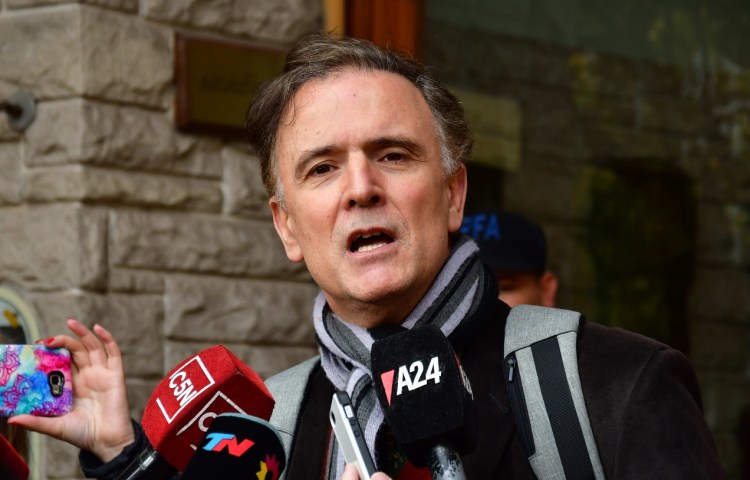
Miami, April 22, 2021 — The Committee to Protect Journalists today called on Argentine authorities to drop the latest criminal charge against investigative journalist Daniel Santoro, who has been subject to repeated legal harassment for at least two years. On April 19, Judge Luis Rodríguez from the Ninth Federal Criminal and Correctional Court charged Santoro,…

Argentine newspaper office ransacked, journalist threatened following reporting on sexual assault
Miami, March 24, 2021 — Argentine authorities should immediately investigate the attack on the Río Negro daily newspaper and its staff, and threats to its journalist Luis Leiva, and bring those responsible to justice, the Committee to Protect Journalists said today. Yesterday at about noon, a group of approximately 100 people entered Río Negro’s offices in…
Journalists in Argentina’s Formosa province detained, harassed, and blocked from reporting
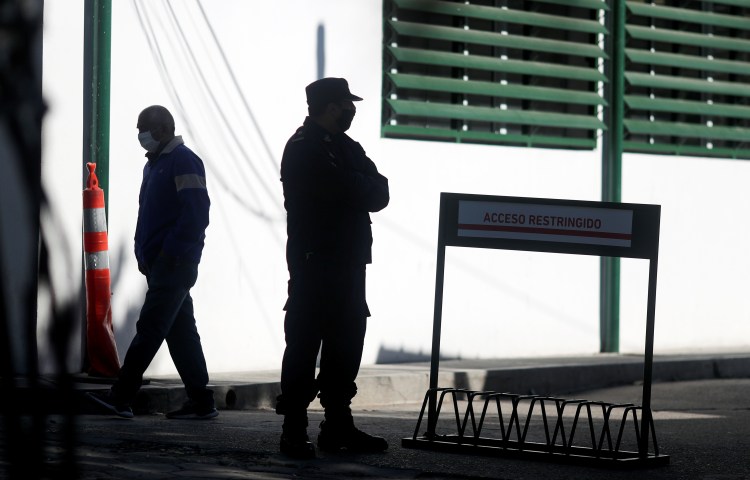
Since April 2020, authorities in Argentina’s northeastern Formosa province have harassed journalists covering the regional government’s response to the COVID-19 pandemic, including through intimidation, brief detentions, and smear campaigns, according to journalists who spoke to CPJ, a statement by the Forum of Argentinian Journalism (FOPEA), a local free expression organization, and news reports. On April…
Argentine municipal government files criminal complaint over journalist’s COVID-19 vaccine reporting
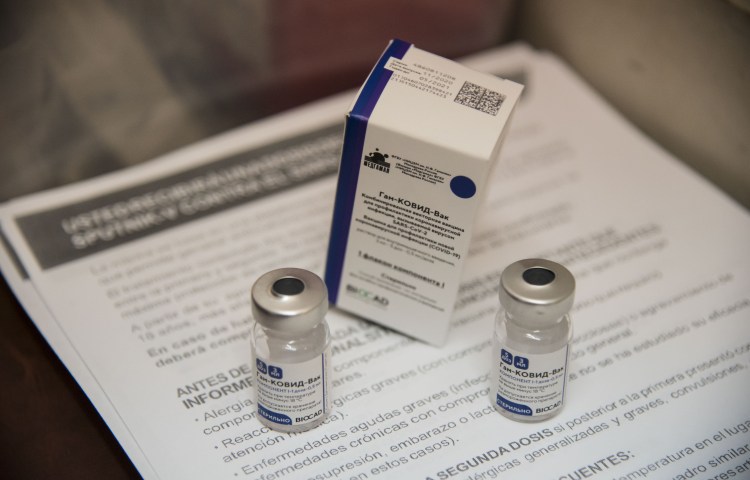
Miami, January 20, 2021— Argentine authorities should drop their criminal complaint against journalist Roberto Carrigall and allow him to work freely, the Committee to Protect Journalists said today. On January 13, the municipality of Quilmes, a city in Buenos Aires province, filed a criminal complaint to a federal court over Carrigall’s reporting on the municipal government’s…
Argentine court charges journalist Daniel Santoro with illicit association, espionage
New York, October 21, 2020 — The Committee to Protect Journalists today called on Argentine authorities to drop criminal charges against journalist Daniel Santoro and ensure criminal investigations do not threaten journalists’ ability to work. In a decision released this morning, Judge Alejo Ramos Padilla of the Federal Court of Dolores, in Buenos Aires province,…